Radiant Barrier Installation in Delaware
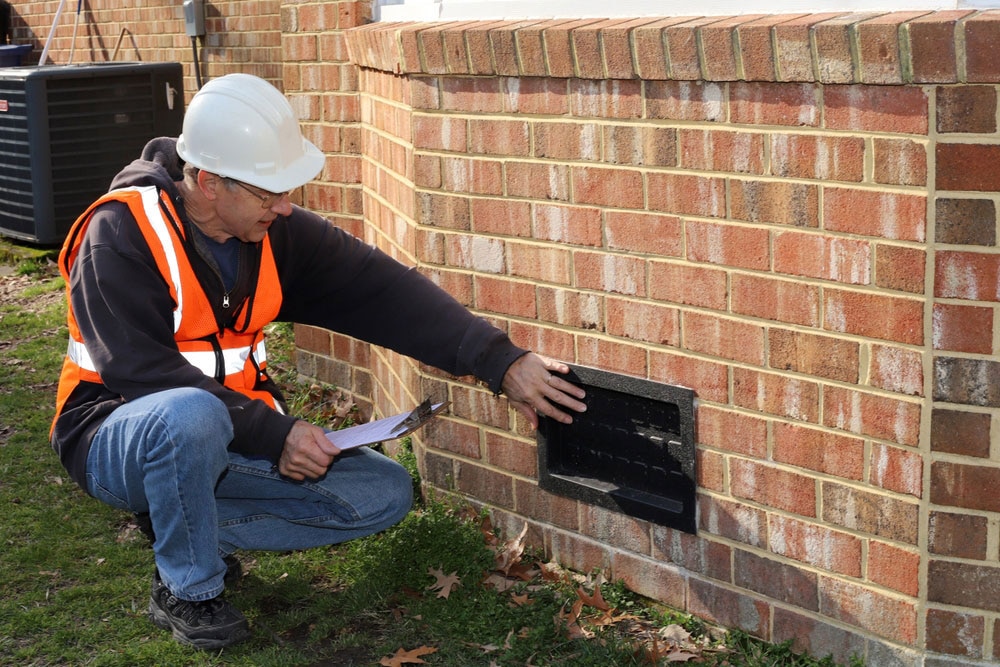
Radiant barrier installation is about more than putting reflective material inside an attic. The material has to be installed in the right location, maintain the air space it needs to work, and fit around everything already occupying the attic. Rafters, trusses, ducts, vents, wiring, roof transitions, and mechanical equipment can all affect how the job is completed.
Crawl Space Ninja provides radiant barrier installation across Delaware, including Wilmington, Newark, Dover, Rehoboth Beach, and surrounding communities. Technicians evaluate the attic, determine how radiant barrier can be incorporated into the existing roof structure, and install the material to reduce radiant heat transfer from a sun-heated roof toward the attic below.
Radiant Barrier Installation Starts With the Existing Attic
Before radiant barrier material goes up, technicians need to know what they’re working around. Attics that appear similar from outside can be completely different once the access hatch is opened.
The evaluation includes the roof framing, available working space, ventilation, existing insulation, ductwork, wiring, and mechanical components. Additions and changes to the roofline can also divide an attic into areas that require different installation approaches.
That’s particularly relevant across Wilmington’s established neighborhoods. Homes around Forty Acres, Trolley Square, and Delaware Avenue can have different roof configurations, attic access points, and amounts of usable space. Rather than approaching those homes with a standard layout, technicians can fit the radiant barrier to the attic that’s actually above the ceiling.

Installing Radiant Barrier Along the Roof Structure
The primary service is installing reflective material where it can reduce radiant heat transfer from the roof assembly. That requires more precision than simply covering as much of the attic as possible.
Radiant barrier needs an adjacent air space for its reflective surface to function properly. Technicians also have to maintain appropriate clearance around attic components and avoid unnecessarily interfering with ventilation or access.
Installation can include:
- Roofline coverage: Radiant barrier is fitted along the appropriate portions of the roof structure.
- Rafter and truss fitting: Material is worked around the framing rather than loosely draped through the attic.
- Air-space maintenance: The reflective surface is positioned so it can perform its intended function.
- Roof-transition detailing: Changes in pitch, additions, and intersecting roof sections are addressed individually.
- Ventilation awareness: Existing attic airflow isn’t simply covered in the pursuit of additional square footage.
- Equipment clearance: Ductwork, wiring, mechanical equipment, and other components remain accessible.
The result should be a radiant barrier system that looks intentional. Coverage matters, but useful coverage matters more.
Radiant Barrier Works Alongside Existing Attic Insulation
Installing radiant barrier doesn’t mean removing the insulation that’s already doing an important job in the attic. The two materials address different forms of heat transfer and can work as separate parts of the attic system.
Conventional insulation primarily resists conductive heat flow. Radiant barrier reduces radiant energy traveling from the heated roof toward cooler attic surfaces. Crawl Space Ninja can install the reflective material while accounting for the insulation already present rather than treating one product as a replacement for the other.
That distinction also keeps the service focused. If an attic has an insulation problem, radiant barrier doesn’t magically correct it. The installation is intended to add radiant-heat control at the roofline while allowing the other components of the attic to continue performing their own jobs.
Fitting Radiant Barrier Around Real Attics
Attics rarely provide a completely open workspace. HVAC ducts may snake beneath the rafters, wiring can cross framing members, and vents or equipment may occupy exactly the area where material needs to be fitted.
Technicians work around those obstacles instead of indiscriminately covering them. Some of the detail work may involve:
- HVAC ducts: Material is fitted without turning ductwork into an inaccessible obstacle.
- Electrical components: Wiring and other electrical features need to remain identifiable and accessible.
- Attic ventilation: Intake and exhaust paths aren’t treated as empty spaces that can simply be covered.
- Mechanical equipment: Equipment located overhead still needs room for inspection and service.
- Attic access: The completed installation shouldn’t make routine entry unnecessarily difficult.
These details become particularly important in Newark, where homes around Main Street, New London Road, and established surrounding neighborhoods can reflect decades of additions and mechanical upgrades. The installation has to adapt when an older section of roof meets an addition or when newer HVAC components occupy part of the attic.
Radiant Barrier Installation for Larger Delaware Attics
A different installation challenge can appear farther south. Around Dover, homes near Silver Lake and residential areas extending toward the Route 13 corridor may offer larger roof areas and more attic space than some compact Wilmington properties.
More space doesn’t necessarily make installation simple. Long roof runs require consistent coverage, while changes in roof pitch, attic ductwork, and intersecting framing can break a seemingly large open attic into smaller working sections.
Crawl Space Ninja technicians can work through those sections while maintaining the purpose of the installation across the roofline. Instead of judging the job only by how much reflective material is installed, the focus stays on where that material is positioned and how well it addresses radiant heat coming through the roof assembly.
Radiant Barrier Installation for Rehoboth Beach Homes
Rehoboth Beach adds another range of property layouts to Delaware service. Homes around Rehoboth Avenue and Silver Lake can sit on relatively compact properties, while development toward Route 1 includes a wider variety of house and roof configurations.
Rooflines can also be interrupted by dormers, additions, ventilation components, and other architectural features. These are exactly the areas where careful fitting becomes important because radiant barrier material needs to follow the usable roof structure rather than bridge across everything in its path.
Coastal location doesn’t change the basic service. Crawl Space Ninja still evaluates the attic, works with the existing framing, installs the reflective material with the necessary air space, and accounts for insulation, ventilation, ducts, and other components already overhead.
Radiant Barrier Installation Throughout Delaware
Crawl Space Ninja provides radiant barrier installation across Delaware, including Wilmington, Newark, Dover, Rehoboth Beach, and surrounding communities. The service includes evaluating the attic, planning coverage around the existing roof structure, installing reflective material with appropriate air space, and fitting the system around insulation, ventilation, ductwork, wiring, and mechanical components.
A compact attic around Wilmington’s Forty Acres may require careful work around limited access and established framing. A Newark home near New London Road may have additions or mechanical upgrades to accommodate. Dover can present larger roof areas and different attic layouts, while Rehoboth Beach properties around Rehoboth Avenue and toward Route 1 introduce another mix of roof configurations.
Those differences change how the work is performed, but not what Crawl Space Ninja is there to accomplish. Radiant barrier installation adds a reflective layer at the roof assembly designed to reduce radiant heat transfer into the attic while working with the systems already in place. If you’re considering radiant barrier for your Delaware home, contact Crawl Space Ninja online to schedule an attic evaluation and learn more about professional radiant barrier installation.


Why Choose Our Services?
Crawl Space Ninja Eliminates the Guesswork.

Every decision we make on your job starts with one question: what's actually best for your home and your family.

We stand behind every job with our lifetime warranty, because giving you lasting protection and confidence in your investment.

Our technicians are trained and certified on the system we built and refined ourselves, not a one-size-fits-all fix.

From your first call to the final walkthrough, you’ll stay updated through every step of the process.

Consult, customize, commence. Every job starts with a plan built for your home, not a generic fix.

You'll know the full cost before work begins. No hidden fees, no surprises.