Crawl Space Ventilation in Delaware
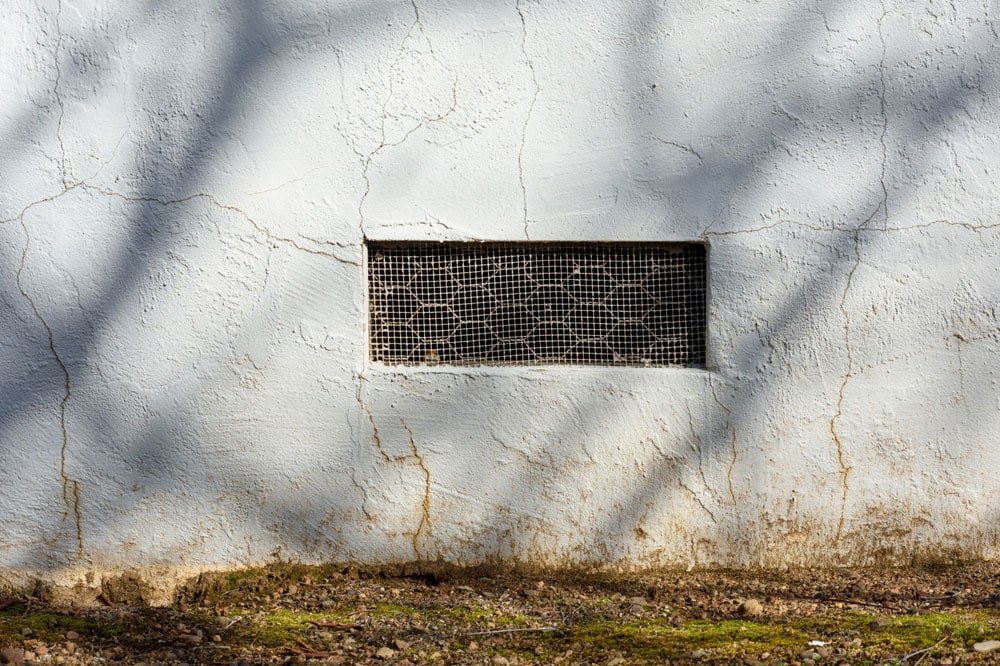
Walk around a house and the foundation vents may look perfectly normal. The grilles are open, leaves have been cleared away, and nothing seems blocked from the outside. Still, when the crawl space door opens, the air underneath may feel surprisingly still or carry the musty smell the homeowner was hoping those vents would prevent.
Crawl Space Ninja provides crawl space services across Delaware, including Dover, Newark, Rehoboth Beach, Wilmington, and surrounding communities. When ventilation is part of the crawl space solution, technicians can evaluate the existing foundation vents, layout beneath the home, moisture conditions, and other equipment already in place. The question isn’t simply how many vents a house has. It’s what those openings are actually accomplishing underneath the floor.
Open Foundation Vents Don’t Guarantee Good Air Movement
Foundation vents are easy to inspect from the yard. What they don’t reveal is whether air is moving through deeper sections of the crawl space or getting around the framing, ductwork, plumbing, and interior supports found underneath the home.
That distinction can be especially noticeable in Wilmington, where neighborhoods such as Forty Acres and the Delaware Avenue corridor include rowhouses, semi-detached homes, and detached residences from different periods. The space beneath an established home near Trolley Square may be divided or obstructed in ways that aren’t obvious while looking at foundation vents from the sidewalk or side yard.
Technicians need to see the ventilation setup from underneath. A vent that looks completely unobstructed outside can still be serving only a small portion of the crawl space if interior conditions prevent useful air movement farther inside.

Crawl Space Ventilation Starts Under the House
A ventilation evaluation allows technicians to follow the foundation perimeter, inspect existing openings, look beyond interior supports, and identify areas where airflow may be limited. This also provides an opportunity to see whether the crawl space already contains equipment or moisture-control materials that need to be considered.
The evaluation can include:
- Existing foundation vents: Their locations and condition help establish how the space is currently ventilated.
- Crawl space layout: Interior supports, additions, piers, and framing can affect air movement.
- Physical obstructions: Ductwork, plumbing, insulation, debris, and previous work may interrupt airflow.
- Moisture conditions: Damp wood or elevated humidity concerns can indicate that ventilation isn’t the only issue.
- Existing equipment: Dehumidifiers, vapor barriers, and other components affect how the crawl space should be managed.
- Air movement: Technicians can evaluate whether the existing arrangement provides useful ventilation throughout the space.
In established Newark neighborhoods off New London Road, homes may have undergone additions, utility changes, or other improvements over the years. Once underneath the floor, technicians may encounter duct runs, plumbing, framing changes, or interior supports that influence how air moves from one section to another. That’s information a row of exterior vent covers simply can’t provide.
Existing Foundation Vents May Need a Different Approach
Homeowners sometimes assume that adding more vents will improve a damp or stagnant crawl space. In practice, the existing openings may need to be managed differently rather than multiplied.
Some crawl spaces may benefit from a different ventilation approach, while others have moisture conditions that call for broader humidity control. Technicians can look at where existing vents are positioned, which portions of the crawl space they serve, and whether outside air entering through those openings is actually helping the conditions underneath the home.
From older residential streets around Dover’s Silver Lake to homes spreading outward from the Route 13 corridor, crawl-space footprints and vent arrangements can vary considerably. One home may have vents spaced around an open foundation perimeter, while another may contain interior divisions or equipment that changes the way air can travel underneath the floor.
This is why professional ventilation service isn’t simply a vent-counting exercise. Existing openings are considered as part of the crawl space as a whole, allowing technicians to determine whether passive ventilation is useful or whether another approach should be considered.
Mechanical Ventilation Creates Controlled Air Movement
Passive vents depend on outdoor conditions to move air. When mechanical ventilation is appropriate, a vent fan can provide an active exhaust point rather than waiting for wind and temperature differences to create movement naturally.
Placement matters because a fan installed in the easiest available opening isn’t necessarily serving the deeper portions of the crawl space. The exhaust location should make sense with the crawl space layout and any other moisture-control components already installed.
Mechanical ventilation service can involve:
- Vent evaluation: Existing openings are considered before adding mechanical exhaust.
- Exhaust placement: Fan location can be selected according to the crawl space layout.
- Airflow planning: Mechanical exhaust can provide a more deliberate direction for air movement.
- Vent management: Other foundation openings can be considered as part of the ventilation setup.
- Equipment coordination: Fans should account for dehumidifiers, vapor barriers, and other crawl space components.
- Operational checks: Mechanical equipment can be checked after installation to confirm that it is functioning properly.
Around Wilmington, a narrow side yard or nearby driveway can also affect exterior access to potential vent locations. Farther south in Dover, technicians may encounter a more open perimeter around the house. Those practical differences become part of planning the service without changing the fact that Delaware remains the broader service area.
Delaware Humidity Changes What Ventilation Can Accomplish
Ventilation moves air. Dehumidification removes moisture from it. Those two jobs become especially important to distinguish when Delaware outdoor air turns warm and humid.
Bringing more outdoor air underneath a house doesn’t automatically make the crawl space drier. If humidity is the primary concern, technicians need to determine whether ventilation alone makes sense or whether active moisture removal should be considered as part of the crawl space system.
That distinction becomes particularly relevant as the service area extends south toward Rehoboth Beach. Rehoboth Avenue, Silver Lake, the Lewes-Rehoboth Canal, and the Route 1 corridor create a distinctly coastal setting compared with Newark or Wilmington, but location alone still doesn’t dictate the solution. The actual humidity and moisture conditions beneath the home matter more than simply knowing it sits near the coast.
A vent fan shouldn’t be expected to perform the job of a dehumidifier, just as a dehumidifier isn’t installed simply to provide an exterior exhaust point. Understanding those separate roles helps keep the crawl space system focused on the conditions technicians actually find.
Delaware Crawl Space Ventilation Services
Crawl Space Ninja serves Delaware homeowners in Newark, Dover, Rehoboth Beach, Wilmington, and surrounding communities. The Delaware operation specifically offers crawl space humidity control and related crawl space services, with solutions developed around the conditions found at the home.
Crawl space ventilation service can include evaluating existing foundation openings, examining airflow limitations, considering how vents should be managed, incorporating mechanical ventilation where appropriate, and accounting for dehumidifiers, vapor barriers, or other equipment already underneath the house.
Whether you’re near Trolley Square in Wilmington, New London Road in Newark, Silver Lake in Dover, or Rehoboth Avenue near the coast, an open foundation vent doesn’t automatically mean the crawl space is being ventilated effectively. Contact Crawl Space Ninja online to schedule a Delaware crawl space evaluation and determine what ventilation approach makes sense beneath your home.


Why Choose Our Services?
Crawl Space Ninja Eliminates the Guesswork.

Every decision we make on your job starts with one question: what's actually best for your home and your family.

We stand behind every job with our lifetime warranty, because giving you lasting protection and confidence in your investment.

Our technicians are trained and certified on the system we built and refined ourselves, not a one-size-fits-all fix.

From your first call to the final walkthrough, you’ll stay updated through every step of the process.

Consult, customize, commence. Every job starts with a plan built for your home, not a generic fix.

You'll know the full cost before work begins. No hidden fees, no surprises.