Crawl Space Ventilation in Myrtle Beach, SC
A basement can feel damp without having water standing on the floor. On a muggy Myrtle Beach day, the lower level may feel heavier than the rooms upstairs, develop a musty odor, or stay humid around storage and mechanical areas. When excess moisture is in the air, a properly installed dehumidifier provides active humidity control instead of relying on the home’s HVAC system to handle the problem.
Crawl Space Ninja provides professional dehumidifier installation for moisture control in below-floor spaces. The service involves more than finding an electrical outlet and setting a machine against the wall. Humidity needs to be evaluated, equipment properly sized and positioned, airflow considered, condensate routed away, and the finished system tested to make sure it serves the entire space.
Start With the Basement, Not the Dehumidifier
Before recommending equipment, humidity conditions need to be checked throughout the basement. A reading beside the stairs doesn’t necessarily tell the whole story when a mechanical room, storage area, or finished room sits farther away. Walls, doors, HVAC equipment, and shelving can all affect how humid air moves through the lower level.
This becomes especially important during long stretches of humid Grand Strand weather. A basement near Kings Highway may have a completely different layout and moisture problem from one farther inland toward US 501, so the recommendation starts with conditions inside the house rather than its location on the map. Humidity readings, physical observations, and the layout help determine what equipment and installation approach make sense.

Existing Crawl Space Vents Need More Than a Quick Look
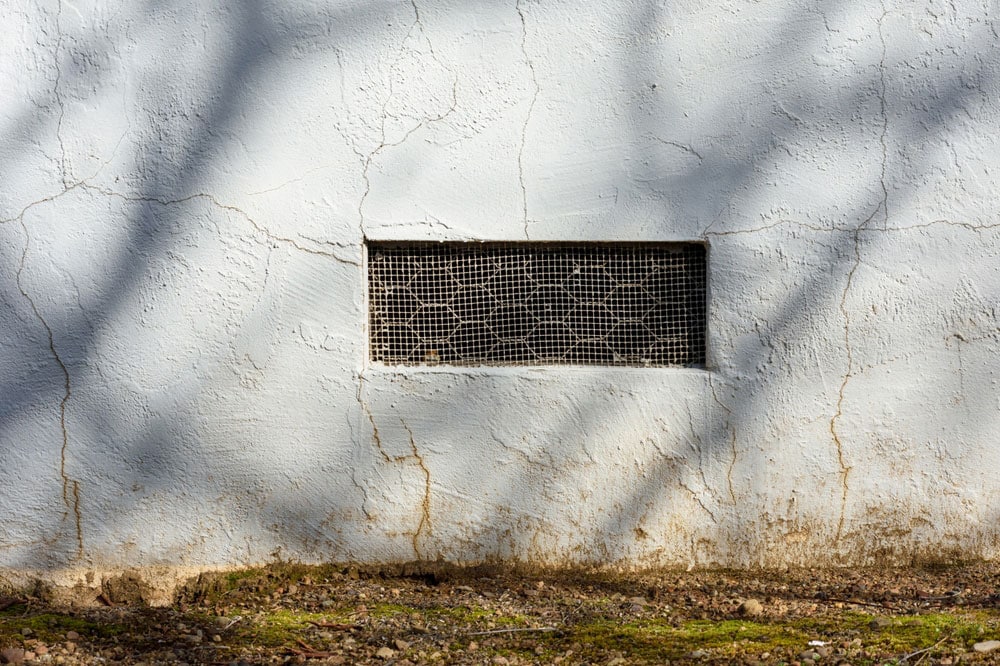
Foundation vents spend years close to landscaping, mulch, soil, lawn equipment, and weather. Screens can deteriorate, louvers can stop working correctly, and shrubs can slowly grow across an opening that was clear when the home was built.
During a crawl space ventilation inspection, technicians can check for several practical problems:
- Blocked exterior openings: Shrubs, mulch, debris, or other materials can restrict airflow before it reaches the crawl space.
- Interior obstructions: Insulation, ductwork, stored belongings, or framing can interfere with air after it enters.
- Damaged vent components: Screens and louvers may be damaged, deteriorated, or no longer operating as intended.
- Dead-air areas: Interior foundation walls and additions can leave sections with limited natural circulation.
- Poor airflow paths: Several open vents don’t necessarily create useful movement through the entire crawl space.
Finding one blocked vent doesn’t automatically explain every moisture problem underneath a house. Looking at the vents together shows whether the existing setup provides a realistic path for air to move through the space.
Myrtle Beach Humidity Changes the Ventilation Plan
Opening something to let in fresh air makes sense on a comfortable spring afternoon. It becomes more complicated during a muggy Grand Strand summer when the outside air itself is carrying substantial moisture.
That’s why crawl space ventilation in Myrtle Beach isn’t simply a matter of getting as much outside air underneath the house as possible. The existing humidity, crawl space configuration, ground conditions, and way air moves through the foundation all matter. A home near the ocean side of Kings Highway can have a completely different crawl space from one closer to the US 501 corridor, even though both experience the same humid summer weather.
The inspection needs to determine what the crawl space actually needs before changing the ventilation. That keeps the service focused on controlling conditions underneath the home rather than automatically assuming that more open vents will solve the problem.
Ventilation Cannot Correct Every Crawl Space Moisture Problem
Moving air is useful when airflow is actually part of the problem, but ventilation shouldn’t be expected to correct a separate source of moisture. A crawl space with standing water, a plumbing leak, or persistent moisture entering from the ground needs more than a fan moving air across it.
A technician may encounter several conditions that change the ventilation plan:
- Damp ground: Moisture from exposed soil can continually affect conditions underneath the house.
- Standing water: Puddling after heavy rain points to a water-management issue rather than ventilation alone.
- Plumbing leaks: Supply and drain leaks need to be corrected at their source.
- Elevated humidity: Persistent high humidity may require a broader moisture-control strategy.
- Physical restrictions: Foundation walls or other obstacles may prevent existing vents from serving the entire space.
This distinction matters after stretches of heavy Myrtle Beach rain. Damp air underneath the house may be part of the problem, but finding wet soil or puddling changes what needs to happen next. The purpose of the inspection is to identify where ventilation fits instead of asking it to perform a job it wasn’t designed to handle.
Check Airflow Where the Problem Actually Exists
Ventilation work isn’t complete because a fan turns on or a vent has been cleared. The finished setup needs to be checked from underneath the house, particularly in the areas that originally felt stagnant or showed elevated moisture conditions.
A technician can verify that mechanical equipment is operating correctly, vents remain unobstructed, and intended airflow paths aren’t being stopped by ductwork, insulation, or interior foundation walls. In a divided crawl space, conditions farther from the fan or vent deserve just as much attention as the area immediately beside it.
This is especially useful in homes that have been expanded or modified over time. Whether the property is near US 501, farther north toward Pine Lakes Drive, or south around Market Common, the final check should answer a practical question: is the ventilation setup actually serving the crawl space rather than simply moving air in one convenient spot?
Crawl Space Ventilation Services in Myrtle Beach, SC
Crawl Space Ninja provides crawl space ventilation solutions for Myrtle Beach homeowners concerned about stagnant air, elevated humidity, or an existing ventilation setup that isn’t performing as expected. Service can include evaluating foundation vents, locating airflow restrictions, checking moisture conditions, determining where ventilation fits into the overall crawl space, and installing mechanical ventilation when appropriate.
From Kings Highway and Pine Lakes to the US 501 corridor, Withers Swash, Farrow Parkway, and Market Common, Myrtle Beach homes can have very different crawl space layouts. The ventilation setup should account for the foundation, existing openings, physical obstructions, moisture conditions, and the path air can realistically take underneath that particular home.
If the crawl space beneath your Myrtle Beach home feels damp or stagnant, or you’re unsure whether the existing vents are providing useful airflow, contact Crawl Space Ninja online to schedule an inspection and determine which ventilation options make sense for your crawl space.


Why Choose Our Services?
Crawl Space Ninja Eliminates the Guesswork.

Every decision we make on your job starts with one question: what's actually best for your home and your family.

We stand behind every job with our lifetime warranty, because giving you lasting protection and confidence in your investment.

Our technicians are trained and certified on the system we built and refined ourselves, not a one-size-fits-all fix.

From your first call to the final walkthrough, you’ll stay updated through every step of the process.

Consult, customize, commence. Every job starts with a plan built for your home, not a generic fix.

You'll know the full cost before work begins. No hidden fees, no surprises.