Drainage Services in Myrtle Beach, SC
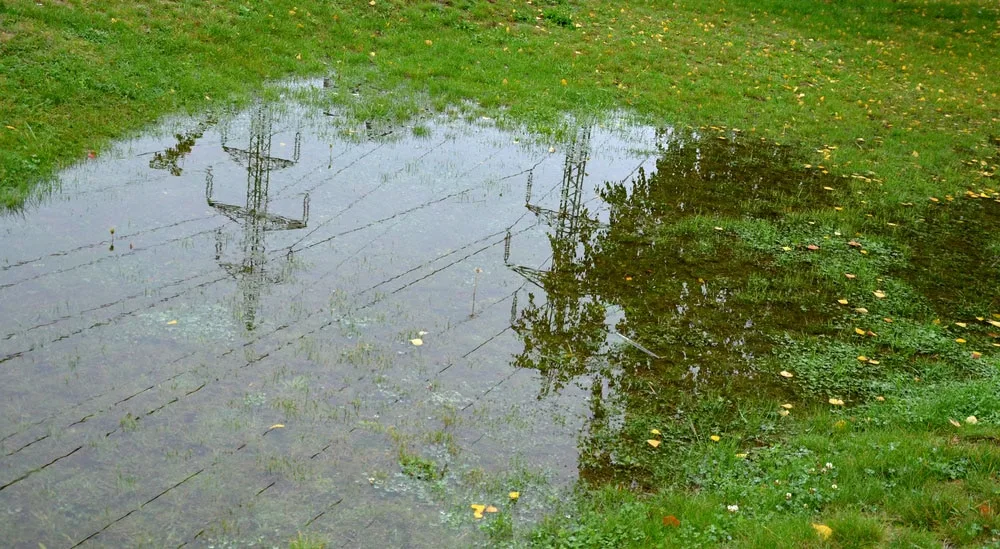
After a hard Myrtle Beach rain, drainage problems usually make themselves obvious. Water may settle beside the patio, the grass around the back gate may stay soft, or a strip along the side of the house may remain too wet to mow long after the rest of the yard dries. Those problem areas show where water is collecting, but fixing them requires figuring out how to collect that water and where to send it.
Crawl Space Ninja provides drainage services designed around the way water moves across each property. Depending on the conditions, service can include catch basin installation, French drains, downspout extensions, drainage piping, and discharge planning. The system is built to collect water where it becomes a problem, carry it through a planned route, and release it at an appropriate location.
Drainage Service Starts With the Property
Before digging begins, technicians need to determine where water is coming from, where it collects, and which direction provides a workable drainage route. That means walking more than the deepest puddle and looking at the grade, downspouts, landscaping, patios, driveways, sidewalks, and low areas around the property.
A tighter lot near Kings Highway can present different routing challenges from a larger yard farther inland toward US 501. Established landscaping around Pine Lakes Drive can also affect where drainage pipe can realistically travel. The evaluation helps determine whether the problem calls for surface collection, subsurface drainage, downspout management, or a combination of services.
The discharge point is considered during this initial planning as well. Collecting water without knowing where it can be carried only solves half of the problem.

Catch Basin Installation for Surface Water
When water runs across the surface and repeatedly collects in a low area, a catch basin can provide a dedicated collection point. The basin is positioned where runoff naturally reaches it and connected to drainage piping that carries the collected water away.
Installation starts by identifying the actual low point rather than simply placing a drain close to the puddle. The basin needs to be set at a height that allows surface water to enter it, while the connected pipe needs a workable route toward the discharge location. Landscaping, walkways, utility areas, and other obstacles are considered before the line is installed.
Catch basins can be useful for several common trouble spots:
- Low lawn areas: Surface runoff repeatedly settles in the same section of grass.
- Patio edges: Water collects where hardscape meets the surrounding yard.
- Gates and walkways: Frequently traveled areas become muddy after rain.
- Driveway edges: Runoff leaves the pavement and gathers in adjacent grass.
- Downspout areas: Concentrated roof water contributes to surface pooling.
Once installed, the basin and connected drainage line can be tested with water. That confirms runoff has a path from the collection point through the system rather than leaving the homeowner with a drain that looks good but doesn’t serve the low area.
French Drain Installation for Saturated Ground
Some Myrtle Beach drainage problems are less obvious than a standing puddle. The surface may look reasonably dry while the soil underneath remains saturated, leaving a long strip of lawn soft underfoot or difficult to mow.
A French drain provides a subsurface drainage route for those conditions. Technicians establish the drainage path, open the trench, install the appropriate drainage components, and maintain a route toward the planned outlet. The trench then needs to be restored appropriately after the system is in place.
Routing matters throughout the installation. A French drain along a landscaped property near Pine Lakes may need to work around mature plantings, while a home near Farrow Parkway and Market Common may have sidewalks, driveways, or other hardscapes affecting the available path. The system needs to follow the moisture problem while still fitting the property above it.
This gives French drains a different job from catch basins. Catch basins collect water moving across the surface, while French drains help manage water within saturated ground.
Discharge Planning Completes the Drainage System
Every drainage system eventually needs somewhere to release the water it collects. Choosing that point is part of the service from the beginning rather than a decision made after the trench has already been dug. The discharge route has to make sense for both the drainage system and the rest of the property.
Before establishing an outlet, technicians can account for several conditions:
- Existing grade: The route needs to support continued movement toward the selected discharge area.
- Property boundaries: Collected water shouldn’t simply be redirected onto a neighboring property.
- Walkways and driveways: Hard surfaces can affect both the available route and outlet location.
- Landscaping: Beds, shrubs, trees, and established lawn areas may need to be worked around during installation.
- Existing wet areas: The outlet shouldn’t empty into another section of the yard that already struggles with standing water.
- Everyday yard use: Gates, mower routes, patios, and frequently traveled areas need to remain practical after the work is complete.
These details become particularly important during heavier Grand Strand rainfall. A drainage route that seems fine while the yard is dry still has to handle water when a catch basin, French drain, or connected drainage line is actively carrying it. The right outlet completes the system by giving collected water a practical destination instead of simply transferring the wet spot somewhere else.
Test the Completed Drainage System
After installation, the system should be checked from collection point to discharge. Water can be introduced at catch basins and other collection areas to verify that it enters the drainage system, travels through the piping, and reaches the intended outlet.
Connections and discharge points can also be inspected while the system is operating. Disturbed trench areas should be restored appropriately, and catch basins need to remain positioned where surface runoff can reach them. Testing provides a final look at the entire route before the next Myrtle Beach thunderstorm does it for the homeowner.
Drainage Services in Myrtle Beach, SC
Crawl Space Ninja provides drainage solutions for Myrtle Beach homeowners dealing with standing water, saturated soil, roof runoff, and recurring wet areas. Services can include property drainage evaluations, catch basin installation, French drains, downspout extensions, drainage piping, discharge planning, and testing of the completed system.
From Pine Lakes Drive and Kings Highway to Withers Swash, US 501, Farrow Parkway, and Market Common, each Myrtle Beach property presents a different route for moving unwanted water. If part of your yard stays muddy, holds water, or becomes difficult to use after heavy rain, contact Crawl Space Ninja online to schedule a drainage evaluation and determine which drainage services fit your property.


Why Choose Our Services?
Crawl Space Ninja Eliminates the Guesswork.

Every decision we make on your job starts with one question: what's actually best for your home and your family.

We stand behind every job with our lifetime warranty, because giving you lasting protection and confidence in your investment.

Our technicians are trained and certified on the system we built and refined ourselves, not a one-size-fits-all fix.

From your first call to the final walkthrough, you’ll stay updated through every step of the process.

Consult, customize, commence. Every job starts with a plan built for your home, not a generic fix.

You'll know the full cost before work begins. No hidden fees, no surprises.