Downspout Extensions in Myrtle Beach, SC
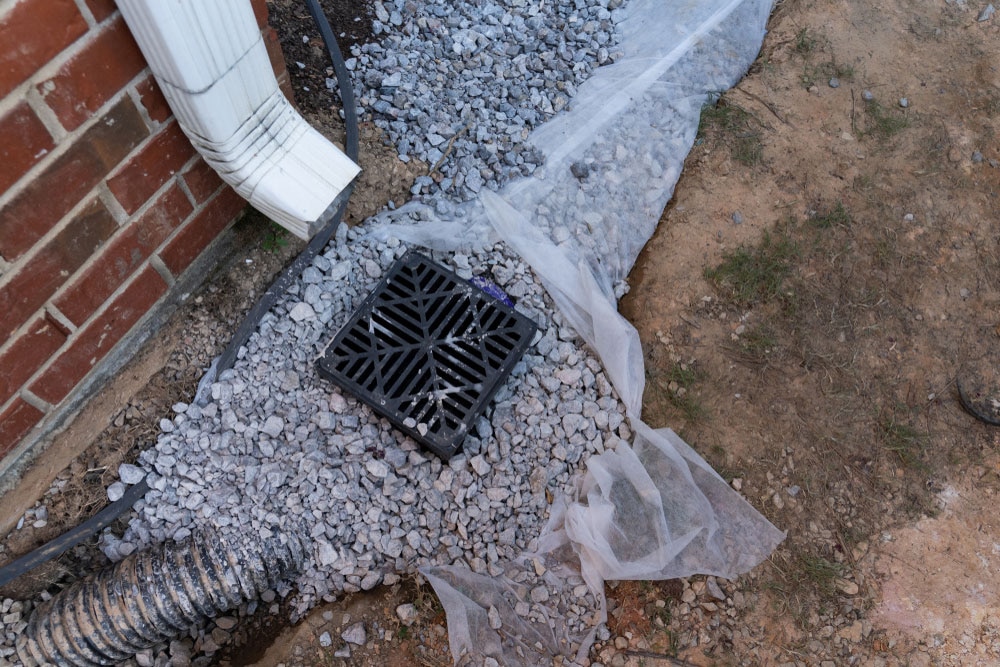
Stand outside during a hard Myrtle Beach rain and one downspout can be surprisingly busy. Water collected from an entire section of roof gets concentrated into one stream and may empty onto a patch of ground only a few feet from the house. By the time the storm passes, mulch may be scattered across the lawn, the ground beside the foundation may feel soft, or the same puddle may be waiting beside the gate again.
Crawl Space Ninja installs downspout extensions to carry that concentrated roof runoff to a more appropriate location. The service includes evaluating existing outlets, choosing a workable discharge point, planning around landscaping and hardscapes, installing the extension, and checking the completed route. The point isn’t simply to make the downspout longer. It’s to give the water somewhere better to go.
Downspout Extension Service Starts With the Existing Outlet
The first step is checking where each downspout currently releases water. Technicians can look for washed mulch, eroded soil, soft ground, or a visible path showing where runoff travels once it leaves the gutter system. That provides a starting point for deciding how far the water needs to be moved.
The inspection then continues across the property. Yard slope, landscaping, crawl space openings, patios, sidewalks, driveways, and neighboring property can all affect the available route. A tighter property near Kings Highway may provide fewer options than a more open yard farther inland toward the US 501 corridor, so the extension needs to be planned around the actual space.
A destination is selected before installation begins. Moving the outlet several feet without considering where it ends can simply relocate the same wet spot.

Surface and Buried Downspout Extension Options
Not every Myrtle Beach property needs the same type of extension. When there is an open route and the line won’t interfere with normal use of the yard, a surface extension may provide a straightforward way to carry roof runoff farther from the house.
Other properties are better suited for a buried extension. Running the drainage line underground can keep the surface open when the route crosses a lawn or another regularly used area. The decision depends on the distance to a workable discharge point, the grade, and what sits between the downspout and that destination.
Several everyday features can affect the installation:
- Mower routes: The extension shouldn’t create an obstacle every time the grass is cut.
- Gates and walkways: Frequently traveled areas need to remain usable.
- Landscaping: Shrubs, beds, and established plantings can change the available route.
- Patios and driveways: Hard surfaces may limit where a line can travel.
- Air-conditioning equipment: Extensions need to work around existing mechanical equipment.
- Low areas: The outlet shouldn’t feed another section of yard that already stays wet.
Those considerations can be especially important around established neighborhoods such as Pine Lakes and Withers Swash, where mature landscaping and existing exterior improvements may influence the available path.
Buried Downspout Extension Installation
When a buried extension makes sense, technicians establish the route before opening the ground. The line needs to connect to the existing downspout and travel toward the planned outlet while maintaining a path that allows water to continue moving.
A trench is opened along that route, and the drainage line is installed around the obstacles identified during the initial evaluation. The downspout is then connected so roof runoff enters the new line rather than continuing to discharge beside the foundation. Once the installation and testing are complete, the disturbed area can be restored.
This allows the extension to cross parts of the property without leaving drainage pipe lying across the lawn. A home near Pine Lakes Drive may require working around established landscaping, while a property farther south around Farrow Parkway and Market Common may present a different combination of sidewalks, driveways, and usable yard space.
Surface Extension Installation
Surface extensions provide another option when the yard offers a clear path away from the house. Installation can be simpler, but placement still needs to account for how homeowners use the property.
The extension should remain connected and positioned where it can receive water without becoming something that gets kicked aside, disconnected before mowing, or dragged away from the downspout. It also shouldn’t terminate beside an air-conditioning unit, across a walkway, or at the gate everyone uses to reach the backyard.
A surface system works best when its simplicity matches the property. If the extension can move runoff effectively while staying out of the homeowner’s way, there may be no reason to put that particular route underground.
Plan a Better Discharge Point
Every extension eventually has to release the water again. Choosing that discharge point is a major part of the service because all the runoff collected from that roof section will be concentrated there.
Technicians can evaluate the grade around the proposed outlet and check for nearby low spots, sidewalks, neighboring property, and routes that could send water back toward the foundation. The objective is to establish an endpoint that improves water management rather than creating a new puddle somewhere else.
That becomes particularly important during heavier Grand Strand rain. Whether a home sits near Kings Highway, closer to US 501, or south toward Market Common, the outlet needs to make sense when a large amount of roof water is actually moving through the extension.
Test the Downspout Extension After Installation
Installation isn’t complete when the pipe is connected. The finished route should be tested to verify that water enters the extension, moves through it, and reaches the planned discharge point.
For a buried extension, testing provides an opportunity to check the connection and outlet after the line has been installed. For a surface extension, technicians can make sure the line remains properly positioned and directs water where intended. Any obvious problem with the route is better identified during service than during the next Myrtle Beach thunderstorm.
The final check also includes looking at how the extension fits everyday use of the property. Gates should still open, walkways should remain clear, and mower access shouldn’t turn the new drainage system into an obstacle.
Downspout Extension Services in Myrtle Beach, SC
Crawl Space Ninja installs downspout extensions for Myrtle Beach homeowners who need a better way to manage concentrated roof runoff. Service can include evaluating existing downspout outlets, selecting a discharge point, choosing between surface and buried options, planning around landscaping and hardscapes, installing the extension, and testing the completed route.
From Pine Lakes Drive and Kings Highway to Withers Swash, the US 501 corridor, Farrow Parkway, and Market Common, Myrtle Beach properties can provide very different routes between a downspout and a workable outlet. The extension should fit the yard, stay out of the way of everyday use, and move roof runoff to a location that makes sense for that particular property.
If your downspouts are washing out mulch, soaking the ground beside the house, or creating the same wet spot after every hard Myrtle Beach rain, contact Crawl Space Ninja online to schedule a drainage evaluation.


Why Choose Our Services?
Crawl Space Ninja Eliminates the Guesswork.

Every decision we make on your job starts with one question: what's actually best for your home and your family.

We stand behind every job with our lifetime warranty, because giving you lasting protection and confidence in your investment.

Our technicians are trained and certified on the system we built and refined ourselves, not a one-size-fits-all fix.

From your first call to the final walkthrough, you’ll stay updated through every step of the process.

Consult, customize, commence. Every job starts with a plan built for your home, not a generic fix.

You'll know the full cost before work begins. No hidden fees, no surprises.