Alpharetta, GA Crawl Space Ventilation
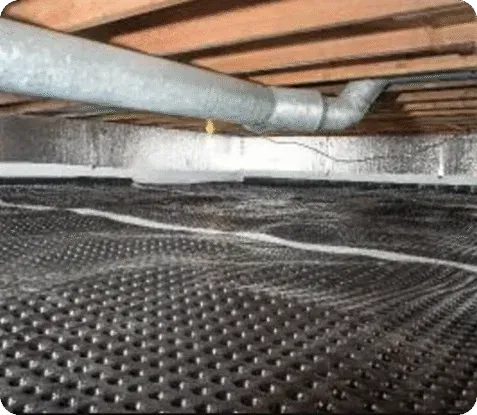
It seems logical enough: if the crawl space feels damp, give it more air. Plenty of homeowners have spent years opening foundation vents when the weather warms up because that’s what they’ve always been told to do. The problem is that an open vent can only bring in whatever air is outside, and on a humid Alpharetta summer afternoon, that air may already be carrying plenty of moisture.
That’s why Crawl Space Ventilation involves more than counting vents around the foundation. Crawl Space Ninja looks at humidity, airflow, existing vents, and conditions underneath the house to see whether the current setup is actually helping the crawl space stay dry. Contact us online to schedule an inspection.
The Vents Stay the Same. Alpharetta’s Air Doesn’t.
An Alpharetta homeowner can open the crawl space vents on a pleasant spring morning and leave them that way as North Georgia moves into warmer, more humid weather. The openings around the foundation haven’t changed, but the air moving through them certainly has. What seemed reasonable in April may behave very differently underneath the house by July.
That seasonal change matters across Alpharetta, whether we’re underneath an established home closer to Downtown and Canton Street or a property farther toward North Point and GA-400. The neighborhood doesn’t tell us whether ventilation is working. Once we crawl underneath, we’re looking at how much moisture is in the air, how well it moves through the space, and what the materials under the house are showing us.

Crawl Space Vents Don’t Create Dry Air
A foundation vent is an opening. It doesn’t remove moisture from the air passing through it. When warm, humid outdoor air enters a cooler crawl space, simply having air movement doesn’t guarantee that the space will stay dry.
Sometimes we can feel the difference before we see much at all. The crawl space may feel cool but clammy, or the air may become heavier as we move farther from the access door. Then we start looking overhead and around us for the physical signs.
Those can include:
- Condensation: Moisture collects on ductwork, pipes, or other cooler surfaces.
- Damp insulation: Fiberglass feels moist or begins sagging away from the floor above.
- Musty odors: The air has the familiar smell that develops in persistently damp spaces.
- Surface growth: Wood or other organic material shows signs of mold or mildew.
- Rust or corrosion: Metal fasteners or duct components show moisture exposure.
- Damp soil: The ground remains moist or an existing ground cover isn’t keeping ground moisture separated from the crawl space.
Those details tell us much more than the number of vents visible from the yard.
Sometimes the Ductwork Gives It Away
Air-conditioning ducts running beneath an Alpharetta home can be considerably cooler than the crawl space air around them during summer. When that surrounding air contains enough moisture, condensation can develop on those cooler surfaces.
A homeowner may never see actual droplets. By the time we get underneath the house, we may instead find damp insulation near a duct, staining below it, rust beginning on metal components, or a section of framing that feels different from the surrounding wood. Following those clues helps us distinguish humidity and condensation from something like an active plumbing leak.
That’s important because adding airflow isn’t automatically the answer to either problem. Before talking about Crawl Space Ventilation, we need to understand where the moisture is showing up and why.
We Check the Vents Before We Crawl Underneath
Before squeezing through the access door, it helps to walk around the foundation. We look at where the vents are located, which sides of the house they’re on, and whether anything obvious affects those openings.
Then we crawl underneath and see what those vents are actually accomplishing. Two openings may look perfectly spaced from the yard, but a foundation wall, duct trunk, plumbing run, addition, or tight section underneath can change how air moves between them.
This is where the difference between looking at a crawl space and actually crawling through one becomes important. A vent near the access may have plenty of air movement while a section farther beneath the house feels completely different.
Ventilation Is Only One Part of What We’re Looking At
A crawl space can have more than one moisture issue at the same time. If there’s standing water, an active leak, or another source introducing moisture underneath the house, changing ventilation alone isn’t going to make that water disappear.
That’s why our eyes aren’t fixed only on the foundation vents. As we crawl through, we’re checking the ground, floor framing, insulation, ductwork, pipes, and visible moisture patterns. A wet area directly below plumbing gives us different information from condensation scattered along cool ductwork.
If we find another source of moisture, we distinguish that condition from the ventilation issue rather than expecting airflow alone to solve it. That keeps the recommendation focused on what the crawl space actually needs.
Crawl Space Ventilation for Alpharetta Homes
If you’ve been opening your crawl space vents every summer because that’s what you’ve always done, you’re not alone. But the vents around an Alpharetta home stay essentially the same while the temperature and moisture content of the outdoor air can change considerably from spring into summer.
If your crawl space feels damp, smells musty, or shows signs of condensation or excess humidity, contact Crawl Space Ninja online to schedule an inspection. We’ll check the vents from outside, crawl through the space to compare conditions from one area to another, and determine whether the current ventilation setup is helping or contributing to the moisture conditions underneath your home.


Why Choose Our Services?
Crawl Space Ninja Eliminates the Guesswork.

Every decision we make on your job starts with one question: what's actually best for your home and your family.

We stand behind every job with our lifetime warranty, because giving you lasting protection and confidence in your investment.

Our technicians are trained and certified on the system we built and refined ourselves, not a one-size-fits-all fix.

From your first call to the final walkthrough, you’ll stay updated through every step of the process.

Consult, customize, commence. Every job starts with a plan built for your home, not a generic fix.

You'll know the full cost before work begins. No hidden fees, no surprises.