Alpharetta, GA Sagging Floor Repair
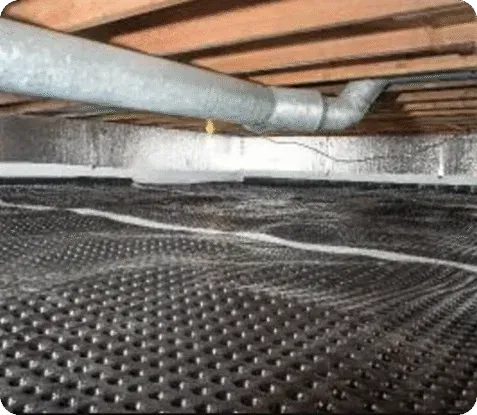
Most homeowners don’t discover a sagging floor by looking underneath their house. They notice it while carrying laundry down the hallway, pulling a chair away from the dining room table, or walking across the same spot they’ve crossed every day for years. The floor dips slightly, feels softer under one foot, or has just enough slope that something suddenly doesn’t feel right.
That’s usually where our inspection starts. For Sagging Floor Repair in Alpharetta, Crawl Space Ninja wants to see the area you’re noticing upstairs before we crawl underneath it. That gives us a location to work from as we inspect the accessible framing below. Contact us online to schedule an inspection.
Every Alpharetta House Gives Us a Different View From Below
One appointment may put us beneath an established home closer to Downtown and Academy Street, while the next takes us toward residential areas around North Point and GA-400. What we encounter underneath can look completely different, which is why the neighborhood or age of the house never becomes our diagnosis.
Once we’re inside the crawl space, we’re dealing with the house in front of us. Framing layouts, ductwork, plumbing, insulation, previous work, moisture conditions, and accessibility can all change what we see. Before deciding what a sagging floor needs, we first need to understand what’s supporting it.

Show Us Where You Feel It
Homeowners usually know exactly where to take us. You may point to the kitchen doorway, a section beside the couch, or the hallway where your foot seems to drop slightly with every step. Because you walk these floors every day, small changes can become surprisingly noticeable.
Some of the clues homeowners show us include:
- A noticeable dip: One section feels lower than the flooring around it.
- A soft or bouncy spot: The floor has more movement than it used to.
- Rocking furniture: A chair or table no longer sits evenly.
- Sticking doors: A nearby interior door begins rubbing or behaving differently.
- A gradual slope: The floor changes elevation as you cross the room.
- A changing condition: A spot that was barely noticeable has become easier to feel.
We remember that location when we head underneath. Rather than crawling into the space and looking randomly for something wrong, we want to get beneath the area you just showed us.
We Don’t Just Look Up. We Sight Down the Framing.
Sometimes the best view isn’t straight above us. We may get lower and sight along accessible joists or other framing members because looking lengthwise can make a change easier to recognize than staring directly at the bottom of the wood.
We also compare neighboring areas. If one section looks different, we want to know what the framing beside it looks like and whether the condition continues farther. Ductwork, insulation, plumbing, and existing supports can make the inspection awkward, but changing our position can reveal details we couldn’t see from the first angle.
Upstairs you feel the symptom through your feet. Underneath, we’re trying to connect that feeling to the structure carrying the floor.
What Are We Looking At Under There?
The finished flooring is only the surface of a larger system. During an accessible inspection, we’re looking at how the components underneath work together to support it.
That can include:
- Floor joists: Framing members supporting the floor above.
- Beams or girders: Larger members carrying sections of the floor system.
- Subfloor: The structural layer immediately beneath the finished flooring.
- Support locations: Points where loads are transferred downward.
- Connections and bearing points: Areas where framing members meet or receive support.
- Previous work: Added framing or supports that provide context about the area.
By the time we’re discussing repair, we should be able to explain how the condition underneath relates to the dip, slope, or movement you showed us upstairs.
Old Repairs Can Tell Us Something Too
Not everything underneath an Alpharetta home is necessarily original. Sometimes we reach the problem area and find framing or supports that appear to have been added during earlier work. We look at where they’re positioned, what they’re contacting, and how they relate to the surrounding floor system.
Previous work isn’t automatically the cause of the current problem. It’s simply another piece of information that can help us understand what’s currently supporting the floor.
Sagging Floor Repair Starts With the Cause, Not the Jack
Seeing an uneven floor and deciding it simply needs to be pushed upward skips an important part of the process. Before discussing repair, we want to understand why that section isn’t sitting or behaving like the surrounding floor.
We consider questions such as:
- Where does the sag or movement begin and end?
- What framing is directly beneath it?
- What condition are the accessible joists, beams, and subfloor in?
- How is that section currently supported?
- Is there visible deterioration affecting the area?
- Has previous framing or support work been performed?
Those answers help determine what kind of Sagging Floor Repair is appropriate. Depending on the accessible conditions and work required, repair may involve addressing compromised floor framing or improving support beneath the affected floor system. The repair should correspond with what we’ve identified underneath rather than adding support somewhere and hoping the floor above responds.
Sagging Floor Repair for Alpharetta Homes
You don’t have to know the difference between a joist and a girder to recognize that your floor has changed. You know the spot where your step feels different, where the chair started rocking, or where the hallway seems to dip more than it used to. Showing us that spot gives us somewhere specific to start.
If a floor in your Alpharetta home is sagging, sloping, soft, or noticeably different underfoot, contact Crawl Space Ninja online to schedule an inspection. We’ll start upstairs where you notice the problem, work our way beneath that area, inspect the accessible floor structure, and determine what Sagging Floor Repair may be appropriate.


Why Choose Our Services?
Crawl Space Ninja Eliminates the Guesswork.

Every decision we make on your job starts with one question: what's actually best for your home and your family.

We stand behind every job with our lifetime warranty, because giving you lasting protection and confidence in your investment.

Our technicians are trained and certified on the system we built and refined ourselves, not a one-size-fits-all fix.

From your first call to the final walkthrough, you’ll stay updated through every step of the process.

Consult, customize, commence. Every job starts with a plan built for your home, not a generic fix.

You'll know the full cost before work begins. No hidden fees, no surprises.