Alpharetta, GA Yard Drainage
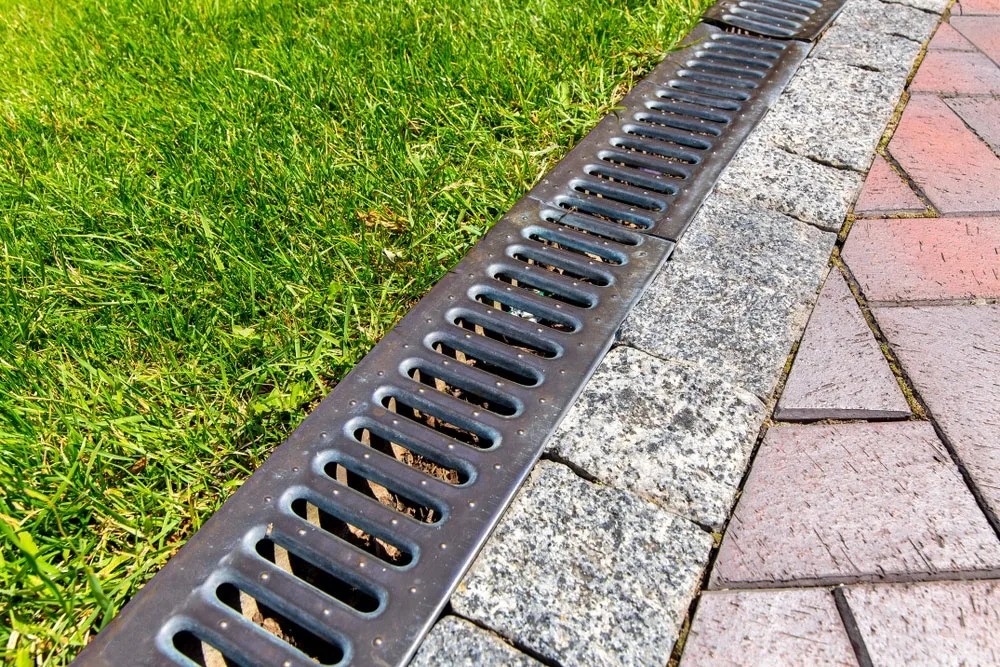
The rain may have stopped yesterday, but the yard can still show us exactly where the water went. Pine straw may be piled against one edge of a bed, a streak of reddish soil can cross the grass, and one section of lawn may still give under a boot. There might not be a puddle anywhere when we arrive, but the storm often leaves evidence behind.
That’s where we start with Yard Drainage in Alpharetta. Crawl Space Ninja walks the property, studies changes in grade, checks low areas, and follows the clues runoff leaves behind. Instead of starting with a particular drain, we start with the property itself. If water keeps collecting or moving through areas where you don’t want it, contact us online to schedule an inspection.
Alpharetta Yards Can Change Elevation Quickly
Alpharetta sits in Georgia’s Piedmont, where rolling terrain and reddish soils are familiar parts of the landscape. That doesn’t mean every sloped yard has a drainage problem, but noticeable elevation changes can occur across a single residential property. Those changes help shape the routes runoff has available during a storm.
A property farther north around Windward may have a broad backyard with a longer change in elevation, while a home closer to Academy Street may have tighter space between the house, driveway, landscaping, and neighboring property. We need to see how the house, hard surfaces, planting beds, high points, and low areas fit together before deciding what the yard needs.

We Usually Start by Walking, Not Digging
Before discussing drainage components, we walk the property. We may start beside the house, cross the area that stays wet, continue beyond it, and then turn around to look back toward where we started. Sometimes a runoff path becomes easier to recognize from the opposite direction.
During that walk, we’re looking for clues such as:
- Flattened pine straw: Moving water can push lightweight ground cover into small piles.
- Washed mulch: Bare patches can reveal where runoff repeatedly crosses a bed.
- Reddish sediment: Fine Piedmont soil left on grass or pavement can outline a water path.
- Soft turf: Grass may look normal even though the soil underneath remains saturated.
- Erosion channels: Repeated runoff can cut narrow routes through exposed soil.
- Low areas: Depressions may remain wet after surrounding ground begins drying.
One clue doesn’t explain an entire drainage problem. When several line up across the same part of the property, however, we have a trail worth following.
Sometimes Our Boots Find the Problem First
A wet section isn’t always obvious from across the lawn. The grass may be green with no standing water, but one boot sinks slightly into the soil. Another step is soft, and several feet later the ground becomes firm again.
We may cross the area from another direction, watching for footprints that hold their shape, shallow mower ruts, or water squeezing up around a boot. Those changes help us determine whether we’re dealing with a small depression or a longer strip of saturated ground. Then we look uphill and downhill to understand what connects with that soft area.
We Follow the Evidence in Both Directions
Once we identify a recurring wet area, we may walk past it, turn around, and work uphill toward a possible source before following the property toward lower ground. We’re trying to reconstruct what happened while the rain was still falling rather than concentrating only on where water eventually collected.
Along the route, we’re asking:
- What is uphill? Which areas can feed water toward this section?
- What changes along the way? Grass, beds, pavement, and edging can affect surface flow.
- Where does the grade flatten? Water may slow or collect where elevation changes.
- What happens downhill? Is there somewhere for water to continue moving?
- Does the evidence connect? Sediment, erosion, displaced ground cover, and soft soil may form a pattern.
This gives us a broader picture of the property than simply standing beside the muddiest part of the lawn.
The Wettest Spot Isn’t Automatically Where the Drain Goes
A soggy patch is often where a drainage concern becomes obvious, but it may simply be the destination. Putting something there without understanding where the water came from can mean focusing on the end of the route while ignoring what led there.
We first want to understand whether we’re seeing surface runoff, repeated saturation, collection in a low area, or another visible condition. We also look beyond that spot because managed water needs an appropriate place to continue moving. Shifting water a short distance without considering the surrounding grade can simply create another problem elsewhere.
The Yard Drainage approach should respond to what the property is actually doing rather than force every Alpharetta yard into the same setup.
Water Doesn’t Know Where the Flower Bed Ends
Homeowners naturally divide a property into separate spaces: driveway, lawn, flower bed, patio, side yard, and backyard. Water doesn’t recognize those boundaries. It responds to elevation, obstacles, surfaces, and whatever path is available.
That’s why a drainage concern beside the patio may eventually take us across the lawn toward a driveway or landscaped area. What looks like several unrelated wet spots from the house may make more sense after we’ve walked the property from one end to the other. Yard Drainage works better when we understand those areas as one connected landscape.
Yard Drainage for Alpharetta Homes
By the time we arrive at an Alpharetta home, the storm may be gone, but the evidence usually isn’t. Reddish sediment, displaced pine straw, soft turf, washed mulch, mower ruts, and erosion channels can help us reconstruct how water moved across the property. Walking those clues in both directions gives us a better picture than simply standing beside the biggest puddle.
If parts of your Alpharetta yard repeatedly stay soggy, collect water, or show signs of runoff and erosion, contact Crawl Space Ninja online to schedule an inspection. We’ll walk the property, evaluate the grade and surrounding surfaces, follow the evidence left by previous rain, and determine what Yard Drainage approach fits the conditions we find.


Why Choose Our Services?
Crawl Space Ninja Eliminates the Guesswork.

Every decision we make on your job starts with one question: what's actually best for your home and your family.

We stand behind every job with our lifetime warranty, because giving you lasting protection and confidence in your investment.

Our technicians are trained and certified on the system we built and refined ourselves, not a one-size-fits-all fix.

From your first call to the final walkthrough, you’ll stay updated through every step of the process.

Consult, customize, commence. Every job starts with a plan built for your home, not a generic fix.

You'll know the full cost before work begins. No hidden fees, no surprises.