Alpharetta, GA Vent Fan
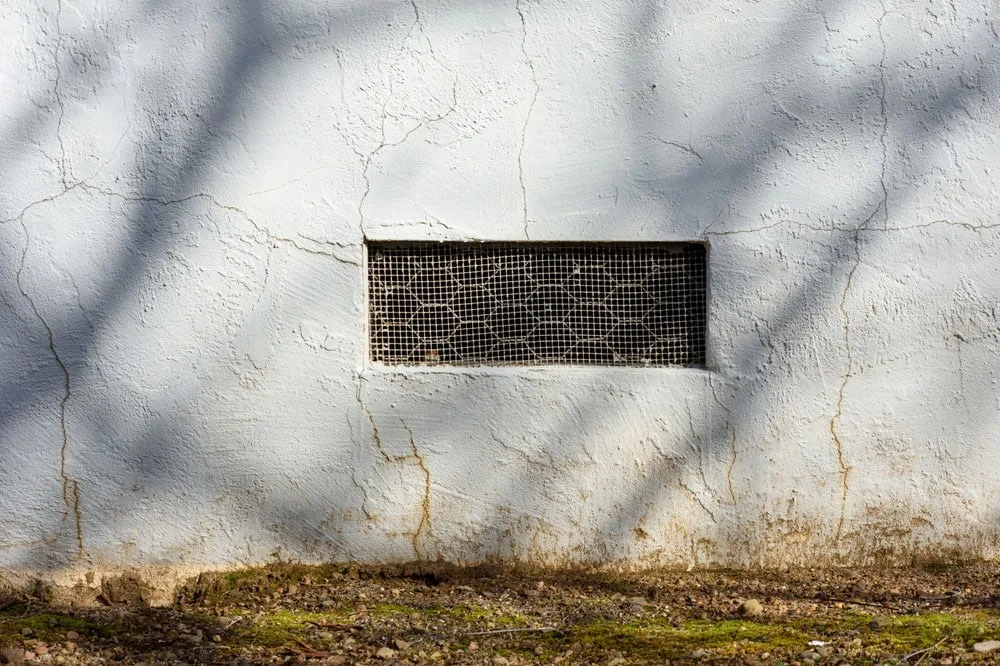
Put your hand near a running crawl space vent fan and there’s no mystery about whether air is moving. You can hear the motor, feel air passing through the opening, and see the blades turning. From a few inches away, the fan can seem like it’s doing exactly what it’s supposed to do. The more important question is what happens to that airflow once we move away from the opening.
That’s how we approach Vent Fans in Alpharetta. At Crawl Space Ninja, we look at where the fan is installed, which direction it’s moving air, where replacement air can enter, and what happens as we move deeper beneath the house. If you’re considering a Vent Fan or want an existing fan inspected, contact us online to schedule an inspection.
Alpharetta’s Outdoor Air Doesn’t Stay the Same
A crawl space Vent Fan doesn’t operate independently from the air outside the foundation. That’s particularly important during Alpharetta’s warm, humid summers, when outdoor conditions can be considerably different from cooler parts of the year. The fan continues doing the same mechanical job even as the air around the house changes.
The house itself matters, too. A crawl space beneath an established home closer to Canton Street may be divided differently from one we enter farther south around North Point. Foundation walls, additions, ducts, plumbing, and the overall footprint can change the paths available for air beneath the floor. That’s why we need to get underneath the house before making assumptions about airflow.

First, We Check the Fan Itself
Before crawling toward the opposite side of the house, we start directly at the Vent Fan. Putting a hand near the opening lets us feel what the equipment is doing while we look at how it’s mounted and what’s immediately around it. That gives us a starting point before moving through the rest of the crawl space.
We’re paying attention to details such as:
- Fan operation: Is the unit running when expected?
- Air direction: Which way is the fan moving air?
- Airflow: Can we feel meaningful movement at the opening?
- Mounting: How is the fan positioned at the foundation vent?
- Obstructions: Is anything visibly restricting the fan or opening?
- Nearby conditions: What do we see around the surrounding framing and ducts?
Those observations tell us what’s happening beside the equipment, but not necessarily what’s happening twenty feet away. That’s when we turn away from the fan and start looking at the space it’s supposed to affect.
If Air Is Going Out, Air Has to Come In
If a Vent Fan is exhausting crawl space air through one opening, replacement air has to enter from somewhere else. Underneath a house, however, that route isn’t always obvious. Foundation walls, mechanical components, vents, and tight passages can influence how air travels through the space.
A large duct trunk may occupy much of the available area, while an interior foundation wall may leave only a small passage between sections. Plumbing and framing can create additional obstacles. Instead of assuming air travels neatly across the crawl space, we look at what’s actually between the fan and the rest of the house.
Then We Crawl Away From the Fan
Near the Vent Fan, airflow is easy to notice, but the more useful part of the inspection often happens farther away. We may start beside the fan, crawl beneath several joists, slide underneath a large duct trunk, and squeeze through a tighter opening beside an interior foundation wall. Once we’re past those obstacles, we stop and pay attention again.
Sometimes we have to turn sideways around plumbing or change direction to reach another section. Those barriers are why we don’t assume air moving strongly at one foundation opening is moving the same way everywhere else. From outside the house, a humming fan can sound reassuring, but underneath we’re more interested in what happens after we crawl past the first major obstruction.
A Running Fan Doesn’t Guarantee a Dry Crawl Space
A Vent Fan has one basic mechanical job: move air. It doesn’t remove standing water, stop a plumbing leak, dry wet soil on command, or automatically correct every moisture condition underneath a house. A fan can be operating normally while an entirely separate moisture condition exists somewhere else.
As we move through the crawl space, we’ll watch for:
- Condensation: Moisture visible on ducts, pipes, or other surfaces.
- Damp insulation: Material that appears or feels affected by moisture.
- Wet soil: Ground conditions showing water is present.
- Staining: Visible marks on framing or foundation surfaces.
- Plumbing leakage: Drips or wet areas associated with visible piping.
- Changing conditions: One section that looks or feels different from another.
We don’t automatically blame those conditions on the fan, and we don’t assume the fan will correct them. They need to be considered separately from whether the equipment is moving air.
Placement Can Look Different From Underneath
From the yard, a particular foundation vent may look like an obvious place for a fan. Then we crawl behind it and discover a duct trunk occupying much of the space, an interior foundation wall nearby, or a tight passage that changes how air can move away from that opening. The outside view only gives us half of the picture.
That’s why Vent Fan placement deserves to be considered from both sides of the foundation. On Alpharetta homes with different footprints, additions, and mechanical layouts, the easiest opening to reach from outside isn’t automatically the most useful location when viewed from underneath. Crawling the space lets us see what actually lies behind that opening.
We Check More Than the Place With the Strongest Breeze
Standing beside a fan naturally draws your attention to the place where air movement is strongest. After crawling through the space, we can compare that area with sections farther away. The crawl space may be relatively open, or ducts, walls, framing, and tight passages may divide it into noticeably different areas.
That’s why this inspection is physical. We’re crawling the joist bays, working around obstacles, and checking different parts of the space instead of standing at the access and guessing. That hands-on view helps us evaluate the Vent Fan as part of an actual Alpharetta crawl space rather than equipment mounted in isolation.
A Vent Fan Has One Specific Job
Vent Fans are often discussed alongside crawl space humidity, moisture, and ventilation, which can make it easy to expect too much from one piece of equipment. A Vent Fan moves air. Our job is to determine what that air movement means in the crawl space we’re actually inspecting.
If another moisture condition is present, we treat that as separate information rather than promising that moving more air will automatically solve it. The fan may still have an appropriate role, but that role needs to fit the layout and conditions underneath that particular Alpharetta home.
Vent Fans for Alpharetta Crawl Spaces
The easiest place to feel a Vent Fan working is directly beside it, but the more useful information often comes after we turn around and crawl away. By moving through the space, we can see what interrupts airflow, compare different areas, and understand how the equipment fits the crawl space as a whole.
If you’re considering a Vent Fan for your Alpharetta home or want an existing fan inspected, contact Crawl Space Ninja online to schedule an inspection. We’ll check the fan, get underneath the house, follow the airflow through the crawl space, and evaluate how the equipment fits the conditions and layout we find.


Why Choose Our Services?
Crawl Space Ninja Eliminates the Guesswork.

Every decision we make on your job starts with one question: what's actually best for your home and your family.

We stand behind every job with our lifetime warranty, because giving you lasting protection and confidence in your investment.

Our technicians are trained and certified on the system we built and refined ourselves, not a one-size-fits-all fix.

From your first call to the final walkthrough, you’ll stay updated through every step of the process.

Consult, customize, commence. Every job starts with a plan built for your home, not a generic fix.

You'll know the full cost before work begins. No hidden fees, no surprises.