Alpharetta, GA Sump Pumps
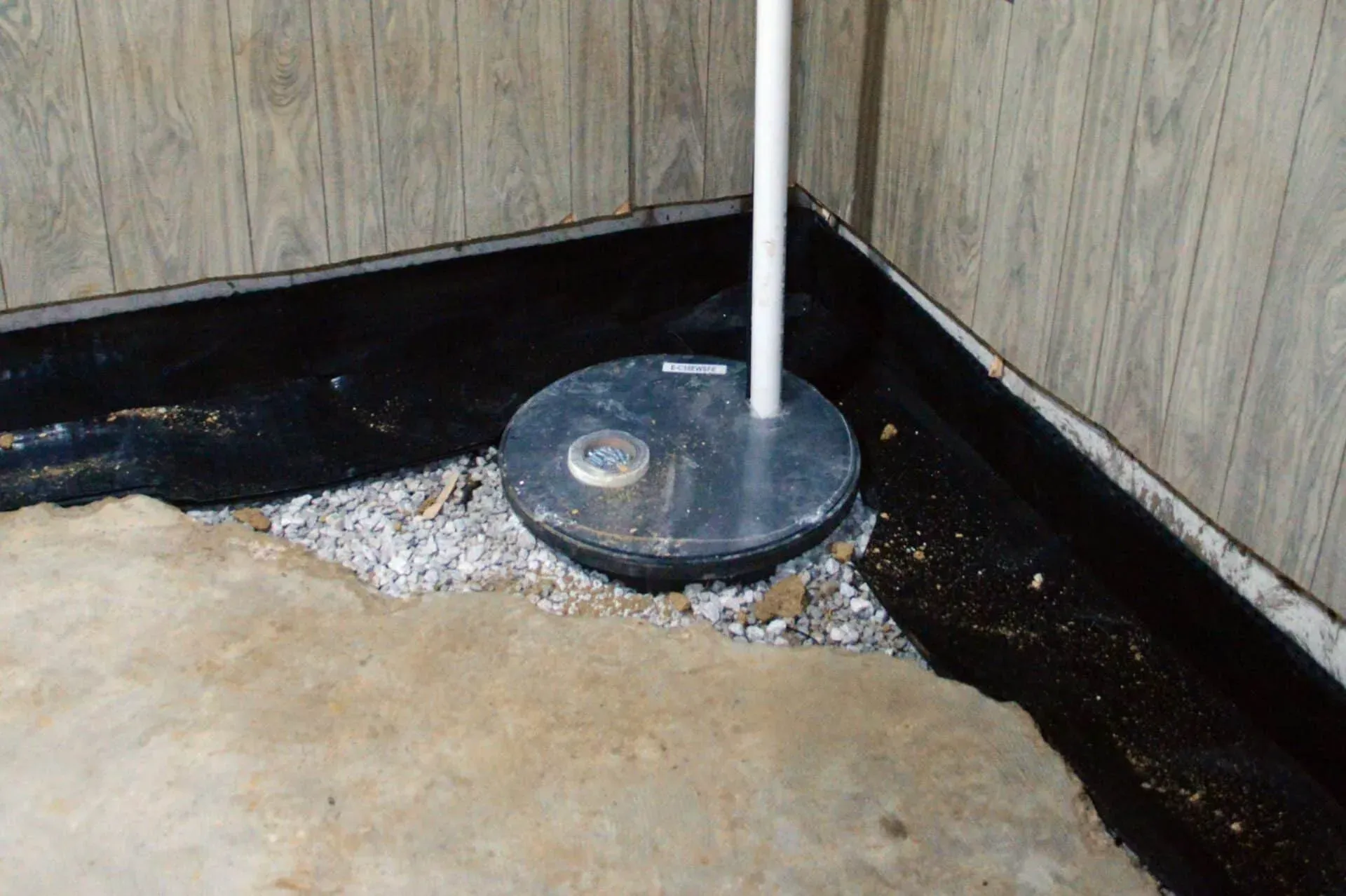
Lift the lid on a sump basin and one of the first things we notice is the waterline. We look at where the pump is sitting, whether the float has room to move, what enters the basin, and how the discharge pipe leaves it. A pump can look perfectly fine sitting quietly at the bottom, but the real test is what happens once that water starts rising.
That’s how we approach Sump Pumps in Alpharetta. We aren’t only checking whether a motor turns on. We want to see the entire pumping cycle work, from water entering the basin to the discharge system carrying it away. If you need a sump pump installed or want an existing setup inspected, contact Crawl Space Ninja online to schedule an inspection.
After an Alpharetta Downpour, Water Can Keep Moving
A summer storm can move through Alpharetta quickly, but conditions underneath a home don’t necessarily change just as fast. The grass may already be drying while water is still making its way into a sump basin below. That’s one reason checking the pit itself tells us more than standing outside and looking at the weather.
Properties around Windward Parkway and Northwinds can also have noticeable changes in elevation across the lot, something that’s common throughout Alpharetta’s rolling Piedmont landscape. We don’t assume that slope tells us what’s happening beneath a particular home. Instead, we look at where water is actually reaching the system and how the sump pump handles it once it gets there.

We Start With the Pump Sitting in Front of Us
Before testing anything, we take a close look inside the basin. Sometimes that means kneeling beside a basement pit. In a crawl space, it may mean getting down beside the basin with a flashlight and working around pipes, ducts, or framing just to get a good view.
We’re checking details such as:
- Pump position: Is the unit sitting properly in the basin?
- Float clearance: Can the switch move without hitting the wall, pipe, or another component?
- Incoming water: Where is water entering the basin?
- Debris: Is loose material collecting around the pump or switch?
- Discharge connection: How does the piping leave the pump and basin?
- Water marks: Do visible lines inside the basin tell us anything about previous water levels?
Those details give us a starting point. A pump isn’t operating by itself in an empty container, so we want to understand the setup before we watch it run.
We Watch What the Waterline Does
This is the part of a sump-pump inspection that matters most. When conditions allow us to observe or check operation, we watch the water level and the pump together.
The sequence should make sense:
- Water rises inside the basin.
- The switch reaches its activation point.
- The pump starts.
- Water moves through the discharge pipe.
- The waterline inside the basin falls.
- The pump reaches its shutoff point.
That sounds simple, but watching the sequence can tell us much more than hearing a motor humming below the floor. If the pump turns on but the waterline isn’t dropping as expected, we have something else to investigate.
Hearing the Pump Run Is Only Half the Test
Homeowners sometimes tell us, “I heard the sump pump running, so I figured it was working.” That’s understandable, but a running motor doesn’t automatically tell us how effectively the system is moving water.
We want to see the basin level change. We also pay attention to how long the unit runs and what happens when it shuts off. A pump that starts, stops, and then immediately starts again gets our attention because something about the cycle deserves a closer look.
The sounds matter, too. We’re not diagnosing a system from noise alone, but unusual cycling or changes in the way the pump and discharge piping sound can give us another reason to inspect a component more closely.
What Happens When the Pump Shuts Off?
Once the pump has pushed water upward through the discharge pipe, gravity would happily send some of that water right back toward the basin. A check valve is designed to limit that backward flow.
That’s why we don’t stop watching the moment the motor shuts down. We pay attention to what happens immediately afterward. If a large amount of water returns to the basin, the pump may have to handle some of the same water again.
From a technician’s perspective, the check valve is a relatively small component with an important place in the pumping cycle. The pump, switch, discharge piping, and valve all have to work as parts of the same setup.
We Follow the Discharge Beyond the Basin
Moving water out of the pit is only part of the job. We also want to know where that water is headed.
On an Alpharetta property with changing grades, the discharge arrangement needs to make sense for the actual site. A house closer to Windward may have a completely different yard layout than a property farther south toward Old Milton Parkway, so we don’t assume every discharge setup should look identical.
When inspecting visible portions of the system, we’re considering:
- Pipe routing: How does the discharge line travel away from the pump?
- Connections: What condition are the visible fittings and connections in?
- Check valve: How is backward flow controlled after shutdown?
- Exterior termination: Where is pumped water released?
- Visible obstructions: Is anything interfering with the discharge path?
This is where the sump pump’s job connects to the property around it. Water has reached the final collection point inside; now it needs somewhere appropriate to go.
A Dry Basin Doesn’t Prove the Pump Is Ready
One of the tricky things about sump pumps is how easy they are to forget during dry weather. You can open the lid, see a pump sitting quietly at the bottom, and assume everything is fine.
But a dry pit isn’t much of a performance test. The pump becomes important when water starts arriving, which may be months after a homeowner last looked at it. A stuck switch, debris around the pump, or another operational problem is much better discovered during an inspection than during a hard Alpharetta rain when the basin is actively filling.
That’s why an existing pump deserves attention even when nothing dramatic is happening. We’re interested in whether it’s prepared for the conditions that will actually require it to work.
Sump Pumps for Alpharetta Homes
When water reaches a sump basin, there isn’t much room left for the system to pass the job to something else. The switch has to respond, the pump has to move water, the waterline has to fall, and the discharge system has to carry that water out.
If you need a Sump Pump installed or want the existing setup beneath your Alpharetta home inspected, contact Crawl Space Ninja online to schedule an inspection. We’ll look inside the basin, inspect the pump and visible components, watch how the system operates when possible, and evaluate the setup based on the conditions at your home.


Why Choose Our Services?
Crawl Space Ninja Eliminates the Guesswork.

Every decision we make on your job starts with one question: what's actually best for your home and your family.

We stand behind every job with our lifetime warranty, because giving you lasting protection and confidence in your investment.

Our technicians are trained and certified on the system we built and refined ourselves, not a one-size-fits-all fix.

From your first call to the final walkthrough, you’ll stay updated through every step of the process.

Consult, customize, commence. Every job starts with a plan built for your home, not a generic fix.

You'll know the full cost before work begins. No hidden fees, no surprises.