Sump Pump Installation
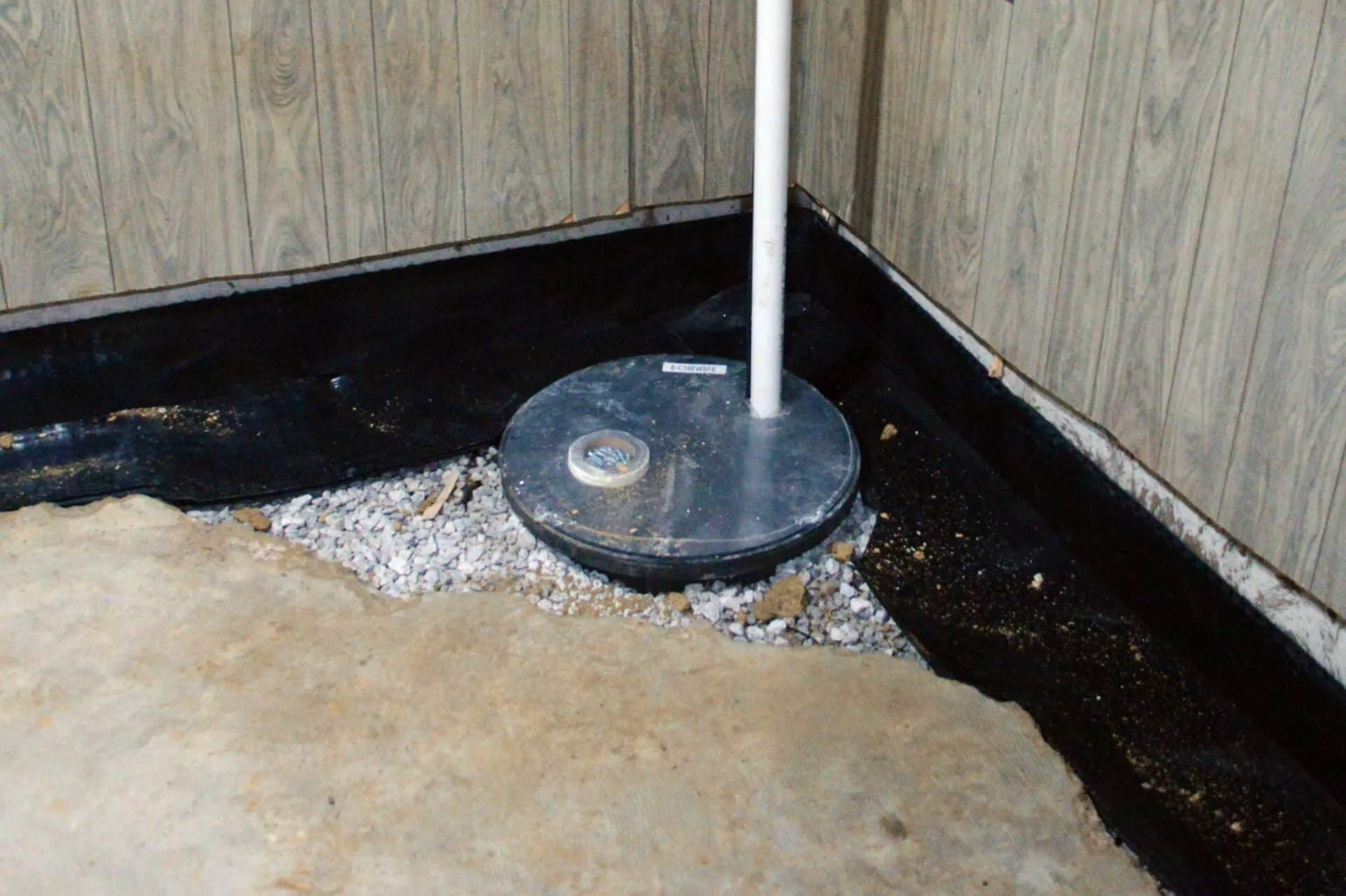
Standing water underneath a Wilmington home rarely collects right beside the crawl-space entrance. It may show up several bays back, leave dark soil along a foundation wall, or settle into a low area after a hard coastal rain. Installing a sump pump means building the system around where that water is actually collecting and how it can be moved out.
Crawl Space Ninja installs sump pumps as part of crawl-space water management in Wilmington. Depending on the property, the system may include interior drainage, a sump basin and pump, discharge piping, and battery-backup protection. The right setup depends on how water is behaving underneath the house, not on installing the same package at every property.
Finding the Right Place for the Sump Basin
The sump basin provides a collection point for water, so placement matters. During an inspection, damp soil, sediment, old water lines, and low areas can help identify where water has been sitting. Sometimes the ground near the access is dry while the soil several piers back is still soft enough to leave a knee print.
Then the installation has to happen in that location. In established Wilmington areas around Carolina Place and Market Street, a crawl space may contain older framing alongside newer plumbing and replacement ductwork. Getting a basin, tools, and drainage materials to the work area can mean navigating around all of it before installation even starts.

Interior Drainage Gets Water to the Pump
A sump pump can be working perfectly while water sits 20 feet away. When water is entering or collecting across a larger section of the crawl space, interior drainage can be used to carry it toward the basin.
This is where the different parts of the service begin working together:
- Interior drainage: Collects water from affected areas and routes it toward the basin.
- Sump basin: Gives that water a dedicated collection point.
- Primary sump pump: Activates when the water reaches the appropriate level.
- Discharge piping: Carries pumped water from underneath the house.
- Battery backup: Provides additional protection when normal electrical power is unavailable.
Not every Wilmington crawl space needs every component. A small, concentrated water problem may require a different setup from recurring water along a larger section of the crawl-space perimeter.
Installing and Testing the Sump Pump
Once the basin and necessary drainage are installed, the pump is set up inside the system. The activation mechanism needs room to operate, discharge connections need to be secure, and important components should remain accessible for future service.
The system is then tested through an operating cycle. Water entering the basin raises the level until the pump activates, and the pump should move that water through the discharge line until the basin level drops again. That complete cycle tells considerably more than simply plugging the pump in and hearing the motor run.
This is also an opportunity to check the basin, connections, and surrounding installation before tools start coming back out of the crawl space.
The Discharge Route Continues Outside
Removing water from underneath the house is only part of the job. The discharge line needs somewhere appropriate to send it once it reaches the exterior.
Around Wilmington, that route can require some planning. A property near Oleander Drive may have established landscaping and a narrow side yard, while a house farther south toward Carolina Beach Road may have a fence, driveway, or HVAC equipment affecting the route. The line still needs to move water away without making normal use of the yard unnecessarily difficult.
Several practical details come into play:
- Distance: Water needs to be discharged away from the crawl-space foundation.
- Grade: The termination shouldn’t encourage water to travel directly back toward the house.
- Obstacles: Fences, shrubs, condensers, patios, and walkways can affect routing.
- Daily use: Gates, trash-can paths, and mower routes still need to function.
- Access: Important system components need to remain serviceable.
A discharge line that creates another water problem outside hasn’t finished the job.
Battery Backup Adds Another Layer of Protection
Wilmington homeowners are familiar with thunderstorms, tropical weather, and periods of heavy rainfall. Those same events can also bring power interruptions, which matters when the primary sump pump depends on household electricity.
Battery backup provides an additional pumping option when normal power isn’t available. It doesn’t replace a properly installed primary pump, but it can keep the system from being completely dependent on utility power during a water event.
That option can be particularly worth discussing when a crawl space has a documented history of taking on water during heavy rain. The backup can then be included as part of the overall sump-pump system rather than treated as an unrelated add-on.
Wilmington Crawl Spaces Can Change the Installation
A sump pump looks simple sitting on a workbench. Underneath a house, the installation can be a different story.
A basin may need to go beyond several piers with an HVAC trunk crossing the easiest route. Drainage may need to continue around plumbing before reaching the collection point. On the exterior, mature landscaping, narrow side yards, or an established walkway may affect where the discharge can go.
Those conditions can vary across Wilmington. A house near Greenfield Lake and Burnett Boulevard may give the crew a different crawl-space layout and exterior route from a property near Sunset Park or farther east toward Masonboro Sound and the Intracoastal side. The local landmark helps describe where the truck is parked, but the conditions underneath the house determine how the system gets installed.
More Than a Pump in a Basin
Some water problems call for a complete water-management setup rather than a pump by itself. Interior drainage may be needed to collect water from affected areas before the sump can remove it. A battery backup may be appropriate when continued pumping during an outage is a priority.
Each component has a specific job. Drainage brings water to the collection point. The basin holds it. The pump removes it. The discharge carries it away. Backup protection provides another pumping option when normal electricity is unavailable.
Keeping those jobs separate makes it easier to build the system around the actual problem instead of installing equipment that doesn’t address how water is moving through the crawl space.
Sump Pump Services in Wilmington, NC
Crawl Space Ninja installs sump-pump systems for Wilmington homeowners dealing with crawl-space water. Service options can include sump basins, primary pumps, interior drainage, exterior discharge piping, and battery-backup protection, with the system configured around the conditions found at the property.
From Carolina Place and Greenfield Lake to Sunset Park, Carolina Beach Road, and Masonboro Sound, Wilmington homes can present very different crawl-space and exterior layouts. The sump-pump system needs to fit the house in front of it.
If water is collecting underneath your Wilmington home, contact Crawl Space Ninja online to schedule an inspection and determine which sump-pump and drainage options fit the property.


Why Choose Our Services?
Crawl Space Ninja Eliminates the Guesswork.

Every decision we make on your job starts with one question: what's actually best for your home and your family.

We stand behind every job with our lifetime warranty, because giving you lasting protection and confidence in your investment.

Our technicians are trained and certified on the system we built and refined ourselves, not a one-size-fits-all fix.

From your first call to the final walkthrough, you’ll stay updated through every step of the process.

Consult, customize, commence. Every job starts with a plan built for your home, not a generic fix.

You'll know the full cost before work begins. No hidden fees, no surprises.