Wilmington Sagging Floor Repair
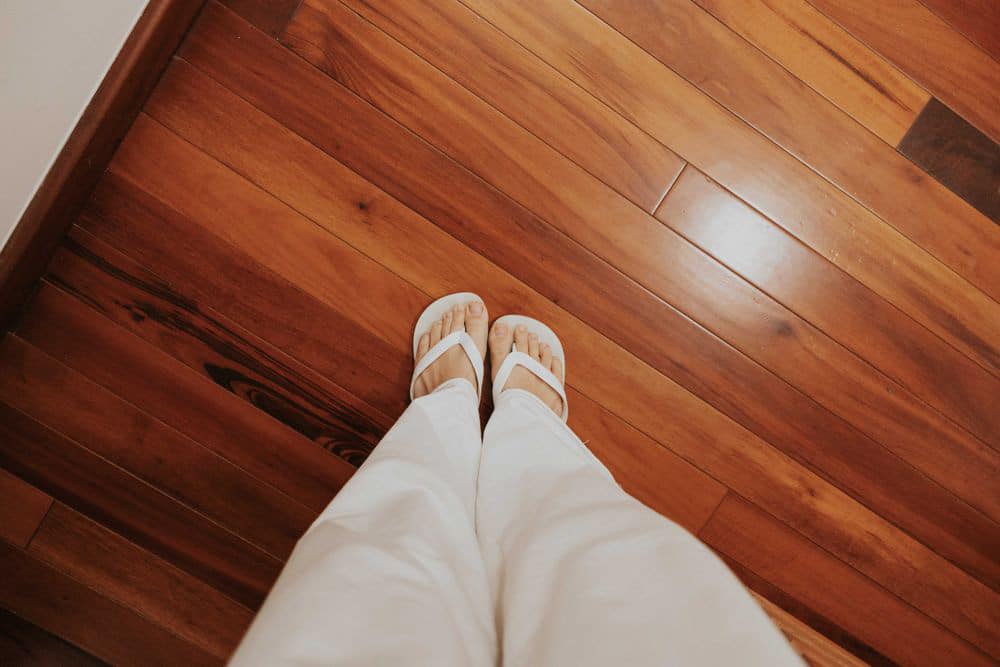
When a Wilmington homeowner tells us the floor is sagging, we don’t automatically know what the repair will look like. One floor may bounce when someone walks across the living room. Another slopes toward a doorway, while another has a soft section that feels completely different from the flooring around it. Those symptoms can lead us to different conditions once we crawl underneath.
That’s why Sagging Floor Repair isn’t one product or one fix. Depending on what we find, the repair may involve reinforcing weakened floor joists, sistering damaged joists, adding support beneath an area that needs it, or addressing moisture-related conditions before floor-support work makes sense. Crawl Space Ninja starts by figuring out which approach fits the accessible floor system instead of selling every Wilmington homeowner the same repair.
Some Floors Need More Support, Not More Guesswork
One of the first things we determine underneath the house is how the floor is being supported in the problem area. If the homeowner feels movement near the dining-room table, we locate that section from below and inspect the joists, beams, and existing supports around it. Then we’ll move farther back and sight along the framing to see how that area compares with the floor around it.
This can get interesting in established Wilmington neighborhoods such as Carolina Place and Carolina Heights. Around Market Street and Wrightsville Avenue, older houses may have crawl spaces where original framing shares space with newer plumbing, replacement ducts, wiring, and previous repairs. We don’t assume age caused the sag, but we do need to understand what’s already underneath before adding anything else.
If an accessible section needs additional support within the confirmed repair scope, the solution can be designed around that specific area. The important part is putting support where the floor system actually needs it instead of filling the crawl space with posts simply because the floor upstairs feels uneven.
Jack Posts and Supplemental Support May Fit a Different Problem
Another floor may have joists that aren’t necessarily the only issue. The floor system may need additional support beneath a larger area, which can make support posts or jack posts part of the repair conversation.
Crawl Space Ninja describes jack posts as an option for extensive floor bouncing, with the posts supporting the floor system from a secure base. The objective isn’t to crank upward on the floor as hard as possible. The amount and placement of support need to match what the floor system requires.
When we’re evaluating this type of repair, we’re looking at:
- Support location: Where does the floor actually need additional support?
- Existing framing: What beam or floor components would the support serve?
- Working room: Can the area be accessed and repaired properly?
- Base conditions: What will the support bear on?
- Floor response: Is stabilization or another repair approach appropriate for the condition?
Those decisions happen underneath the house, not from standing in the room above and guessing where a post should go.
Sometimes a Damaged Joist Changes the Repair
A soft or damaged joist gives us a different conversation than a floor that’s simply moving too much. Moisture, wood-decaying fungus, termite damage, cracking, or other deterioration can affect the framing itself. Crawl Space Ninja specifically notes that damaged joists may require sistering and that the cause of the damage should be addressed before the floor repair is treated as complete.
That’s particularly important in Wilmington because we’re working in a humid coastal environment. We aren’t going to blame every sagging floor on humidity, but when we crawl underneath and find damp materials or visible deterioration, we can’t pretend those conditions are unrelated to the repair we’re planning.
In established areas around Sunset Park, Carolina Beach Road, or Westbrook-Ardmore, we may also encounter previous work alongside the original framing. Before reinforcing anything, we need to determine which material is sound, which area needs repair, and whether another condition needs attention first.
One Wilmington House May Need More Than One Repair Approach
Sometimes we find that the best plan isn’t a single repair method. One section may need joist reinforcement while another needs additional support. If moisture-related deterioration is involved, that condition may also need to be addressed as part of the overall plan before or alongside the floor-support work.
That’s why we don’t want to quote a Sagging Floor Repair solution based only on what the floor feels like upstairs. A house farther east toward Masonboro Sound can have a completely different crawl-space layout from an early-20th-century home around Carolina Place, and Wilmington officially recognizes both areas for their distinct historic housing. The address gives us context, but it doesn’t choose the repair.
The options we evaluate can include:
- Joist reinforcement: Strengthening an accessible weakened floor joist.
- Joist sistering: Adding a structural member alongside an existing joist when appropriate.
- Additional support: Using an appropriate support approach beneath an area that needs reinforcement.
- Combination repairs: Addressing more than one support condition when the floor system requires it.
- Related moisture correction: Addressing documented crawl-space moisture conditions that contributed to deterioration, when within confirmed service scope.
The inspection determines which of those options belongs in the conversation.
The Repair Still Has to Work in the Real Crawl Space
Once the repair is selected, we have to install it in whatever workspace the house gives us. That may mean carrying materials past an HVAC trunk, working between plumbing lines, or crawling several bays beyond the access before we can even reach the affected area.
Homes around Wilmington’s older neighborhoods can make this particularly noticeable. Sunset Park, for example, includes houses dating across several decades and is roughly bounded by Carolina Beach Road, Southern Boulevard, Burnett Boulevard, and Sunset Avenue. We aren’t repairing a historic district, though. We’re underneath one particular house trying to fit the appropriate repair around the framing and utilities that are actually there.
That’s the part of Sagging Floor Repair that doesn’t show up when someone simply says, “put a jack under it.” The repair has to be selected, positioned, installed, and checked as part of the existing floor system.
Sagging Floor Repair Options for Wilmington Homes
If your floor slopes, bounces, feels soft, or has developed a noticeable low area, there isn’t one repair we can name without looking underneath. The right approach may involve reinforcing joists, sistering damaged framing, adding support, addressing a related moisture condition, or combining repair methods based on what the accessible floor system shows.
Crawl Space Ninja can inspect your Wilmington crawl space and determine which Sagging Floor Repair options fit the problem we’re actually seeing. Contact us online to schedule an inspection, and we’ll evaluate the floor-support system before recommending the repair.


Why Choose Our Services?
Crawl Space Ninja Eliminates the Guesswork.

Every decision we make on your job starts with one question: what's actually best for your home and your family.

We stand behind every job with our lifetime warranty, because giving you lasting protection and confidence in your investment.

Our technicians are trained and certified on the system we built and refined ourselves, not a one-size-fits-all fix.

From your first call to the final walkthrough, you’ll stay updated through every step of the process.

Consult, customize, commence. Every job starts with a plan built for your home, not a generic fix.

You'll know the full cost before work begins. No hidden fees, no surprises.