Wilmington Yard Drainage
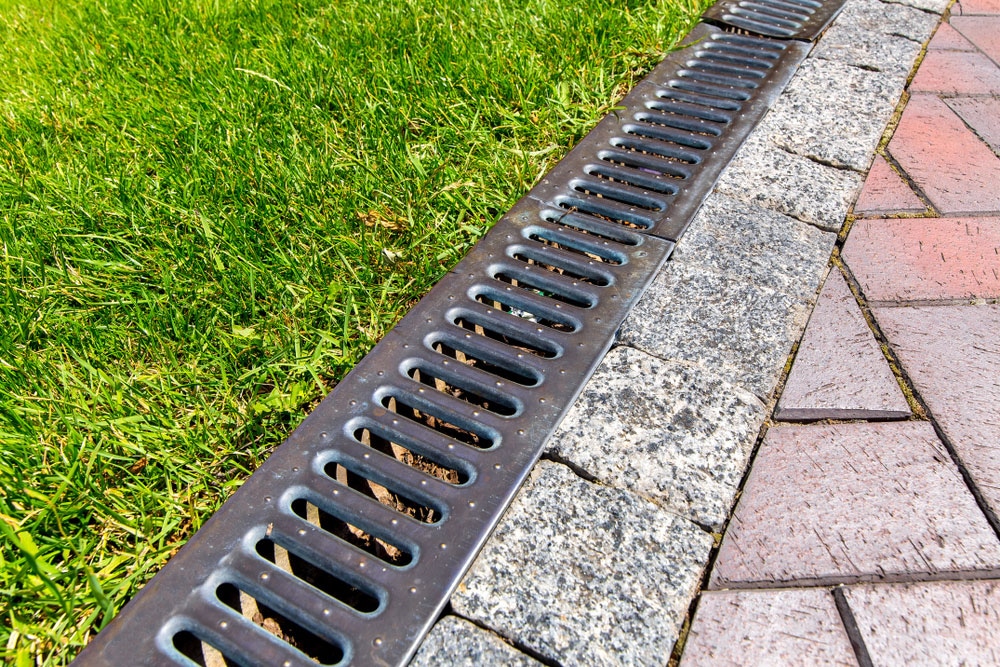
The rain stopped yesterday, but one corner of the yard still squishes under a boot. The mower leaves a rut there, the dog comes back with muddy paws, and everyone automatically takes the long way around when heading to the gate. When the same section of a Wilmington yard stays wet while the rest of the lawn begins drying, that problem area needs somewhere for the water to go.
Crawl Space Ninja provides yard drainage solutions for Wilmington properties dealing with soggy ground, standing water, and runoff around the home. The job starts by walking the wet area, finding what is feeding it, and determining how the water can be collected and moved without making the rest of the yard harder to use.
Start Where the Yard Stays Wet
Homeowners usually know exactly where a drainage inspection needs to begin. It’s the strip beside the fence that stays soft, the low spot near the patio, or the side yard where shoes sink after a hard Wilmington rain.
Those areas leave clues even after standing water disappears. A boot heel may sink farther on one side of the lawn. Pine straw can be washed out of a bed and left in a crooked line across the grass. Mulch, sediment, flattened grass, and shallow channels can show where runoff traveled.
From there, the property can be walked in both directions. The important question isn’t simply why the grass is wet. It’s where the water is coming from and where it can realistically be sent.
Different Wet Areas Call for Different Drainage
Yard drainage isn’t one product installed the same way at every house. Water collecting in a broad low area can require a different approach from roof runoff repeatedly dumping beside the foundation.
Depending on the conditions found at the property and the appropriate drainage service, the solution may involve:
- Catch basins: Collect surface water where runoff repeatedly gathers.
- French drains: Help collect and move water through persistently wet ground.
- Downspout drainage: Carries concentrated roof runoff farther from the house.
- Buried drainage pipe: Provides a route for collected water across the property.
- Combined drainage: Uses more than one component when several sources contribute to the same wet area.
The equipment matters, but placement matters just as much. A catch basin installed a few feet away from where water actually settles won’t accomplish much.
Read the Yard After a Wilmington Downpour
Some of the best drainage evidence appears after the storm has passed.
A summer downpour can leave one side of a Wilmington property relatively firm while a shaded strip along the fence still gives underfoot the following day. Near the house, washed mulch may point toward the lawn. Farther out, a shallow sediment line can continue the same path toward the spot that stays soggy.
Sometimes it helps to crouch down and sight across the lawn. A change in grade that is difficult to notice while standing can become obvious from a lower angle. The same technique can reveal a shallow depression between the house and backyard that explains why water keeps settling there.
That physical evidence is more useful than guessing based on which corner looks lowest from the driveway.
Build Drainage Around the Yard People Actually Use
A drainage system still has to coexist with everyday life.
On an established property near Oleander Drive, the available route may run between foundation landscaping and an HVAC condenser. Another yard may have a wooden gate directly in the easiest path. Trash cans still have to roll through the side yard, the mower needs access to the backyard, and a buried drainage route shouldn’t create unnecessary problems around a patio or walkway.
That means the installation plan has to account for more than water:
- Gates and fences: Access shouldn’t be unnecessarily restricted.
- Driveways and sidewalks: Hard surfaces can change both runoff and routing.
- HVAC equipment: Drainage needs to work around condensers and utility areas.
- Landscaping: Established shrubs, beds, and roots can affect installation.
- Daily traffic: The finished yard still needs to work for people, pets, and lawn equipment.
The point is to make the problem area more usable, not trade a muddy lawn for an inconvenient drainage system.
Follow the Route Before Digging
Once a likely drainage route is identified, it needs to be followed from collection point to discharge before excavation begins.
A route that looks simple from the wet spot may run directly into a gate opening, large root zone, utility area, patio edge, or other obstacle. Walking and marking the proposed path gives those conflicts a chance to show up before the ground is opened.
This becomes especially important on Wilmington properties with tighter side yards and mature landscaping. Around Carolina Place or the established streets near Greenfield Lake, there may not be a wide-open strip of grass available for drainage work. The route has to fit the property that’s actually there.
Wilmington Has a Long History of Managing Runoff
Drainage is a familiar issue throughout Wilmington. The city’s stormwater network includes pipes, ditches, culverts, ponds, creeks, wetlands, and other infrastructure used to manage runoff. Wilmington is also completing drainage improvements in the Wisteria/Clearbrook area south of Oleander Drive, including work around Wisteria Lane, Ruxton Way, Weeping Willow Road, Dogwood Lane, and 58th Street.
A residential yard obviously operates on a much smaller scale, but the basic challenge is recognizable. Rain falls onto roofs, driveways, patios, and lawns, then follows the available grade toward lower areas.
That local context makes it especially important to evaluate the individual property instead of assuming every soggy Wilmington yard needs the same drainage system.
Install From the Collection Point to the Outlet
Once the route is established, installation can begin around the type of drainage being used. That may mean excavating for pipe, setting collection points at the proper elevation, preparing a French drain, connecting roof runoff, or combining several components.
This is where the plan drawn across the lawn becomes an actual working system. Pipe needs the appropriate route, collection points have to sit where water can reach them, and connections need to stay secure once everything is back in the ground.
The outlet matters too. Moving water out of the wet spot doesn’t help if it simply creates another puddle ten feet away or immediately returns toward the house.
The Final Test Is Simple: Can You Use the Yard Again?
The purpose of yard drainage isn’t to bury pipe. It’s to improve the part of the property that hasn’t been working.
That means going back to the same places that started the service call. The strip the mower couldn’t cross. The muddy approach to the gate. The low area beside the patio. The section where the dog always came back with muddy feet.
A drainage system should help those areas handle water more effectively so the yard can get back to being part of the property instead of something everyone learns to walk around.
Yard Drainage Services in Wilmington, NC
From established yards near Greenfield Lake and Oleander Drive to properties farther south toward Carolina Beach Road and east toward the Bradley and Hewletts Creek watershed areas, Wilmington properties can handle runoff very differently. Crawl Space Ninja evaluates the problem area, identifies practical drainage options, plans the route, and installs the system around the property.
If part of your Wilmington yard stays soggy, holds standing water, or repeatedly turns muddy after rain, contact Crawl Space Ninja online to schedule an inspection and find the right yard drainage solution for your property.


Why Choose Our Services?
Crawl Space Ninja Eliminates the Guesswork.

Every decision we make on your job starts with one question: what's actually best for your home and your family.

We stand behind every job with our lifetime warranty, because giving you lasting protection and confidence in your investment.

Our technicians are trained and certified on the system we built and refined ourselves, not a one-size-fits-all fix.

From your first call to the final walkthrough, you’ll stay updated through every step of the process.

Consult, customize, commence. Every job starts with a plan built for your home, not a generic fix.

You'll know the full cost before work begins. No hidden fees, no surprises.