Wilmington Drainage Services
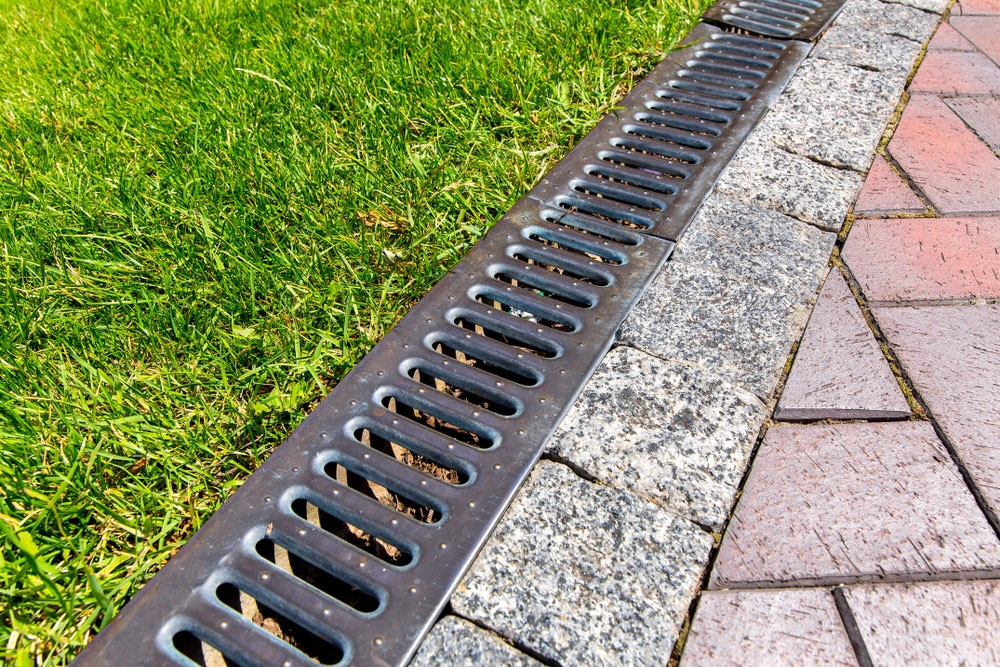
Every yard has a route people naturally take, whether it’s from the driveway to the backyard gate, from the patio to the shed, or around the side of the house. When drainage becomes a problem, homeowners start changing that route without thinking about it. They step around the soft corner, tell the kids to stay out of the mud, or swing wide with the mower because they already know where the tires will sink.
That’s the kind of problem our Drainage Services are designed to address. At Crawl Space Ninja, we evaluate the trouble area, identify what’s contributing to it, and determine how drainage can better manage the unwanted water. If you’ve learned to avoid the same soggy section of your Wilmington yard after every hard rain, contact us online to schedule an inspection.
Show Us the Part of the Yard You Avoid
Homeowners usually know exactly where to take us. It may be the section behind the patio that stays soft, a strip between the house and fence that turns muddy, or a backyard low spot that holds water after the rest of the lawn has dried. Some homeowners can tell us how many dry days they normally wait before they’re willing to push the mower through it again.
We walk the area and look for physical clues. Flattened grass, washed pine straw, sediment along landscape edging, or soil soft enough that one boot sinks farther than the other can help show how water has been behaving. We also ask what the homeowner sees during Wilmington’s harder rains because the yard may look considerably different by the time we arrive.
That gives us a real problem area to work from rather than starting with a predetermined drainage system.
Figure Out What Is Feeding the Wet Area
The lowest spot isn’t necessarily where the drainage problem begins. Water may be arriving from several directions before collecting in the place the homeowner notices most.
A nearby downspout might add concentrated roof runoff. Water can leave a driveway or patio and move into the lawn, while another portion arrives across the surrounding ground. We inspect those possibilities before deciding where drainage work belongs.
We may look at:
- Roof runoff: Where are nearby downspouts discharging?
- Hard surfaces: Where does water leave patios, walkways, or driveways?
- Ground conditions: Are there visible low areas or runoff paths?
- Existing drainage: Are swales, ditches, drains, or other features already present?
- Storm evidence: Do flattened grass, sediment, or shifted pine straw show a route?
This keeps the service tied to what’s actually happening on the property. We’re not automatically putting drainage beneath the biggest puddle simply because that’s the easiest symptom to see.
Wilmington Makes Drainage a Local Issue
Spend enough time around Wilmington and you start noticing how visible drainage is. The city uses storm drains, pipes, culverts, ponds, creeks, wetlands, and more than 225 miles of open ditches and channels to manage runoff. Local watersheds ultimately drain toward either the Cape Fear River or the Intracoastal Waterway.
You can see pieces of that drainage landscape around places like Greenfield Lake and in the Hewletts Creek and Bradley Creek watersheds. Near Oleander Drive, the city is currently improving drainage infrastructure along a corridor that carries runoff toward a tributary of Hewletts Creek. Those larger systems don’t diagnose what’s happening in someone’s backyard, but they illustrate how important water movement is throughout Wilmington.
At a house, we’re working on a much smaller scale. A shallow low spot, narrow side yard, driveway edge, or existing swale may be the feature that matters most to that particular drainage project.
Walk the Route Before Opening the Ground
Once we know what needs to be managed, we walk the proposed drainage route. A line that looks easy from the muddy area can get complicated twenty feet away when it reaches a walkway, fence, gate, landscape bed, utility, or mature shrub. Seeing those obstacles beforehand gives us a chance to plan around the property instead of improvising after work has started.
We also think about how the homeowner uses the yard. A drainage route shouldn’t unnecessarily interfere with mowing, backyard access, landscaping maintenance, or the path everyone uses to roll trash cans toward the street. Established Wilmington yards can pack quite a bit into the space between the house and property line.
Before settling on the route, we’re considering:
- Access: Will gates and commonly used paths remain practical?
- Landscaping: What established beds, trees, or shrubs affect the route?
- Utilities: What existing features need to be accounted for?
- Maintenance: How will the finished area work when it’s time to mow?
- Destination: Does the proposed route have a sensible ending point?
Sometimes we’ll walk one option, turn around, and try another. A few extra minutes above ground can make the drainage plan much clearer.
Installing Drainage Around the Property
Once the problem area and route are established, installation can follow the plan we’ve already developed. The drainage solution needs to address the water condition identified during the inspection rather than simply putting pipe underground wherever the yard happened to be wet.
The specific setup can vary with the property and the drainage solution being installed. What matters is that the work makes sense from the area we’re trying to improve through the route we’ve selected. Landscaping, access areas, and obstacles remain part of the job while installation is underway.
We also pay attention to where managed water is intended to end up. Fixing the muddy section beside a patio isn’t much of an improvement if the same water creates another soggy spot farther across the lawn or gets directed toward a neighboring property.
Drainage Services for Wilmington, NC Homes
If you already know which section of the yard to avoid after a Wilmington downpour, that’s where we’ll start. Crawl Space Ninja can evaluate recurring standing water, soggy ground, muddy lawn, and other drainage concerns to determine what solution makes sense for the property.
Contact Crawl Space Ninja online to schedule a Drainage Services inspection in Wilmington. We’ll walk the problem area with you, evaluate what’s contributing to it, plan the work around your property, and develop a drainage solution aimed at making that frustrating part of the yard usable again.


Why Choose Our Services?
Crawl Space Ninja Eliminates the Guesswork.

Every decision we make on your job starts with one question: what's actually best for your home and your family.

We stand behind every job with our lifetime warranty, because giving you lasting protection and confidence in your investment.

Our technicians are trained and certified on the system we built and refined ourselves, not a one-size-fits-all fix.

From your first call to the final walkthrough, you’ll stay updated through every step of the process.

Consult, customize, commence. Every job starts with a plan built for your home, not a generic fix.

You'll know the full cost before work begins. No hidden fees, no surprises.