Radiant Barrier Installation in Lafayette, GA
An overheated attic can transfer substantial heat into your living space, forcing your air conditioner to work harder during North Georgia’s hottest months. Crawl Space Ninja offers radiant barrier installation in Lafayette, GA, helping homeowners reduce radiant heat transfer through properly selected reflective insulation systems. Our team evaluates attic construction, existing insulation, ventilation, and roofline conditions before recommending an installation designed around the home’s actual cooling challenges.
Radiant barriers work differently from traditional insulation. Instead of primarily resisting heat conduction, they reflect radiant energy and reduce heat transfer between hot roofing materials and cooler attic surfaces. Proper placement is essential, since reflective materials need an adjacent air space to perform as intended.
Call us at (888) 541-1998 or arrange a free attic inspection online to find out if radiant barrier installation is right for your Lafayette home.
How Radiant Barriers Reduce Attic Heat in Lafayette Homes
During summer, solar radiation heats roofing materials, which then transfer energy into the attic. Roof decking can become considerably hotter than the surrounding air, radiating heat toward attic insulation, ductwork, and other surfaces. As these materials warm, additional heat can enter the living areas below.
Crawl Space Ninja evaluates radiant heat alongside conductive heat transfer and uncontrolled airflow. A properly positioned barrier can reduce radiant heat gain, help limit attic temperature extremes, and decrease cooling demands under suitable conditions. The greatest benefit generally occurs when roof exposure, attic configuration, and existing insulation make radiant heat a significant contributor to indoor temperatures.
Attic Evaluation Before Reflective Insulation Installation
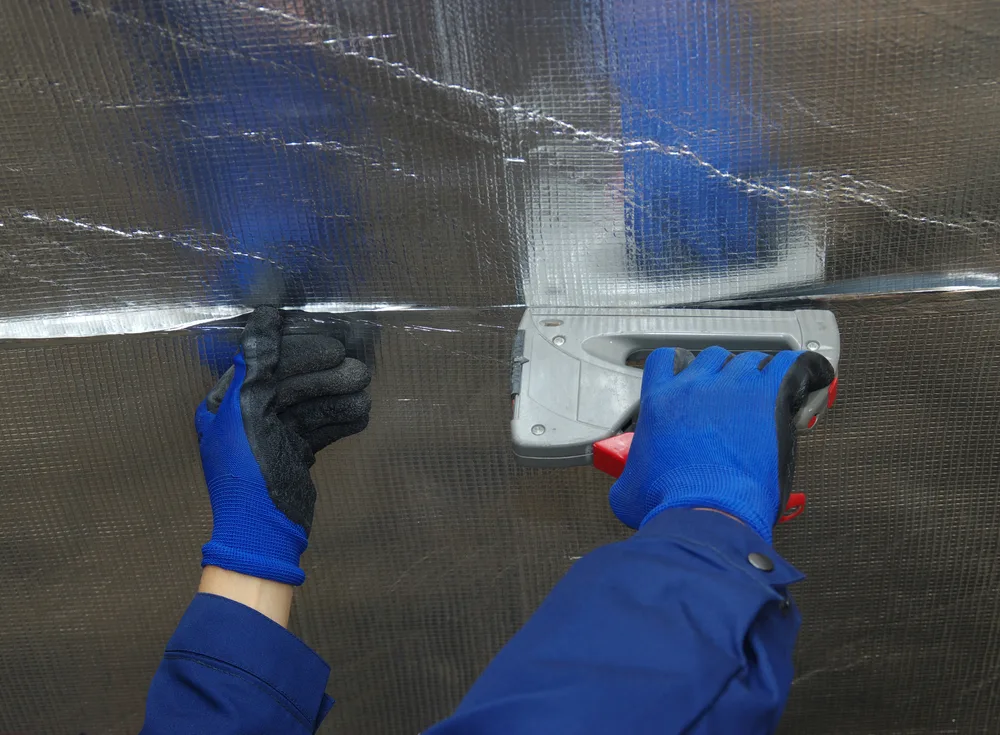
Not every attic benefits equally from a radiant barrier. Roof orientation, shading, insulation depth, ventilation, and mechanical equipment all affect potential results. Installing reflective material in the wrong location can reduce effectiveness or create moisture concerns, particularly when ventilation and condensation risks are overlooked.
Our inspection identifies the appropriate installation method before materials are selected.
- Roofline assessment: We examine accessible rafters, trusses, roof decking, and attic geometry to determine suitable coverage areas.
- Existing insulation review: We evaluate insulation depth, coverage gaps, and conditions that may contribute to unwanted heat transfer.
- Ventilation inspection: We consider soffit, ridge, and other attic ventilation pathways that must remain functional.
- Moisture evaluation: We look for condensation, roof leaks, and signs of elevated attic humidity before introducing additional materials.
- Radiant barrier selection: We recommend suitable reflective products based on attic configuration, durability, and applicable fire safety requirements.
- Installation verification: We check material placement, required air spaces, coverage, and clearance around attic equipment.
Our goal is to install reflective insulation where it can meaningfully reduce radiant heat transfer without interfering with the attic’s existing ventilation or moisture management.
Radiant Barrier and Reflective Insulation Services in Lafayette, GA
Radiant barriers are available in several forms, including aluminum foil products and reflective materials incorporating insulating layers. Their effectiveness depends on surface reflectivity, installation orientation, and maintaining the air gap necessary for radiant heat reduction.
We offer attic radiant barrier options and supporting insulation improvements selected for the property’s construction and thermal performance needs.
- Attic radiant barrier installation: We install reflective materials in suitable attic locations to reduce radiant heat transfer from hot roof surfaces.
- Aluminum foil radiant barriers: We use lightweight, highly reflective foil products designed to limit radiant energy reaching attic surfaces.
- Reflective bubble insulation: We evaluate multilayer reflective materials incorporating air-filled layers where the product and installation configuration are appropriate.
- Perforated radiant barriers: We consider perforated materials when the attic design calls for greater vapor permeability and suitable ventilation.
- Non-perforated radiant barriers: We assess non-perforated reflective products for applications where their moisture characteristics are compatible with the assembly.
- Roofline radiant barrier coverage: We position reflective material along suitable portions of the roof structure while maintaining necessary ventilation openings and air spaces.
- Attic insulation improvements: We evaluate existing insulation and recommend additional thermal protection when inadequate coverage contributes to unwanted heat transfer.
Radiant barriers supplement conventional insulation rather than replace it. We consider both systems when determining how to reduce attic heat gain and improve indoor comfort.
Questions Lafayette Homeowners Ask About Radiant Barriers
Do radiant barriers work in Georgia’s hot, humid climate?
They can. U.S. Department of Energy guidance indicates radiant barriers are generally most effective in hot climates, which describes much of North Georgia. Humidity makes material selection and ventilation especially important, so we evaluate the attic before choosing perforated or non-perforated products.
Can a radiant barrier lower attic temperatures without adding more insulation?
Yes. A properly installed radiant barrier can reduce radiant heat transfer into the attic, particularly during hot, sunny weather. Traditional insulation still plays an important role in resisting conductive heat flow. We evaluate the existing insulation before determining if reflective materials alone are an appropriate improvement.
Does reflective insulation need an air gap to work?
Yes. A reflective surface needs an adjacent air space to reduce radiant heat transfer effectively. When reflective material is pressed directly against another surface, heat can move through contact instead. We select installation locations and fastening methods that preserve the necessary spacing.
Will a radiant barrier help if my Lafayette attic already has fiberglass insulation?
It may. Fiberglass insulation and radiant barriers address different heat transfer mechanisms. Existing fiberglass slows conductive heat flow, while a radiant barrier reduces radiant energy reaching attic surfaces. The added benefit depends on insulation coverage, roof exposure, and the attic’s overall thermal performance.
Can radiant barriers cause condensation or mold in an attic?
Improper material selection or installation can interfere with moisture movement and contribute to condensation concerns. The risk depends on ventilation, vapor permeability, existing moisture conditions, and placement. We evaluate these factors before selecting perforated or non-perforated products.
Should a radiant barrier be installed on the attic floor or beneath the roof?
Radiant barriers are commonly installed along the underside of the roof structure with an appropriate air space. Placing reflective material directly over attic floor insulation can reduce performance as dust accumulates and may introduce moisture concerns. We evaluate roofline installation options before recommending placement.
Installation Standards That Protect Radiant Barrier Performance
The details of radiant barrier installation matter as much as the material itself. We follow installation practices informed by U.S. Department of Energy guidance, including the importance of reflective surface orientation, appropriate air spaces, and avoiding configurations that compromise performance. We also consider applicable fire safety requirements and the need to keep attic ventilation pathways clear.
Our team explains the recommended installation approach and offers straightforward pricing before approved work begins. Homeowners considering radiant barriers alongside other attic improvements can explore financing options to make the project more affordable. We review product and project details so customers understand the proposed improvements and associated costs. Crawl Space Ninja is backed by more than 1,000 five-star reviews, and qualifying projects are covered by lifetime warranty protection, subject to applicable terms.
Attic Heat Challenges Across Lafayette and North Georgia
We serve homeowners in Lafayette and nearby communities, including Trenton, Summerville, Calhoun, and Chattanooga, TN. North Georgia’s warm summers, frequent sunshine, and humid conditions can place considerable demands on attic insulation and cooling equipment. Roof orientation, shading, and ventilation influence how much solar heat accumulates beneath residential roofing.
Older Lafayette homes may have limited attic insulation, irregular framing, or ventilation systems that need attention before radiant barrier installation. Newer properties can also experience significant attic heat gain, particularly where large roof surfaces receive prolonged sun exposure. We evaluate these construction differences rather than assuming every home needs the same reflective insulation arrangement.
Find Out Where Your Home Is Gaining Unwanted Heat
Excessive attic heat should be evaluated as part of the home’s insulation and ventilation performance, not treated as an isolated temperature problem. Crawl Space Ninja helps Lafayette homeowners determine how radiant heat affects their attics and which reflective insulation improvements are appropriate for their construction. A professional inspection establishes the right installation location, material selection, and supporting improvements needed for better thermal performance.
Contact us at (888) 541-1998 or request an attic insulation evaluation online to discuss radiant barrier installation for your Lafayette home.


Why Choose Our Services?
Crawl Space Ninja Eliminates the Guesswork.

Every decision we make on your job starts with one question: what's actually best for your home and your family.

We stand behind every job with our lifetime warranty, because giving you lasting protection and confidence in your investment.

Our technicians are trained and certified on the system we built and refined ourselves, not a one-size-fits-all fix.

From your first call to the final walkthrough, you’ll stay updated through every step of the process.

Consult, customize, commence. Every job starts with a plan built for your home, not a generic fix.

You'll know the full cost before work begins. No hidden fees, no surprises.
Find Your Closest Crawl Space Ninja!