Crawl Space Repair in Charlotte, NC: Looking at Your Home From the Ground Up
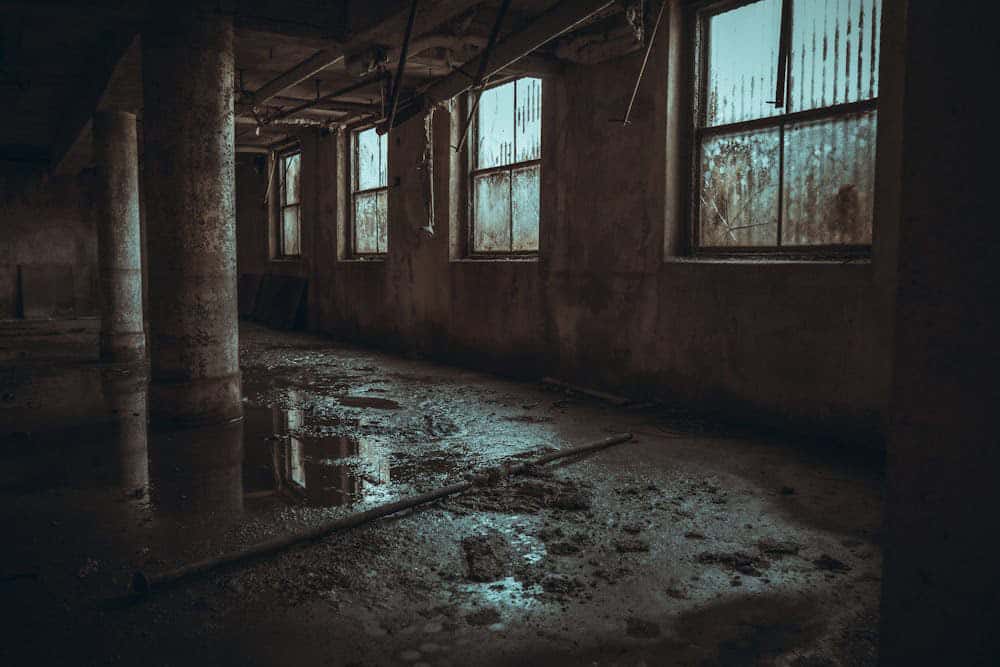
When we’re crawling beneath a Charlotte home, there’s something above, below, and around us worth paying attention to. Overhead are floor joists, insulation, plumbing, and ductwork. Beneath us may be exposed soil, an aging vapor barrier, or evidence of water that came through during the last heavy rain. In between is the crawl-space air surrounding all of it.
Those conditions can affect one another. Fiberglass hanging between the joists may be damp. Wood above it may show staining or visible growth. The ground underneath may look dry near the entrance but tell a different story farther in. Crawl Space Ninja gets underneath the house and works through those clues from the ground to the floor system. contact Crawl Space Ninja online to schedule a crawl space inspection in Charlotte.

Charlotte Homes Look Different From Underneath
Charlotte’s neighborhoods didn’t all develop at the same time or in the same way. Dilworth began in the 1890s as the city’s first suburb. Wesley Heights grew primarily during the 1920s, while Plaza Midwood came together from several developments and contains an unusually varied mix of housing. Around North Davidson Street, historic North Charlotte developed around textile mills and the mill villages that surrounded them.
We don’t assume an older house has a crawl-space problem simply because of its age. But beneath established Charlotte homes, we can encounter years of insulation work, plumbing changes, HVAC upgrades, additions, and previous attempts at controlling moisture. What matters is how those pieces are functioning together today.
Crawl Space Insulation Puts the Problem Right Over Our Heads
Fiberglass can be one of the first things we encounter after entering a crawl space. Sometimes it’s tucked neatly between the joists. Sometimes it’s hanging low enough that we’re crawling through it.
Its condition can give us useful information:
- Sagging insulation: Material is pulling away from the floor system.
- Damp fiberglass: Moisture has reached material that should remain dry.
- Missing sections: Previous plumbing, wiring, or HVAC work may have disturbed it.
- Staining: Discoloration can give us a reason to inspect the surrounding area.
- Insulation on the soil: Fallen material may no longer be doing its job overhead.
Crawl Space Insulation shouldn’t be addressed without looking at the space around it. Beneath a bungalow in Wesley Heights or an established Dilworth home, we may need to work around decades of mechanical changes before we can see exactly what’s happening above us.
Mold Removal Starts With Seeing the Framing
Once hanging insulation is out of our line of sight, we can get a better look at the joists and subfloor.
That’s important when Crawl Space Mold Removal is needed. Visible growth may be concentrated in one section, hidden behind insulation, or difficult to see because plumbing and ductwork block the view. Soda Blasting may be appropriate for cleaning contaminated wood surfaces when conditions call for it.
But clean framing is only part of the equation. If the crawl-space air remains excessively damp or moisture continues reaching the wood, we’ve left an important part of the problem untouched.
That can make a tight crawl beneath an older Plaza Midwood property a hands-on inspection. Homes there range from larger properties along The Plaza to more modest bungalows and cottages on secondary streets. Whatever the house looks like from the curb, we need a clear look at the wood underneath before deciding what needs attention.
Encapsulation Starts at the Ground Beneath Us
Now look down. Exposed soil can continually introduce moisture into a crawl space. An old piece of plastic may cover some of it while leaving large sections exposed around piers, foundation walls, or the edges of the house.
Crawl Space Encapsulation creates a more controlled environment underneath the home. Depending on the conditions, the system can incorporate:
- A ground vapor barrier
- Air sealing
- Crawl Space Humidity Control
- Dehumidification when needed
- A Vent Fan where appropriate
The difference isn’t simply making the crawl space look cleaner. We’re changing the environment surrounding the insulation, ductwork, floor joists, and subfloor above us.
That’s important whether we’re beneath an early-20th-century home near North Davidson Street or another Charlotte property with a completely different layout. We build the moisture-control approach around the crawl space in front of us.
Crawl Space Waterproofing Looks for Water That Shouldn’t Be There
Humidity and groundwater moisture aren’t the same thing as water entering the crawl space. When we find puddles, mud, foundation staining, or areas of persistently wet soil, Crawl Space Waterproofing becomes another part of the investigation.
Charlotte has an extensive network of creeks and drainage areas, including Little Sugar Creek and Briar Creek, but a house doesn’t have to sit beside a creek for drainage around the property to deserve attention.
We may find:
- Mud collected around a pier
- A water line along foundation block
- Soil that’s darker beneath one section
- Debris pushed into a low area
- Water tracks leading across the ground
Those clues give us a place to start outside. We can look at the same side of the foundation, see how the ground meets the house, and determine whether the exterior helps explain what we’ve seen underneath.
Crawl Space Repair Connects the Ground to the Floor Above
By the time we’ve worked through the space, individual symptoms begin to make more sense.
The hanging fiberglass may be directly above an area that stays damp. Wood staining may be concentrated near one foundation wall. An old vapor barrier may leave exposed soil around the entire perimeter. Ductwork may show signs of condensation even though there’s no standing water underneath it.
Crawl Space Repair is where we bring those observations together.
That’s particularly useful in a city with Charlotte’s housing variety. A bungalow in Wesley Heights, an older home in Dilworth, and a house near The Plaza can look very different above ground. Underneath, each still needs the same thing from us: enough inspection to understand the relationship between the soil, moisture, air, insulation, and wood supporting the living space above.
Start at the Bottom of Your Charlotte Home
You probably spend very little time thinking about the few feet between the ground and your floors. But if that space stays damp, collects water, grows mold, or loses insulation, it deserves more than a glance through the access.
If you’ve noticed musty odors, cold or uncomfortable floors, hanging insulation, damp soil, standing water, or visible growth, contact Crawl Space Ninja online to schedule a crawl space inspection in Charlotte. We’ll get underneath the house and look at the space from the soil beneath us to the floor system overhead.


Why Choose Our Services?
Crawl Space Ninja Eliminates the Guesswork.

Every decision we make on your job starts with one question: what's actually best for your home and your family.

We stand behind every job with our lifetime warranty, because giving you lasting protection and confidence in your investment.

Our technicians are trained and certified on the system we built and refined ourselves, not a one-size-fits-all fix.

From your first call to the final walkthrough, you’ll stay updated through every step of the process.

Consult, customize, commence. Every job starts with a plan built for your home, not a generic fix.

You'll know the full cost before work begins. No hidden fees, no surprises.
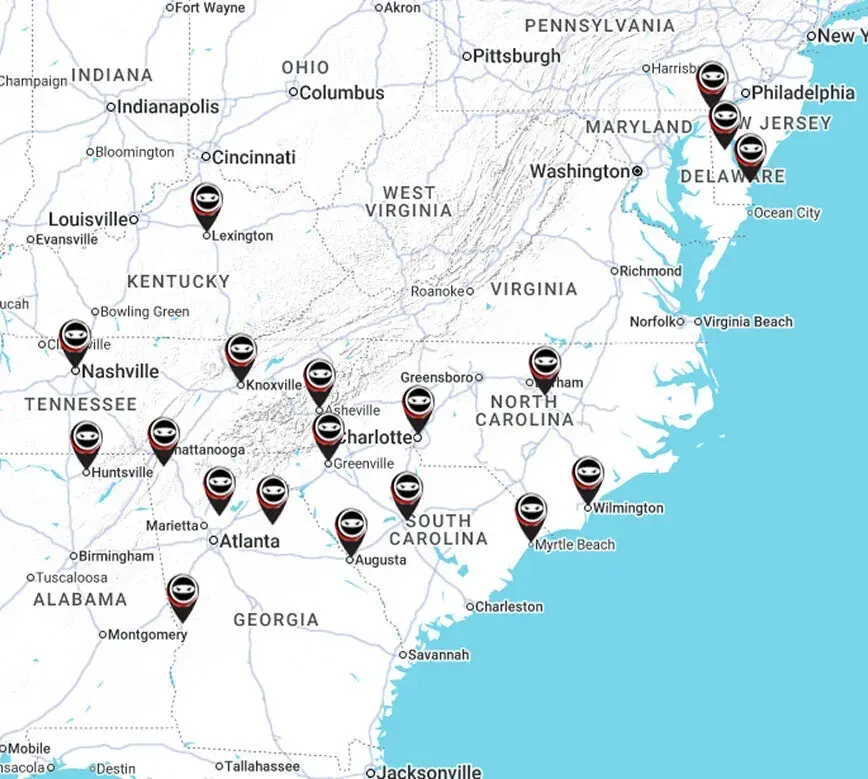
Find Your Closest Crawl Space Ninja!