Basement Waterproofing Services in Huntsville, AL
A basement near Monte Sano can face different water pressures than one farther south around Mountain Gap or Bailey Cove. Move toward Five Points, Jones Valley, or newer development around Research Park, and the homes, lots, and surrounding terrain change again. Basement waterproofing in Huntsville, AL, needs to account for those differences instead of relying on the same solution for every house.
At Crawl Space Ninja, we look at how water reaches your foundation, where it enters, and how to move it away. Our basement waterproofing solutions include Hydraway waterproofing systems, indoor basement drainage, drain tile systems, sump pumps, and dehumidifiers.

Huntsville Gives Water Plenty of Ways to Reach a Basement
You don’t have to live beside Aldridge Creek to experience drainage trouble. More than 90% of the drainage complaints Huntsville receives between major floods involve properties outside mapped floodplains. Some occur along the sides of local mountains, where slopes, swales, and smaller drainage channels affect how runoff moves.
That’s important in a city where Monte Sano rises east of downtown and Green Mountain shapes the landscape farther south. Aldridge Creek runs through South Huntsville, while Pinhook Creek, Indian Creek, Big Cove Creek, and Huntsville Spring Branch drain other portions of the city.
The same principle applies to your property. Roof runoff, grading, soil saturation, and drainage paths all influence how much water eventually reaches the foundation.
What We Look for When Your Basement Gets Wet
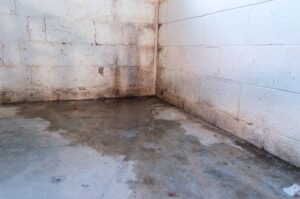
A puddle tells us you have a problem. It doesn’t necessarily tell us where that problem started. Before recommending a waterproofing system, we look for clues inside and outside the basement.
Common warning signs include:
- Water where the basement wall meets the floor
- Damp or discolored foundation walls
- Seepage through cracks or joints
- Mineral deposits on masonry
- Musty odors after wet weather
- High basement humidity
- A sump pump running frequently during storms
We also pay attention to grading and exterior drainage. Huntsville warns property owners that landscaping, fences, grading changes, and blocked drainage paths can interfere with the way stormwater was intended to leave a property. Sometimes what looks like a basement problem actually begins several feet outside the foundation.
Hydraway Waterproofing Systems
The Hydraway Waterproofing System is designed to collect water around the basement perimeter and move it quickly toward the sump system. Instead of simply covering evidence of moisture, we’re giving incoming water a controlled path out.
Hydraway can help:
- Collect water around the basement perimeter
- Move groundwater toward the sump pump
- Reduce water accumulation along floors and walls
- Manage water during periods of saturated soil
Heavy Huntsville rain makes that ability important. In June 1999, about six inches of rain fell in two hours around Aldridge Creek. At Mountain Gap Road, the creek rose roughly eight feet in only 30 minutes. Your basement operates on a much smaller scale, but saturated ground still needs an effective way to release water.
Indoor Basement Drainage
An indoor drainage system gives water entering the basement somewhere to go before it spreads across the floor. The system captures water and directs it toward the sump rather than allowing it to accumulate.
Indoor drainage can:
- Capture water entering around the perimeter
- Redirect it toward a sump system
- Reduce recurring basement water
- Help protect the basement from water damage
The layout matters. An older basement around Old Town may present very different conditions from a house near Bailey Cove. We build the drainage approach around the home rather than forcing the home to fit the system.
Drain Tile Systems
Drain tile provides groundwater with a controlled route away from vulnerable areas around the foundation. That can become especially important when saturated ground keeps water against below-grade walls.
A drain tile system can:
- Collect groundwater near the foundation
- Redirect water before it accumulates
- Reduce pressure from saturated soil
- Work with a sump system to remove collected water
Terrain deserves attention here. Homes near Monte Sano or Green Mountain can sit on very different slopes from properties closer to downtown. Even two houses on the same street can have different runoff patterns based on lot elevation and grading.
Sump Pumps Keep Water Moving
Once a drainage system collects water, we need a dependable way to remove it. That’s the sump pump’s job. A properly planned sump system should:
- Receive water from the drainage system
- Remove collected water efficiently
- Discharge it away from the foundation
- Handle increased water during wet periods
Discharge location matters too. Pumping water outside doesn’t solve much if that water drains straight back toward the house.
That’s particularly important during stretches of wet weather when the ground is already saturated, whether you’re near Jones Valley, Mountain Gap, or farther south toward Ditto Landing.
Dehumidifiers Control the Moisture That Remains
Not every moisture problem leaves standing water. A basement can stay damp or develop musty odors even after active seepage is controlled. A basement dehumidifier can:
- Lower excessive humidity
- Reduce damp conditions
- Control moisture in the basement air
- Complement drainage and waterproofing improvements
Drainage handles liquid water. Dehumidification helps manage moisture in the air. Depending on the basement, solving both sides of the problem can be important for keeping the space consistently dry.
Different Huntsville Homes Need Different Solutions
One thing you quickly notice around Huntsville is how much the housing changes from neighborhood to neighborhood. Old Town contains homes dating to the 1800s and early 1900s. Five Points includes Victorian homes, bungalows, Cape Cods, and ranch-style houses. Its historic layout also includes narrow, deep lots and rear service alleys.
Those properties can present very different waterproofing considerations from newer homes around Providence or Research Park. New construction isn’t automatically protected from drainage problems either. Huntsville regulates grading and drainage associated with new development because changes to land and runoff can affect where stormwater travels.
That’s why we don’t make assumptions based on the home’s age or neighborhood. We inspect what is happening around that particular foundation.
Waterproofing Built Around Your Huntsville Property
Think about how much the landscape changes from downtown and Five Points to Monte Sano, then south through Jones Valley, Green Mountain, Mountain Gap, and Bailey Cove. There isn’t one terrain, housing style, or drainage pattern that represents every Huntsville property.
Crawl Space Ninja’s Huntsville team is based on Bailey Cove Road in South Huntsville. We look at the foundation, grading, signs of water entry, drainage paths, sump equipment, and basement humidity before recommending a solution. Depending on what we find, that solution may include Hydraway, indoor drainage, drain tile, sump pumps, dehumidification, or a combination of systems designed to keep water under control.


Why Choose Our Services?
Crawl Space Ninja Eliminates the Guesswork.

Every decision we make on your job starts with one question: what's actually best for your home and your family.

We stand behind every job with our lifetime warranty, because giving you lasting protection and confidence in your investment.

Our technicians are trained and certified on the system we built and refined ourselves, not a one-size-fits-all fix.

From your first call to the final walkthrough, you’ll stay updated through every step of the process.

Consult, customize, commence. Every job starts with a plan built for your home, not a generic fix.

You'll know the full cost before work begins. No hidden fees, no surprises.
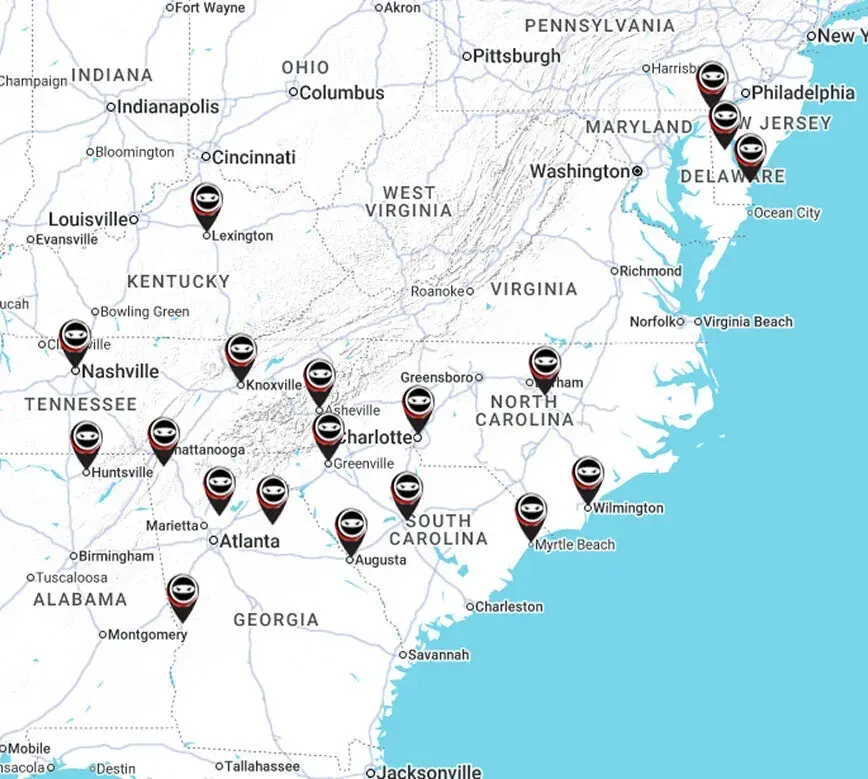
Find Your Closest Crawl Space Ninja!