Attic Insulation in Lafayette, GA
An under-insulated attic allows heated air to escape during winter and unwanted heat to enter your home throughout North Georgia’s long cooling season. Crawl Space Ninja specializes in attic insulation in Lafayette, GA, identifying inadequate insulation coverage, uncontrolled air leakage, and ventilation problems that affect indoor temperatures and energy consumption. Our free inspections help homeowners determine where thermal protection is missing and which improvements will make the greatest difference.
Hot upstairs bedrooms, fluctuating indoor temperatures, and unusually high utility bills can indicate that your attic is not performing as intended. Simply adding insulation over existing materials may leave significant air leaks and moisture problems unresolved. We evaluate the attic as a complete thermal system before recommending insulation installation, air sealing, or other efficiency improvements.
Call us at (888) 541-1998 or book a free attic inspection online to identify insulation deficiencies in your Lafayette home.

Why Lafayette Homes Lose Comfort Through the Attic
Heat naturally moves from warmer areas toward cooler ones. During winter, insufficient attic insulation allows heat to escape through the ceiling assembly. During summer, solar-heated roofing materials increase attic temperatures, placing additional demands on the insulation separating your living space from the roof.
Proper insulation slows heat transfer, helps maintain more consistent indoor temperatures, and reduces unnecessary heating and cooling demands. Air sealing strengthens these improvements by limiting conditioned air escaping through ceiling penetrations. The result is a better-performing thermal boundary that supports comfort throughout the home.
Finding the Heat Loss That Insulation Alone Cannot Correct
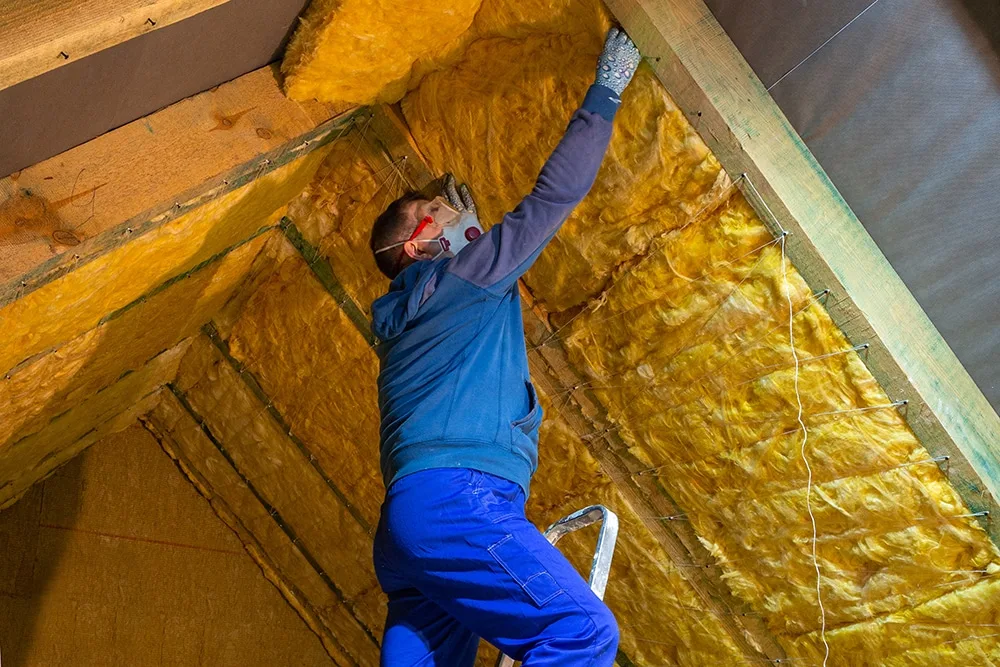
Insulation depth is only one part of an attic assessment. Recessed lighting, plumbing penetrations, attic access openings, and gaps around framing can allow air to move between conditioned rooms and the attic. Even substantial insulation coverage may perform poorly when these openings remain unsealed.
Our inspection identifies thermal deficiencies and installation obstacles before work begins.
- Insulation depth evaluation: We measure existing coverage and identify areas where insulation is missing, compressed, or below recommended levels.
- Air leakage inspection: We examine accessible ceiling penetrations, framing gaps, and attic access points that allow conditioned air to escape.
- Moisture assessment: We look for roof leaks, condensation, damp insulation, and staining that may indicate unresolved moisture problems.
- Ventilation review: We evaluate visible intake and exhaust pathways to determine if insulation could interfere with necessary airflow.
- Material recommendations: We select suitable insulation products and installation methods based on attic construction and performance needs.
- Installation verification: We review finished insulation coverage, air sealing, ventilation clearances, and accessible installation details.
We also consider insulation R-value, which measures resistance to heat flow. Higher R-values generally indicate greater thermal resistance, but the appropriate target depends on climate, existing materials, and the home’s construction.
Attic Insulation and Energy Efficiency Services in Lafayette, GA
An effective attic insulation system combines suitable materials, consistent coverage, and properly sealed air pathways. Loose-fill insulation can cover irregular attic floors, while fiberglass batts may be appropriate for accessible framing cavities. Spray foam serves specialized insulation and air-sealing applications, depending on the construction.
Our attic insulation services address these different requirements through targeted installations and upgrades.
- Blown-in attic insulation: We install loose-fill fiberglass, cellulose, or mineral wool to improve thermal coverage across attic floors and around framing obstacles.
- Fiberglass batt insulation: We install properly sized fiberglass batts in suitable framing cavities and accessible attic areas.
- Spray foam insulation: We use appropriate spray foam products for qualifying insulation and air-sealing applications.
- Attic air sealing: We seal accessible gaps around ceiling penetrations and other openings to reduce unwanted air movement.
- Attic hatch insulation: We insulate and seal accessible attic doors, hatches, and pull-down ladder openings to limit heat transfer.
- Knee wall insulation: We insulate and air seal appropriate wall assemblies separating finished rooms from unconditioned attic spaces.
- Radiant barrier installation: We install reflective materials in suitable attic configurations to reduce radiant heat transfer from hot roofing surfaces.
- Attic ventilation improvements: We evaluate baffles and airflow pathways to help preserve appropriate ventilation alongside new insulation.
- Existing insulation upgrades: We improve inadequate coverage or replace damaged materials when their condition prevents effective performance.
Our recommendations reflect the home’s attic configuration and existing conditions. We focus on installing insulation where it belongs, maintaining necessary clearances, and avoiding gaps that undermine the finished system.
Attic Insulation Questions Lafayette Homeowners Should Consider
How can I tell if my attic needs more insulation?
Common signs include rooms that run hotter or colder than the rest of the house, unusually high utility bills, and insulation that sits level with or below the ceiling joists. Visible gaps, compressed or damp material, and drafts near the attic hatch also point to a problem. A free inspection measures existing coverage and checks for air leaks that insulation alone won’t correct.
How much attic insulation does a Lafayette home actually need?
The appropriate insulation level depends on the home’s construction, existing R-value, and current energy efficiency recommendations. Many attics in the Lafayette area can benefit from total insulation levels around R-38 to R-60, depending on the assembly and applicable requirements. We inspect existing materials before determining how much additional insulation is appropriate.
Why is my upstairs bedroom hotter than the rest of the house?
Rooms beneath attic spaces may experience additional heat gain from inadequate insulation, air leakage, or poorly insulated knee walls. HVAC airflow and duct conditions can also contribute. We examine the attic’s thermal boundary to identify insulation-related causes before recommending improvements.
Can I add blown-in insulation over existing fiberglass batts?
In many cases, loose-fill insulation can be installed over existing fiberglass when the material is dry, properly positioned, and free from conditions requiring removal. Compressed insulation, blocked ventilation openings, and contaminated materials may need attention first. We evaluate the existing installation before adding coverage.
Will attic insulation help if my roof gets extremely hot in summer?
Attic insulation reduces heat transfer into living areas, but it does not prevent the roof itself from becoming hot. Proper ventilation and radiant barrier installation may offer additional benefits in suitable attics. We assess insulation coverage and roofline conditions before recommending complementary improvements.
Should attic air leaks be sealed before installing more insulation?
Yes. Accessible air leakage points should generally be addressed before adding loose-fill insulation that could conceal them. Sealing gaps around penetrations, access openings, and suitable framing connections helps reduce uncontrolled airflow. We also observe applicable fire safety clearances around heat-producing equipment.
Attic Insulation Guided by Hands-On Field Experience
Our founder, Michael Church, has demonstrated attic air sealing and insulation techniques through educational walkthroughs that show how installation details affect performance. This practical approach reflects our emphasis on identifying hidden problems, preparing the attic properly, and completing the work in the correct sequence. Our attic insulation services incorporate insulation, air sealing, and ventilation considerations rather than treating each improvement in isolation.
We explain recommended materials and offer straightforward pricing before approved work begins. With more than 1,000 five-star reviews behind us, we stand behind the work with lifetime warranty coverage on qualifying projects. Homeowners planning larger insulation projects can also explore financing options, subject to approval and applicable terms. Our goal is to help you make an informed decision about the improvements your home needs.
Attic Insulation for Lafayette and the Chattanooga Valley
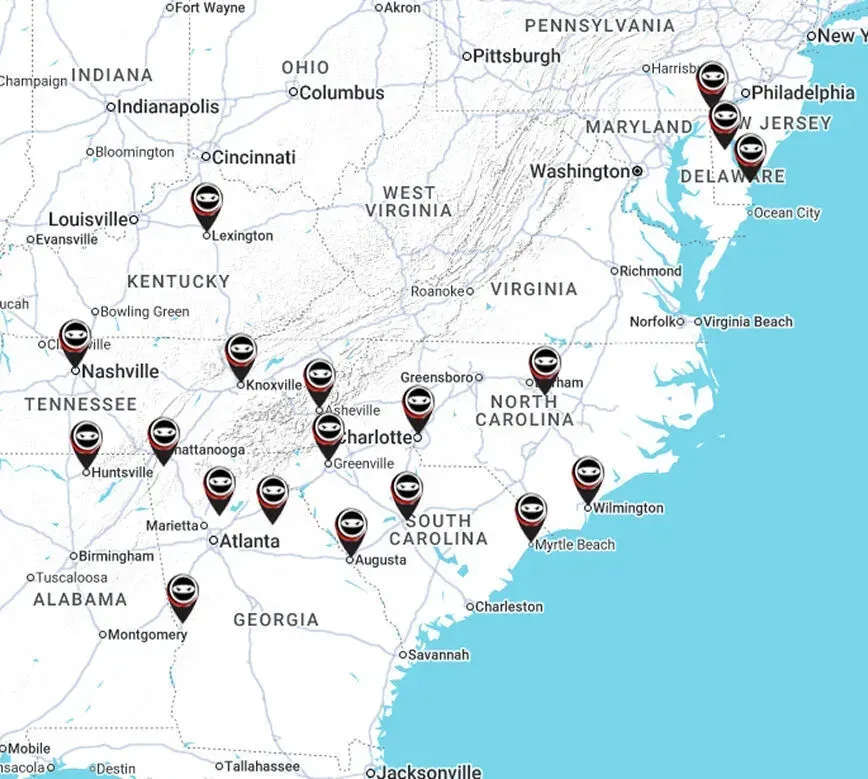
We serve homeowners in Lafayette and the surrounding North Georgia communities, including Trion, Lyerly, Cohutta, and Chattanooga, TN. Hot summers place significant demands on attic thermal protection, while colder winter conditions expose insulation deficiencies and air leakage around ceiling assemblies.
Older Lafayette homes may have settled insulation, inconsistent coverage around framing, or attic hatches that lack proper sealing. Newer homes can still experience temperature differences when insulation is compressed, ventilation baffles are blocked, or air leakage points remain open. We evaluate these building characteristics individually to determine where improvements are needed.
Find Out What Your Attic Is Costing Your Home in Comfort
Adding insulation should begin with understanding how heat moves through your attic and which deficiencies affect the rooms below. Crawl Space Ninja helps Lafayette homeowners identify insulation gaps, evaluate ventilation and air leakage, and select improvements designed for their homes. A proper inspection establishes the existing insulation condition and the installation methods needed to support more consistent temperatures throughout the year.
Contact us at (888) 541-1998 or request an attic efficiency evaluation online to discuss insulation and air-sealing improvements for your Lafayette home.


Why Choose Our Services?
Crawl Space Ninja Eliminates the Guesswork.

Every decision we make on your job starts with one question: what's actually best for your home and your family.

We stand behind every job with our lifetime warranty, because giving you lasting protection and confidence in your investment.

Our technicians are trained and certified on the system we built and refined ourselves, not a one-size-fits-all fix.

From your first call to the final walkthrough, you’ll stay updated through every step of the process.

Consult, customize, commence. Every job starts with a plan built for your home, not a generic fix.

You'll know the full cost before work begins. No hidden fees, no surprises.
Find Your Closest Crawl Space Ninja!