Crawl Space Repair in North Georgia: Encapsulation, Waterproofing, and Mold Removal
A crawl space in North Georgia can fool you. You may open the access and see no standing water, yet the insulation overhead is sagging, the wood feels damp, or there’s a musty smell that gets stronger the farther you crawl. On another property, everything near the downhill side looks dry until you work toward the back foundation wall and find damp soil or water staining. Around here, what’s happening underneath a house often makes more sense once you look at the land surrounding it.
From older homes around Dahlonega and Gainesville to wooded properties and later development across the region, Crawl Space Ninja looks at the entire space and what’s happening around the foundation. If your crawl space smells damp, stays wet, has fallen insulation, or just doesn’t look right, contact us online to schedule an inspection.

North Georgia Gives Us More Than One Kind of Crawl Space
In Dahlonega, older residential areas around the historic core include homes built on crawl spaces, mature lots, and terrain that changes from property to property. Gainesville adds another mix. Around Green Street and Ridgewood, we’re dealing with established housing that has been standing for generations. Move outside those areas, and larger wooded lots and newer construction can give us an entirely different space underneath the house.
On one call, we may be squeezing beneath an older house with years of plumbing and insulation changes overhead. On the next, there’s plenty of working room but a backyard that rises toward the foundation. North Georgia isn’t one housing pattern, so we don’t approach its crawl spaces as though it is.
Crawl Space Encapsulation When Dampness Hangs Around
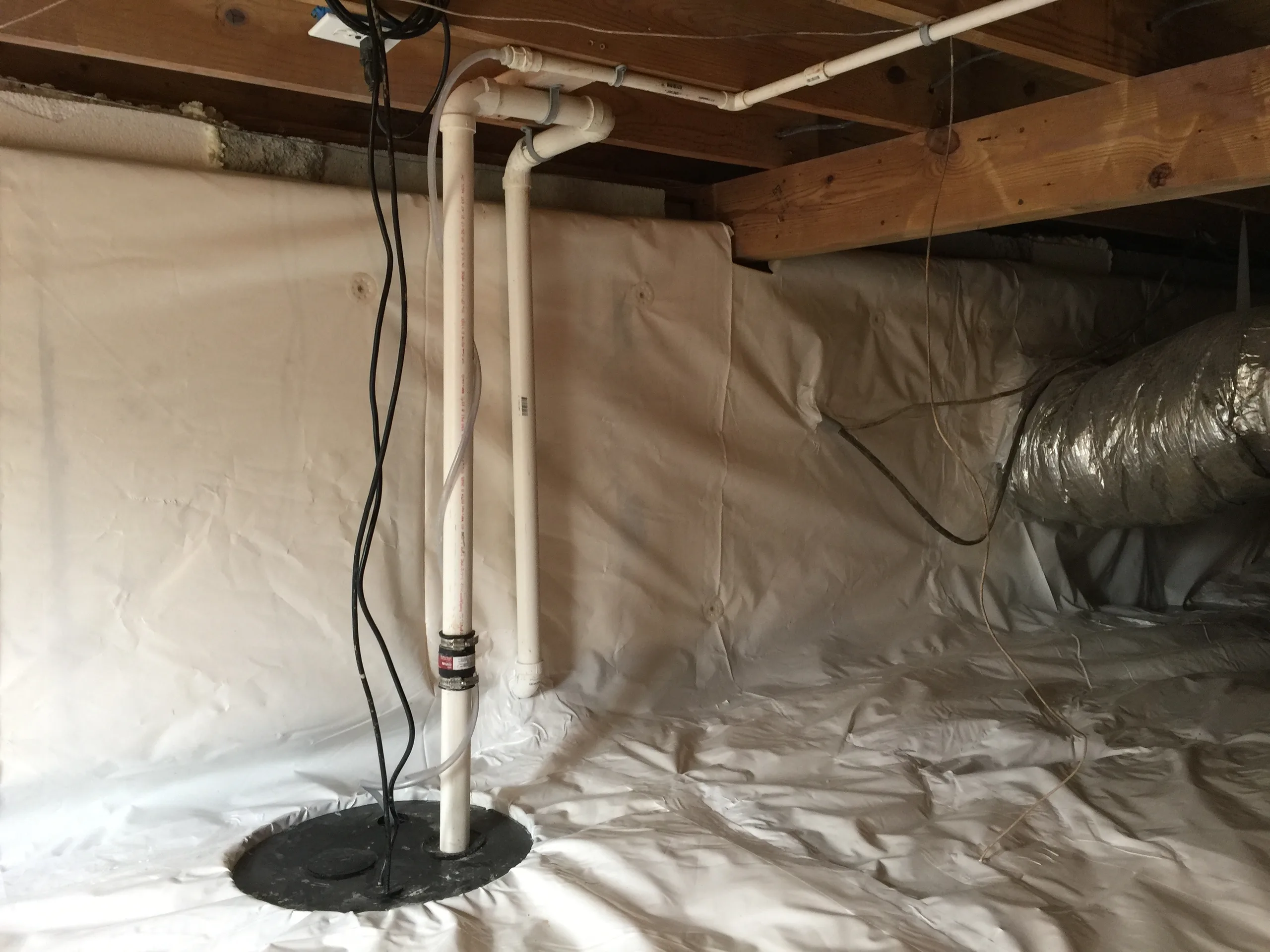
Some crawl spaces never flood but never really feel dry either. The soil may be exposed, the air feels heavy, and the wood or fiberglass overhead stays damp enough to get our attention. Crawl Space Encapsulation is designed to create a more controlled environment underneath the house instead of leaving the space exposed to moisture from the ground and outside air.
Depending on the crawl space, that approach may include:
- Ground protection: A durable vapor barrier separates the crawl space from exposed soil.
- Air sealing: Openings can be addressed to reduce uncontrolled outside air entering the space.
- Humidity management: Crawl Space Humidity Control helps keep moisture levels more consistent.
- Dehumidification: Equipment can be used when active moisture removal is needed.
- Vent Fan: A fan may be incorporated where appropriate as part of the overall moisture-control system.
This can be especially relevant on wooded properties around Dahlonega and other parts of the foothills. Mature trees, shade, and changing terrain are common features. We don’t blame those surroundings for crawl-space moisture, but we do pay attention when portions of the property and foundation stay damp longer after wet weather.
Crawl Space Mold Removal and Soda Blasting
Mold isn’t always waiting conveniently beside the access door. Sometimes we have to work past ductwork, plumbing, hanging insulation, and tight clearances before getting a good look at the wood farther underneath.
Crawl Space Mold Removal addresses affected areas once they’re identified. Soda Blasting may be appropriate for cleaning contaminated wood surfaces, but we’re also interested in what kept those surfaces damp enough for the problem to develop.
An older Gainesville crawl space may have experienced decades of insulation changes, plumbing work, leaks, and previous attempts at moisture control. Green Street includes some of the city’s older housing, while Ridgewood contains homes largely developed during the first half of the 20th century. Age doesn’t automatically mean there’s a mold problem, but an older crawl space can have more history for us to sort through.
Crawl Space Repair Means Crawling Past the Easy Part
The area beside the access isn’t necessarily representative of the rest of the crawl space. That’s especially true when a North Georgia house sits across a slope. We may enter with plenty of clearance on the downhill side and gradually lose room as we move toward the uphill foundation.
As we make our way through, some clues deserve a closer look:
- Uneven moisture: One section of soil or foundation stays noticeably wetter than another.
- Hanging insulation: Fiberglass is sagging from the joists or has already fallen to the ground.
- Water evidence: Mud, staining, or marks show where water has previously traveled.
- Musty conditions: Odors become stronger in certain portions of the crawl space.
- Visible growth: Wood or other materials show areas that need further attention.
- Old fixes: Plastic, repairs, or previous moisture work no longer match the conditions we’re seeing.
That full crawl matters. The first ten feet might look perfectly fine while the opposite end of the house shows us why the homeowner called.
Crawl Space Insulation Can Tell Us Something
Sagging insulation isn’t just something hanging overhead. Its condition can give us useful information about the environment surrounding it.
If fiberglass is damp in one area but relatively dry elsewhere, we want to know what’s different there. If it’s hanging throughout the house, humidity, moisture, age, or a combination of conditions may be involved. Crawl Space Insulation should be considered alongside what’s happening beneath the home rather than separately from it.
That’s true whether we’re underneath an established home near Ridgewood Avenue in Gainesville or a property outside Dahlonega where the crawl space follows the slope of the lot. Before addressing the insulation itself, we want to understand why it looks the way it does.
Crawl Space Waterproofing on North Georgia’s Sloped Lots
Sometimes we know where we want to start looking before we put on our crawl gear. Walk around a house sitting across a North Georgia hillside and one side of the foundation may be highly exposed while the opposite side meets rising ground. If that uphill side stays wet after rain, we’re going to remember exactly where it is once we crawl underneath.
Water leaves evidence behind, including:
- Foundation staining: Marks on block or masonry showing where moisture has been present.
- Persistent wet soil: Ground along one side stays damp while other areas have dried.
- Mud deposits: Soil or debris remains after water has moved through the space.
- Water tracks: Visible patterns help us trace the direction moisture has traveled.
- Low areas: Depressions repeatedly collect water after wet weather.
North Georgia’s terrain changes from wooded properties around Dahlonega to established neighborhoods in Gainesville and farther west toward Canton and the Etowah River area. Crawl Space Waterproofing isn’t based on the town name. We look at how water moves across that particular property and compare it with the evidence underneath the house.
Crawl Space Solutions Built for North Georgia Properties
An older house near Green Street in Gainesville won’t necessarily have the same crawl-space needs as a wooded property outside Dahlonega or a home farther west toward Canton. The lot, terrain, age of the house, previous work, and moisture conditions can all change what we find underneath.
Sometimes the biggest clue is at the opposite end of the crawl space. Sometimes it’s outside where the ground rises toward the foundation. Other times, there isn’t standing water at all, just a space that never seems to completely dry.
If you’ve noticed musty odors, fallen insulation, damp wood, visible growth, standing water, or other signs of moisture underneath your North Georgia home, contact Crawl Space Ninja online to schedule an inspection. We’ll look beneath the house and around the property to determine what needs attention.


Why Choose Our Services?
Crawl Space Ninja Eliminates the Guesswork.

Every decision we make on your job starts with one question: what's actually best for your home and your family.

We stand behind every job with our lifetime warranty, because giving you lasting protection and confidence in your investment.

Our technicians are trained and certified on the system we built and refined ourselves, not a one-size-fits-all fix.

From your first call to the final walkthrough, you’ll stay updated through every step of the process.

Consult, customize, commence. Every job starts with a plan built for your home, not a generic fix.

You'll know the full cost before work begins. No hidden fees, no surprises.
Find Your Closest Crawl Space Ninja!