Preventing a Roof Ice Dam
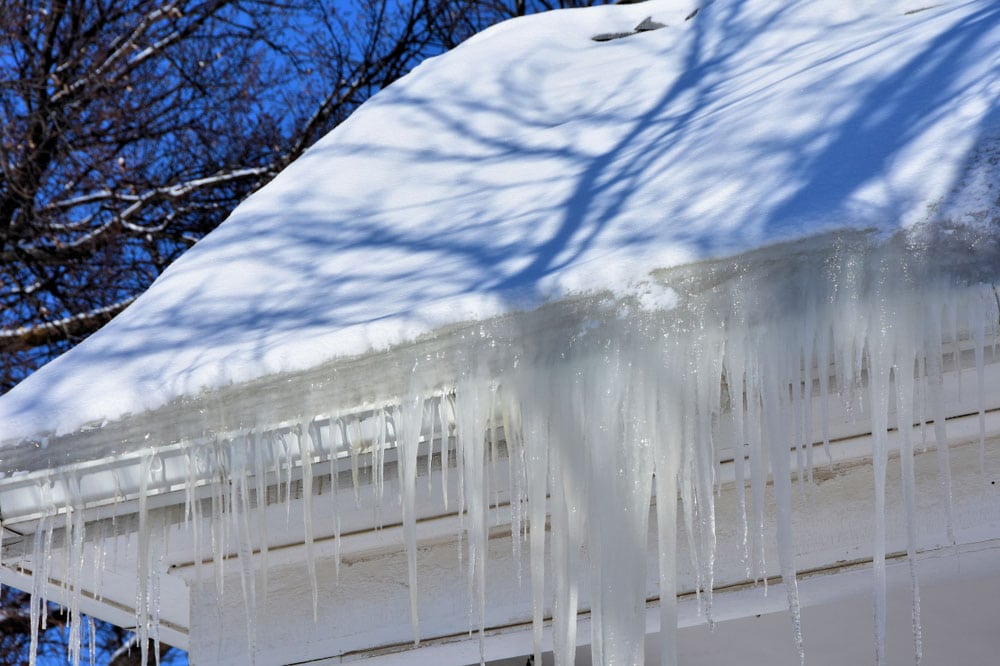
Winter can bring a range of challenges for homeowners, and roof ice dams are one of the most damaging. These thick ridges of ice that form along the edges of a roof can cause serious structural damage, leaks, and even mold growth if left unaddressed.
You must understand why ice dams form, why they are a problem, and how to prevent them in below-freezing weather.
What Is an Ice Dam?
An ice dam is a thick layer of ice that forms along the edge of a roof when melted snow refreezes at the eaves or gutters. Over time, this ice buildup prevents additional melting snow from properly draining off the roof.
As a result, water pools behind the ice dam, seeping under shingles and into your home, leading to leaks, water damage, and potential mold growth.
Why Do Ice Dams Form?
Ice dams develop due to uneven temperatures caused by factors like heat loss and accumulated snow.
- Heat escapes from the attic: Warm air from the living space rises into the attic due to poor insulation or air leaks, warming the roof.
- Snow melts on the warmer roof surface: As the roof heats up, snow begins to melt, running down toward the colder edges.
- Water refreezes at the roof edge: Once the melted snow reaches the colder eaves, it refreezes.
- Water backs up and leaks into your house: As the dam grows, water pools behind it, eventually seeping under shingles.
Why Are Ice Dams a Problem?
While ice dams might look harmless, they can be a significant concern that necessitates expensive repairs.
- Roof damage: Ice dams lift and damage shingles, allowing water to penetrate the roof decking.
- Water leaks: As trapped water finds its way inside, it can stain your ceilings, damage drywall, and ruin insulation.
- Mold and mildew growth: Moisture in the attic or walls creates the perfect environment for mold, leading to health concerns.
- Gutter damage: The weight of ice dams can bend, crack, or detach your gutters from your roof.