What Water Stains on Your Ceiling Could Be Telling You
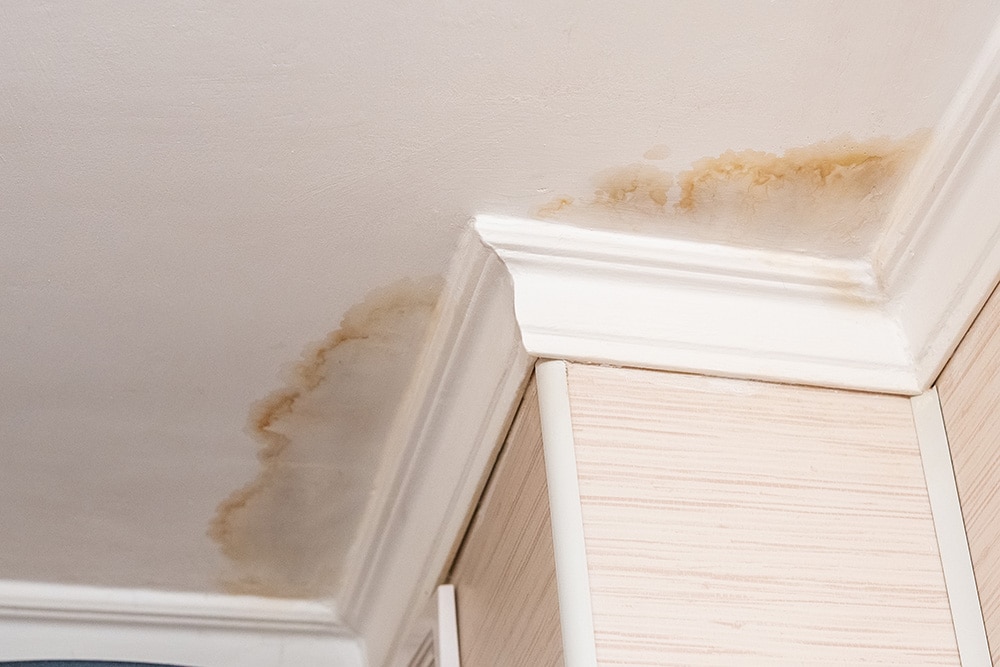
Few things are more attention-getting than a water stain spreading across your ceiling. Whether it’s a faint yellow ring or a dark, expanding spot, it’s easy to jump to the conclusion that you’ve developed a roof leak, but that’s not the only possible explanation. In many cases, the stain is merely the visible symptom of a much larger issue developing behind the scenes.
Water stains can also result from hidden moisture problems, condensation on your ductwork, plumbing leaks, poor attic ventilation, or damaged insulation. The sooner you identify the source, the better your chances of preventing more extensive and expensive damage.
What Causes Water Stains on a Ceiling?
A ceiling stain forms whenever moisture repeatedly enters drywall or plaster. As the material absorbs water, it becomes discolored and may eventually sag, bubble, or deteriorate. Because water often travels before becoming visible, the stain doesn’t always form directly beneath the source of the leak. A professional inspection is often necessary to pinpoint where the moisture is coming from.
Roof Leaks
Roof damage is one of the most common causes of ceiling stains. Missing shingles, damaged flashing, deteriorated roofing materials, or storm damage can allow rainwater to enter the attic and eventually soak into the ceiling below.
Homeowners often notice roof-related stains after periods of heavy rain, but small leaks may develop slowly and remain hidden for months before becoming obvious.
Condensation in the Attic
Not every ceiling stain comes from rainwater. Poorly ventilated attics trap warm, moist air inside, allowing condensation to form on cooler surfaces. Over time, this problem can harm your attic insulation, framing, and drywall, eventually leading to visible staining on ceilings.
This type of moisture problem often progresses gradually, making it easy to overlook until damage becomes impossible to ignore.
Damaged or Wet Insulation
New, pristine insulation will regulate the temperature inside your home, but when it becomes wet, it can hold moisture against surrounding building materials.
Wet insulation may result from:
- Roof leaks
- Condensation
- High humidity
- Plumbing problems
Saturated insulation loses much of its effectiveness while increasing the risk of mold growth and water damage. If you don’t correct the underlying cause, installing new insulation won’t solve the problem.
Plumbing Leaks
Plumbing may be the culprit if you have a bathroom, laundry room, or kitchen located above the stained ceiling. Small leaks from water supply lines, drain pipes, toilets, bathtubs, and showers can slowly saturate your ceiling, often remaining hidden until discoloration appears.
HVAC-Related Moisture Problems
Your heating and cooling system can also contribute to ceiling stains. Condensation from air conditioning components, clogged condensate drain lines, or poorly insulated ductwork can allow moisture to accumulate where it doesn’t belong. This phenomenon is especially common during the summer, when your air conditioner works its hardest to combat heat and humidity.
Why You Shouldn’t Ignore Ceiling Stains
A water stain is rarely a simple cosmetic issue. Moisture trapped inside your walls or ceilings can create conditions that lead to mold growth, wood rot, damaged insulation, structural deterioration, and poor indoor air quality.
Even small-looking stains can hide extensive underlying moisture problems. The earlier you identify and correct the source, the easier it will be to limit the damage.
Signs the Problem May Be Getting Worse
Keep an eye out for additional warning signs that moisture continues entering your home, including:
- Stains that continue to grow
- Bubbling or peeling paint
- Sagging drywall
- Stubborn musty odors that don’t go away when you clean
- Visible mold
- Dripping water during storms
- Increased indoor humidity
Why Summer Is a Good Time to Look Beyond the Stain
Many homeowners associate water damage with winter snow or spring storms, but summer presents unique moisture challenges. Warm temperatures combined with high humidity increase your likelihood of experiencing attic condensation, HVAC-related moisture, insulation damage, and health symptoms related to mold growth.
Early summer is also an ideal time to inspect your attic before seasonal weather changes place additional stress on your home. Addressing moisture problems now can prevent more extensive repairs later in the year.
One of the biggest mistakes homeowners make is treating the stain instead of addressing what caused it. Painting over discoloration or replacing damaged drywall are merely cosmetic fixes. Unfortunately, the stain will likely come back if you let the problems that caused it remain untouched.
Why Crawl Space Ninja Takes a Whole-Home Approach
Moisture problems rarely exist in isolation. They often originate from poor attic ventilation, damaged insulation, excessive humidity, ductwork problems, or other hidden conditions. Instead of focusing on a single symptom, Crawl Space Ninja takes a holistic approach. Depending on the source of the problem, our recommendations may include:
- Attic insulation improvements
- Moisture and humidity control
- Duct sealing
- Crawl space encapsulation
- Drainage improvements
- Ventilation solutions
Don’t Ignore What Your Ceiling Is Trying to Tell You
A ceiling stain is your home’s way of letting you know that moisture is finding its way somewhere it shouldn’t. Whether the cause is a roof leak, condensation, damaged insulation, or another hidden issue, early intervention can prevent more extensive structural damage, mold growth, and costly repairs, protecting your investment and indoor environment.
If you’ve noticed water stains on your ceiling, don’t assume they’ll go away on their own. Contact us today to schedule a professional inspection and uncover the source of the problem before it has a chance to spread.