

Signs of Water Damage in Basement Walls
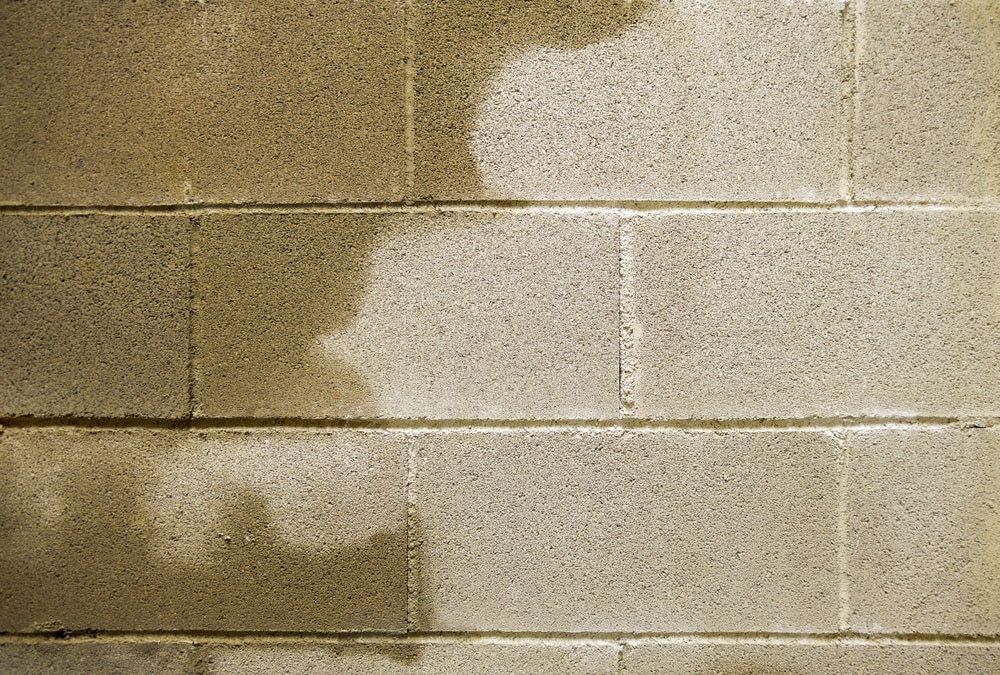
Water damage in basement walls can lead to structural problems, mold growth, and costly repairs if left unaddressed. Many homeowners don’t realize there’s a problem until visible damage appears, but you should learn to recognize the early warning signs and intervene before the issue worsens.
Why Does Water Damage Happen in Basements?
Your basement is highly vulnerable to water damage because it sits below ground level – a location that constantly exposes it to moisture from the water table.
Here are some of the most common causes of water damage in basement walls.
- Hydrostatic pressure: When soil around the foundation becomes saturated, it exerts pressure on basement walls, forcing water through cracks and porous surfaces.
- Foundation cracks: Small cracks in basement walls will allow moisture to seep in over time, ultimately leading to extensive structural issues.
- Poor drainage: Excess moisture can accumulate around your basement walls if your gutters, downspouts, or yard drainage system fail to direct water away from the foundation.
- Leaky plumbing: Undetected leaks from pipes in or near basement walls can contribute to water damage over time.
- High humidity levels: Even without direct water intrusion, excessive basement humidity can lead to condensation, mold growth, and damage to walls and floors.
Warning Signs of Water Damage in Basement Walls
These red flags can indicate water damage in your basement.
- Damp or musty odors: A persistent, musty smell is often a sign of moisture buildup and potential mold growth.
- Water stains or discoloration: Brown, yellow, or dark stains on basement walls indicate water infiltration.
- Peeling paint or wallpaper: Moisture behind paint or wallpaper can cause it to bubble, crack, or peel.
- White, chalky residue: When water evaporates, it leaves minerals behind, which will appear as a powdery white substance on your basement walls.
- Cracks in the walls: Small cracks can grow over time as water seeps in, leading to foundation instability.
- Mold or mildew growth: Mold or mildew on walls or in corners indicates excess moisture – an issue you should immediately address.
- Soft or warped drywall: If drywall feels soft, spongy, or warped, it has likely absorbed moisture.
Termites, Termite Control in Crawl Spaces Step 1
Read More
What Water Stains on Your Ceiling Could Be Telling You
Read More
8 Signs Your Insulation May Be Failing
Read More
What Most Homeowners Get Wrong About Indoor Air Quality
Read More
Humidity Can Damage Your Home Even When It Isn’t Raining
Read More

I cannot say enough wonderful things about our crawl space ninja experience. Kristen is professional and thoughtful in all of her communications and Michael was simply wonderful. This company offers excellent service, fabulous communication and...
I have had a very good experience with Crawl Space Ninja. From the initial meeting with Jered and moving forward with our contract, to scheduling, to install, and now maintenance I have been well taken...
We had Crawl Space Ninja come out to fix out damp, moldy crawlspace just a couple weeks ago and the team did an incredible job all around. From our salesman setting the correct expectations, to...
Great Company Chris and his team are very professional. I wouldn’t hesitate to hire them again worth every penny, Definitely got what i paid for. I had crawl space encapsulated, humidifier installed and Mold removal...

Up To $2,500 Off
Limited Time Promotion
*Restrictions Apply. Call for details.
5% Off
Military Discount
*Restrictions Apply. Call for details.
$500 Off
Concrete Leveling
*Restrictions Apply. Call for details.
0%
Financing Available
*Restrictions Apply. Call for details.
Free
Expert Inspection
*Restrictions Apply. Call for details.