How to Winterize a House
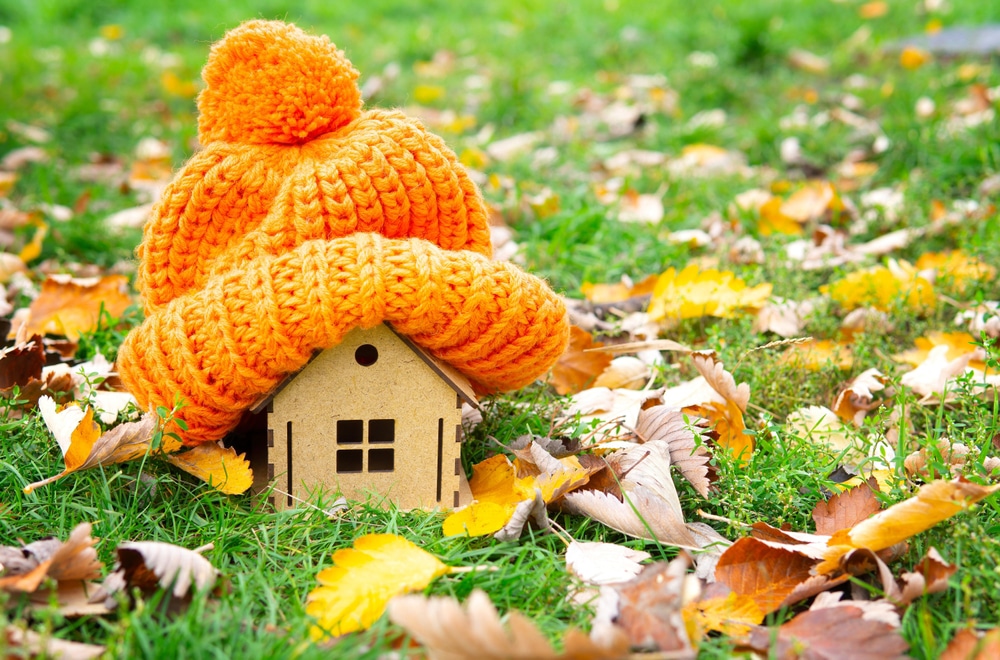
Temperatures are dropping and the days are getting shorter, which means it’s time to start preparing your home for winter. Winterization protects your property from cold weather, moisture, and costly damage that can occur when systems and structures aren’t ready for the season.
Before the first freeze, take time to inspect and repair vulnerable areas throughout your home – especially your crawl space.
Why Winterization Matters
Cold, wet weather can take a toll on your home. Without proper preparation, you risk:
- Frozen or burst plumbing pipes
- Water intrusion from melting snow or ice
- Higher energy bills from drafts and poor insulation
- Mold growth from trapped humidity
- Structural damage caused by fluctuating moisture levels
Essential Winterization Tips
Proactively winterizing your home saves money, prevents stress, and keeps your family comfortable all season.
1. Check and Seal Doors and Windows
Drafts let cold air in and warm air out. Replace worn weatherstripping, caulk gaps, and check that locks and frames are tight.
2. Inspect and Upgrade Your Insulation
Attics, basements, and crawl spaces are sources of heat loss. Old or insufficient insulation can force your HVAC system to work harder, increasing energy costs. Replacing outdated insulation keeps your home’s temperature consistent.
3. Fix Leaks and Drainage Issues
Standing water around your foundation or in your crawl space can freeze and cause cracks. Your gutters and downspouts must work properly to drain your yard and direct water away from your home.
4. Service Your Heating System
Schedule a professional furnace inspection and replace your filters before cold weather arrives. A well-maintained HVAC system will run more efficiently and reduce the risk of breakdowns.
5. Protect Your Crawl Space
Your crawl space is especially vulnerable in winter. Without proper protection, cold air, excess moisture, and pests can invade your home from below. Crawl Space Ninja recommends:
- Encapsulation to seal your crawl space from ground moisture
- Insulation to maintain stable temperatures and prevent pipes from freezing
- Dehumidifiers to control humidity year-round
- Repairs to prevent water damage
Be Ready Before the First Freeze
Many homeowners think winterization stops at the surface, but real protection starts below your home. Crawl Space Ninja’s team of professionals can inspect, repair, and fully winterize your crawl space, stopping problems before they start.
Call us today to schedule your crawl space inspection and prepare your home for a safe, warm, and worry-free winter.