Dry Wells vs. French Drains
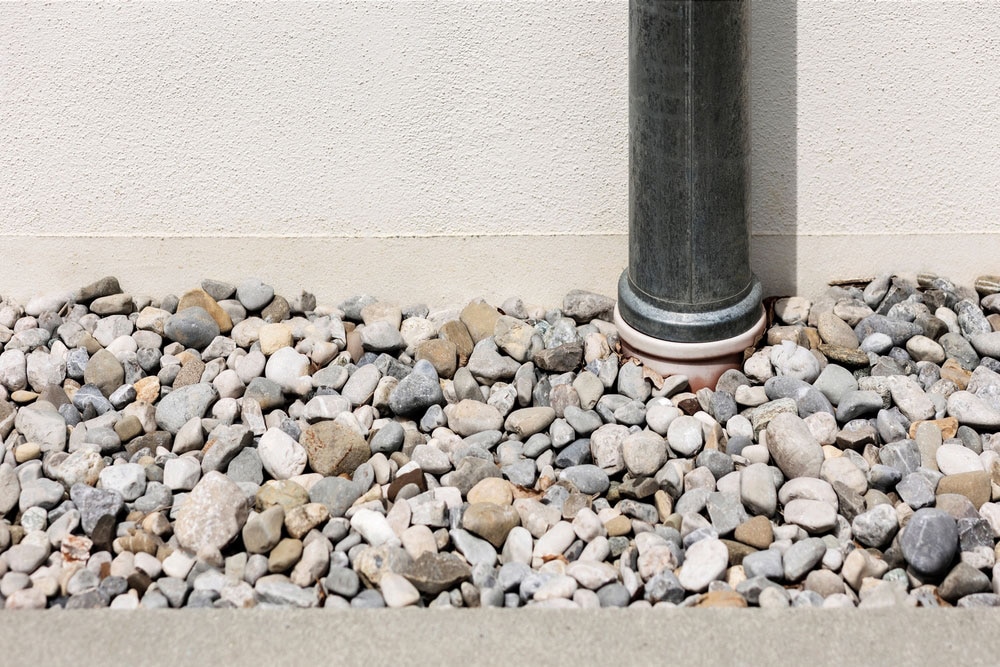
Dry wells and French drains are two of the most effective solutions for keeping your home’s foundation dry. These tools can protect your crawl space, basement, and yard from excess moisture, but they work differently and are best for distinct drainage problems.
Let’s examine the differences between dry wells and French drains, explain when you might need one or the other, and discuss why you should trust the professionals at Crawl Space Ninja to install your drainage system and ensure it works correctly.
What Is a Dry Well?
A dry well is an underground structure designed to collect excess water and disperse it deep into the soil. It’s typically a large, perforated container filled with gravel or stone, installed below ground level.
Dry wells are an excellent way to manage surface water, such as:
- Runoff from gutters and downspouts
- Water from sump pump discharge lines
- Overflow from your irrigation system or patio
Once water enters the dry well, it slowly percolates into the surrounding soil, rather than pooling near your foundation or creating erosion issues in your yard.
What Is a French Drain?
A French drain is a trench filled with gravel and a perforated pipe that redirects water away from your home or low-lying areas. French drains are ideal for intercepting groundwater or surface water before they cause problems.
You may want to consider installing a French drain if you frequently deal with:
- Water pooling in low spots in the yard
- Hydrostatic pressure against basement or crawl space walls
- Moisture intrusion through foundation walls
- Water seeping into your basement or crawl space
A French drain collects water and channels it away from your home – such as to a dry well, storm drain, or lower part of the property.
Signs You May Need a Dry Well or French Drain
It may be time to consider installing a drainage system if you notice any of the following: