Efflorescence on Basement Walls
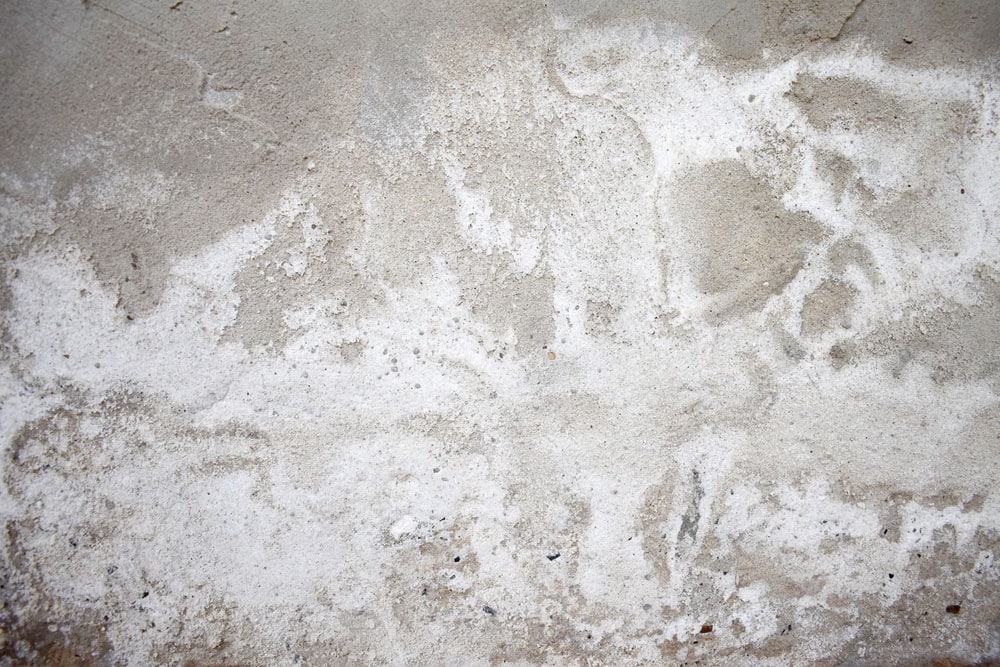
If you’ve ever noticed a white, powdery or crystalline substance on your basement walls, you might have assumed it was mold. While it can look similar, this substance is usually efflorescence – a mineral deposit left behind when water seeps through porous materials like concrete or brick.
Efflorescence forms when moisture moves through a wall, dissolving salts along the way. As the water evaporates, it leaves salts behind, creating the telltale white film. While efflorescence is not toxic or harmful to touch, it is a warning sign of excess moisture, which can lead to mold growth, foundation damage, and other serious problems.
Signs You May Have Efflorescence
You may be dealing with efflorescence if your basement shows any of these symptoms:
- Wet or damp walls
- Visible water leaks
- Leaking basement windows
- Elevated humidity levels
- Persistent musty odors
Even if the white deposits wipe away easily, the underlying moisture problem will keep bringing them back until you address it.
Common Causes of Efflorescence
Efflorescence always comes from a moisture source. Typical causes include the following.
- Cracked walls or floors: Structural cracks allow water to seep in.
- Faulty construction or deteriorating waterproof barriers: Old, poorly sealed materials can lose their effectiveness over time.
- Capillary action in porous concrete: Concrete naturally absorbs water, pulling it upward through tiny pores.
- High groundwater levels: Rising groundwater can push moisture into your basement.
- Heavy rains or snowmelt: Excess water outside the foundation can force its way in.
- Poor drainage: Clogged gutters, short downspouts, or improper grading can direct water toward your home.
- Plumbing leaks: Leaking pipes, appliances, or fixtures can contribute to excess moisture.
- High indoor humidity: Warm, moist indoor air condenses on cool basement walls.