How to Prevent Termites in Your Crawl Space
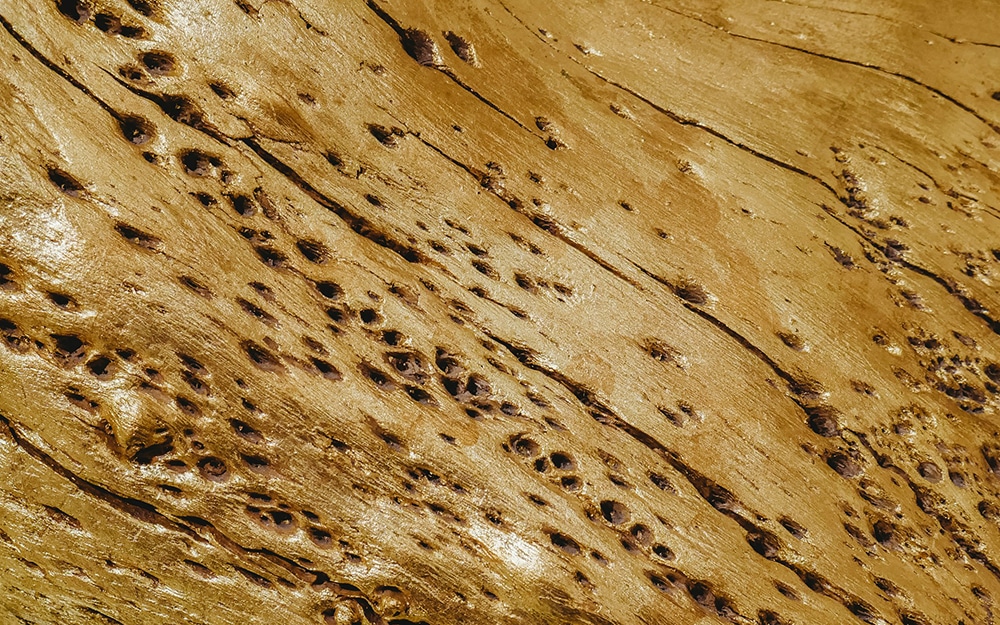
Termites are one of the most destructive pests a homeowner can face, and crawl spaces are one of their favorite hiding spots. These tiny but relentless insects can cause severe structural damage before you even realize they’ve taken up residence in your house.
To protect your home, you should understand what attracts termites to crawl spaces, how to spot the warning signs of an infestation, and what you can do to keep these bugs out for good.
What Are Termites, and Why Are They So Destructive?
Termites are wood-eating insects that thrive in damp, dark environments – making crawl spaces the perfect breeding ground. They feed on cellulose, a primary component of wood, and can silently weaken the wooden beams and supports that make up your home’s foundation.
Termites cause billions of dollars in property damage annually, and because they often work unseen, they can compromise your home’s structural integrity before you notice a problem.
What Attracts Termites to Crawl Spaces?
Several factors make crawl spaces an ideal habitat for termites.
- Moisture: Termites thrive in humid environments, and excess moisture in your crawl space creates the perfect conditions for an infestation.
- Wood-to-soil contact: Termites can easily tunnel into your home if wooden beams or supports come into direct contact with soil.
- Unsealed entry points: Cracks, gaps, and foundation vents allow termites easy access to your crawl space.
- Cellulose-based debris: Cardboard, wood scraps, or even insulation made from organic materials can attract termites.
- Lack of regular maintenance: A neglected crawl space with excess humidity and poor drainage is an open invitation for termites.
Warning Signs of a Termite Infestation
Termites are hard to spot, but you can watch for these red flags in your crawl space.
- Hollow-sounding wood: Tap on wooden beams or floor joists. Termites may have eaten through them if they sound hollow or weak.
- Mud tubes: Subterranean termites build small, mud-like tunnels along walls and foundations to travel between their colony and food source.
- Swarms of winged termites: If you see flying termites inside or near your home, they may be looking to start a new colony.
- Droppings: Termite droppings look like tiny wood-colored pellets, often found near wooden structures.
- Peeling paint or buckling floors: Termites inside walls can cause moisture buildup, leading to warped wood and bubbling paint.