How to Tell if Your Foundation Needs Repair
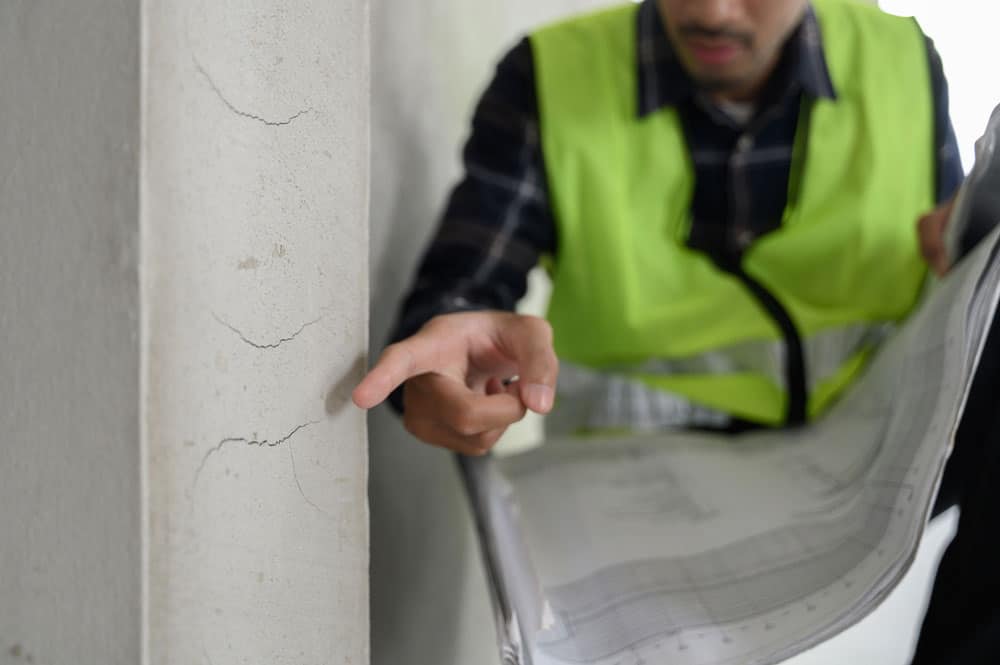
Your home’s foundation is critical to its structural integrity – everything above it depends on its strength. But signs of trouble aren’t always obvious. Some are easy to spot, while others go unnoticed until the damage becomes serious.
Here’s how to recognize when your foundation may need repair – and why calling the professionals at Crawl Space Ninja is always the smarter choice than attempting a DIY fix.
Red Flags of Foundation Problems
Some symptoms point to serious foundation issues.
- Cracks in walls or floors: Large or widening cracks in your basement walls, crawl space, or interior drywall may signal a settling or shifting foundation.
- Uneven or sagging floors: Floors that slope, bounce, or feel unstable can result from damaged joists or shifting supports.
- “Sticky” doors and windows: Your foundation may be moving out of alignment if openings that used to work smoothly now jam.
- Bowing walls: Foundation walls that bulge inward are often under pressure from soil or water around your home.
Not all signs of foundation damage are dramatic. These quieter clues may not seem urgent, but they often hint at hidden problems developing beneath your home.
- Musty odors: Excess moisture from foundation cracks can lead to mold growth.
- Water intrusion after rain: Even small leaks in your crawl space or basement could result from foundational damage.
- Nail pops in drywall: When drywall nails start working their way out, it may indicate your walls are shifting.
- Gaps between crown molding and ceiling: Small separations around trim can point to foundation movement.
Signs You Shouldn’t Ignore
Foundation problems don’t always start with dramatic wall cracks or sagging floors. Sometimes they begin with small but telling clues like doors that suddenly won’t open, faint musty odors in your crawl space, or tiny gaps appearing around your trim and baseboards. These may seem minor at first glance, but they can indicate that your foundation has shifted or that moisture is compromising structural elements. Addressing these issues with professional help can prevent them from escalating into serious, costly damage.