Author name: Lindsay Chambers

Do You Need to Insulate Basement Walls Below Grade?

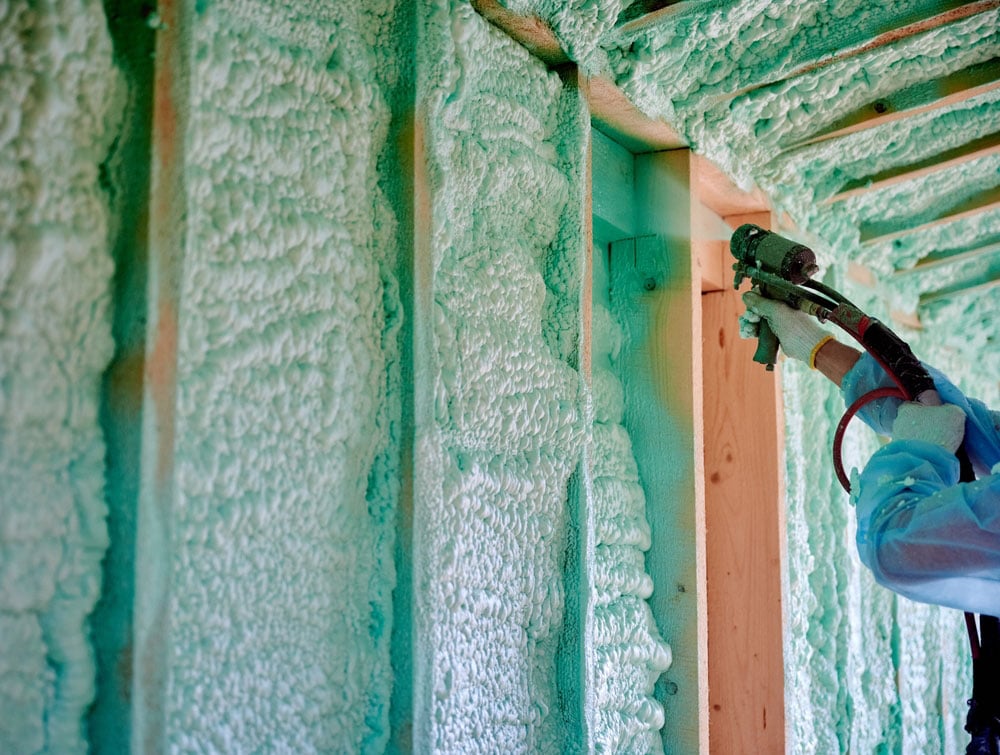
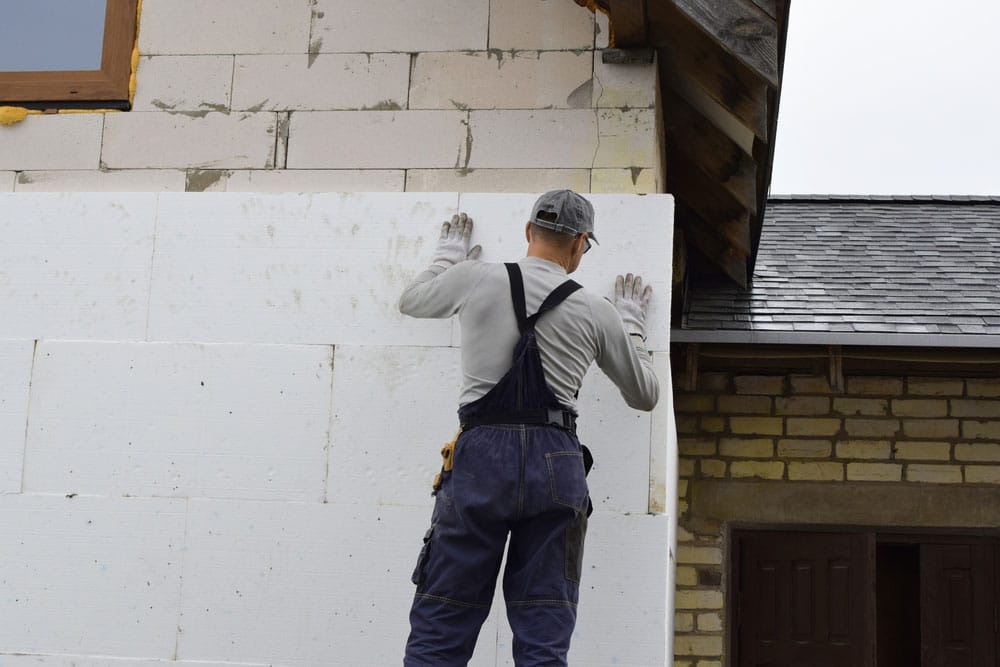
Basement insulation is an unsung hero of home improvement. This investment significantly improves energy efficiency, helps with moisture control, and makes your basement a more comfortable and usable space. Most building codes also recommend insulating below-grade basement walls, reinforcing its importance for long-term home performance and efficiency. 1. Lower Your Energy Bills One of the

Do You Need to Insulate Basement Walls Below Grade? Read More »

Standing Water Under Your House After Heavy Rain or Snow

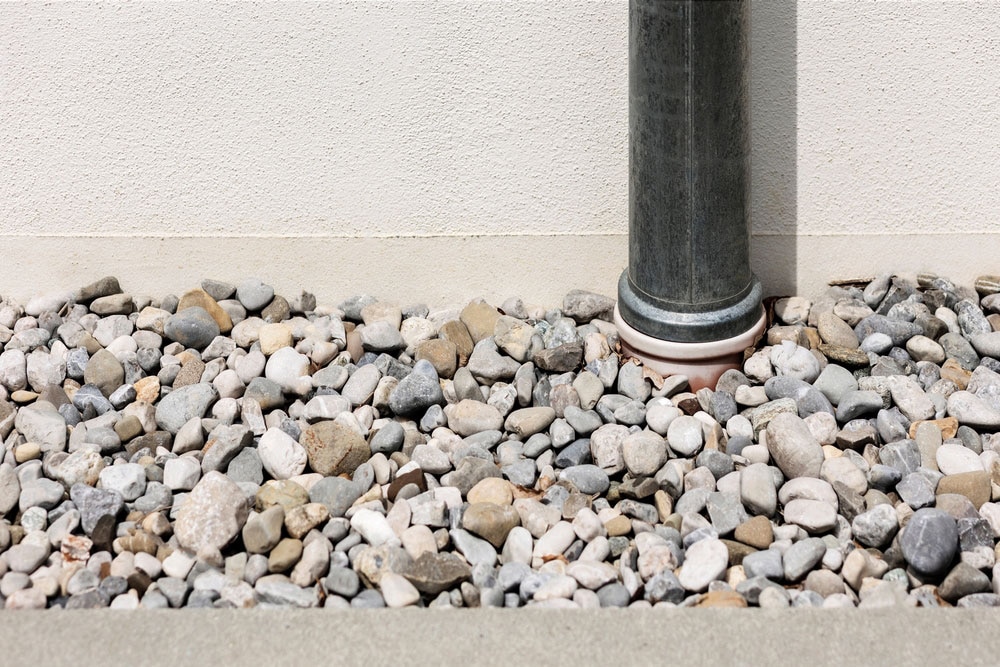
Though standing water under your house after heavy rain or snowmelt might not seem like a concern at first glance, it can lead to severe damage over time. Homeowners must understand why standing water occurs and how to eliminate it to protect their properties’ structural integrity and indoor air quality. Why Does Standing Water Happen?

Standing Water Under Your House After Heavy Rain or Snow Read More »

What Do Cracks in Your Basement Floor Mean?

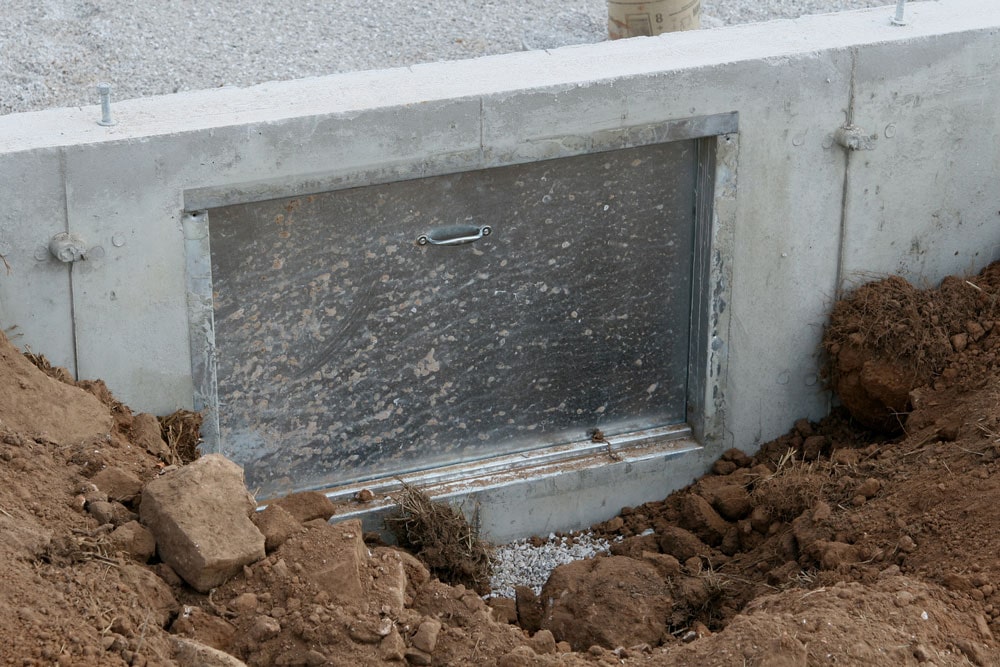
Though cracks in your basement floor can be alarming, they are not always a cause for immediate concern. However, they often indicate underlying issues that could escalate if left unaddressed. You should understand how these cracks form and when to address them to maintain your home’s structural integrity and prevent further damage. Why Do Cracks

What Do Cracks in Your Basement Floor Mean? Read More »

Condensation in Your Attic in the Winter

Many homeowners notice condensation forming in their attic in cold weather. While it might seem like a minor inconvenience, this excess moisture can lead to severe problems, such as mold growth, wood rot, and decreased insulation efficiency. What Causes Condensation in Your Attic During Winter? Condensation forms when warm, moisture-laden air from your living space

Condensation in Your Attic in the Winter Read More »

Scroll to Top