Do I Need Weep Holes for Crawl Space Waterproofing
If your crawl space is flooding are weep holes necessary like in a basement waterproofing project? Many basement waterproofing contractors bring their expertise into the crawl space encapsulation and waterproofing arena.
But what is needed in basement waterproofing may not be needed in the crawl space waterproofing.
What are Weep Holes?
Weep holes are small holes drilled or knocked into hollow block walls. They are not needed or possible with poured foundation walls or block walls with poured concrete cavities. This is the first clue to are the necessary if they cannot be achieved in every situation.
Why are Weep Holes in My Foundation?
The reason weep holes are added, is to allow the hollow block wall to drain faster. Most basement waterproofing systems are installed under the slab. Basement waterproofing companies want water to drain into the drain tile quickly to reduce hydrostatic pressure.
CMU or concrete masonry units usually have two pockets of air that can hold lots of water. This can be a source of water if your crawl space or basement is flooding. Waterproofing professionals feel emptying these waterlogged pockets rapidly is necessary. In a basement it may be to keep water from passing through the wall if no vapor barrier is used.
But installing a vapor barrier on the walls of a basement can help control humidity.
Crawl Space Waterproofing
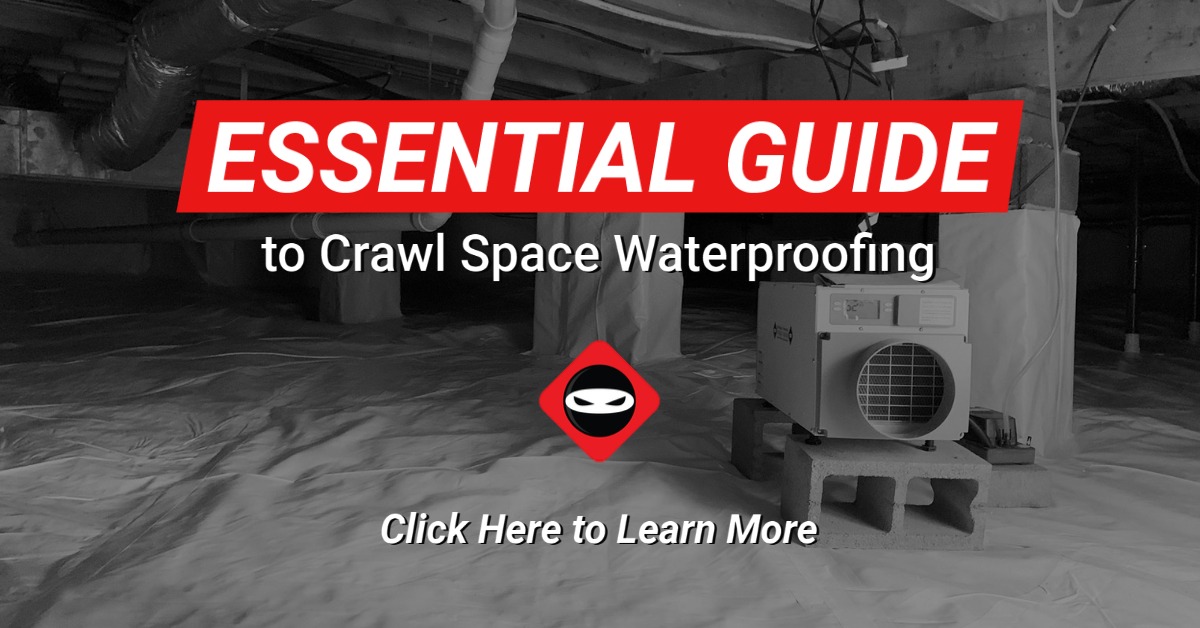
In a crawl space waterproofing project the drain tile is not placed under slab like a basement but under plastic. The crawl space water management system is designed to capture and redirect surface water typically to a sump pump. The foundation walls of the crawl space should always be covered with plastic when installing a waterproofing system.
What is the Point of a Vapor Barrier?
The vapor barrier keeps the water contained for it to enter the water management system more efficiently. The water is already entering the crawl space and flooding the area or you would normally not be interested in installing a waterproofing system.
Although according to the Department of Housing and Urban Development, we should consider rethinking this strategy. What benefit is there to adding weep holes and making the water enter the crawl space faster from the foundation walls?
Read What HUD Recommends about Crawl Space Waterproofing
Weep Holes May Hinder the Crawl Space
Unlike a basement slab, crawl space vapor barrier can move, float and shift with excess flood waters. Because of this I don’t recommend weep holes be installed in a crawl space water management system. If the water enter the crawl space at a pace that exceeds the drainpipe’s ability to absorb the water.
The water can bypass the drainpipe and the crawl space vapor barrier can float. Once the vapor barrier is floating, the standing water can break through the seams. If water gets on top of the plastic, the water management system becomes ineffective and now the crawl space dehumidifier will need to address it.
Professional Basement Waterproofing and Crawl Space Encapsulation
Crawl Space Ninja is the professional choice for all things waterproofing! Our team has the experience and skill to help home owners with mold removal, crawl space encapsulation, crawl space insulation, vapor barriers, waterproofing, or controlling humidity in their crawl space. We can also help with exterior water and yard drainage.
For residents living in Georgia, Delaware, North Carolina, South Carolina, Tennessee, or Kentucky please contact us to schedule your moisture, drainage and leak assessment.
Have You Considering DIY Repair for Your Water Problem?
Perhaps you’d like to tackle your own crawl space repair. Visit our DIY Store.
Join the Crawl Space Ninja as a Franchise Owner!
Learn about Crawl Space Ninja Franchise opportunities.

The best way to dry out a crawl space for mold removal is to first seal the vents and install a dehumidifier. We do not recommend using high velocity fans in a crawl space with mold like some companies do, because fans can blow mold spores around and spread it. If vapor barrier is on the ground, leave it in place to keep the dehumidifier focused on drying the wood rather than also drying the ground. Humidity must be under 60% and wood moisture under 20% before soda blasting to physically remove visible mold and fungus. We use Anabec wood cleaner after soda blasting and offer an application of X70 wood preservative to extend the mold warranty to 10 years and to lifetime with the service maintenance.