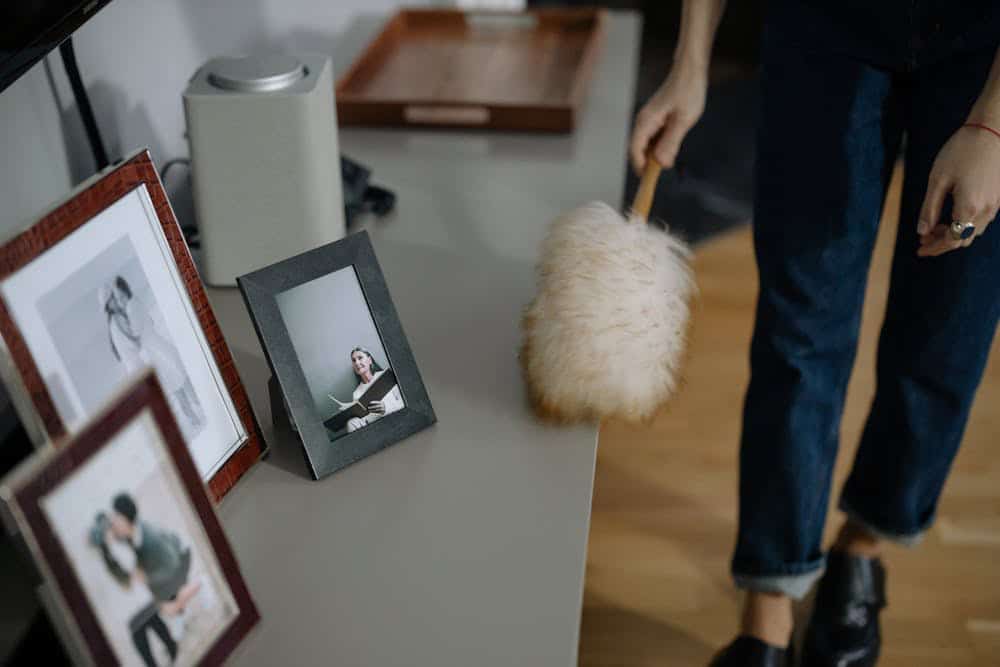
Excess Dust in Your Home? It May Be More Than a Cleaning Problem
You vacuum, wipe down shelves and countertops, and replace air filters. Yet somehow, a day or two later, it feels like you never cleaned at all. That’s not your imagination. Excess dust is a frustrating problem that may indicate behind-the-scenes issues related to your crawl space, ductwork, insulation, or indoor air quality.
Dust Isn’t Only Dirt
When most people think of dust, they picture dirt from shoes or outdoor debris entering the house. But household dust is usually a mixture of many different particles circulating repeatedly, including:
Though it may seem like dust spontaneously appears on the surfaces in your home, it originates from several different sources.
Dirty or Leaky Ductwork
Your HVAC system constantly moves air throughout your house. Over time, dust and debris can accumulate inside the duct system. The problem can become even worse if you have old, leaky ductwork with gaps and cracks.
Ducts running through crawl spaces, attics, garages, or unfinished basements can pull in:
Dust and debris
Mold spores
Fiberglass particles
Humid air
Contaminants from hidden areas of your home
Damaged Insulation
Insulation problems can also contribute to excessive dust. Old, deteriorating, or damaged insulation may break apart and release particles into the air. The issue will become even more significant if moisture or animals have compromised your insulation.
High Humidity Levels
Humidity and dust may not seem to have an obvious connection at first, but moisture creates conditions that allow allergens like dust mites, mold growth, and mildew development to thrive. Dust mites especially love humid environments, often making their homes in bedding, upholstery, and carpeting and shedding waste particles that trigger allergic reactions.
Mold and Moisture Problems
Mold growth is not always visible, but spores can become airborne, circulate throughout your home, and contribute to musty odors, respiratory illness symptoms, and persistent dust buildup. The indoor air pollution caused by a mold colony growing inside your crawl space can gradually move upward into your home due to the stack effect.
Why Spring Can Make Dust Problems Worse
If hidden issues already exist in your crawl space or duct system, spring conditions can make them much more noticeable. Pollen levels increase, humidity begins rising, and homeowners switch their HVAC systems into cooling mode. All these factors can introduce additional particles and moisture into your home.
Vacuuming and dusting remove visible particles, but they don’t necessarily eliminate the source.
If leaky ducts, damaged insulation, moisture problems, or poor air circulation continually introduce dust, the cycle will keep repeating itself. That’s why it might feel like you’re constantly cleaning without seeing much improvement.
How to Reduce Excess Dust
Long-term improvement usually starts with tackling the underlying causes, not just the symptoms. These improvements create a cleaner environment with better indoor air quality.
Crawl Space Ninja understands that excessive dust is often a red flag of issues that extend throughout your home. While many companies focus on a single service, our team takes a holistic approach, addressing how moisture, insulation, ductwork, and airflow work together to create a healthier, cleaner, and more comfortable home.
Contact us today to schedule an inspection and discover whether hidden problems beneath your home may affect the air you breathe daily.
I cannot say enough wonderful things about our crawl space ninja experience. Kristen is professional and thoughtful in all of her communications and Michael was simply wonderful. This company offers excellent service, fabulous communication and...
Ashley H.
I have had a very good experience with Crawl Space Ninja. From the initial meeting with Jered and moving forward with our contract, to scheduling, to install, and now maintenance I have been well taken...
Daniel
We had Crawl Space Ninja come out to fix out damp, moldy crawlspace just a couple weeks ago and the team did an incredible job all around. From our salesman setting the correct expectations, to...
Edgar S.
Great Company Chris and his team are very professional. I wouldn’t hesitate to hire them again worth every penny, Definitely got what i paid for. I had crawl space encapsulated, humidifier installed and Mold removal...
Up To $2,500 Off
Limited Time Promotion
*Restrictions Apply. Call for details.
5% Off
Military Discount
*Restrictions Apply. Call for details.
$500 Off
Concrete Leveling
*Restrictions Apply. Call for details.
0%
Financing Available
*Restrictions Apply. Call for details.
Free
Expert Inspection
*Restrictions Apply. Call for details.
Get Offer
Find your local Crawl Space Ninja location to schedule your free inspection..