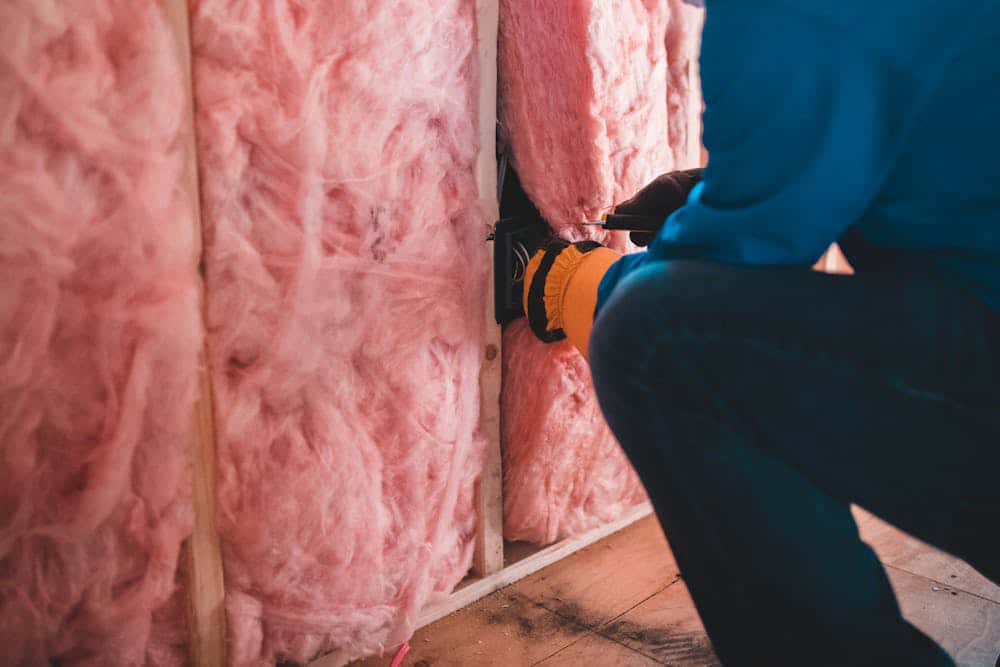
Most homeowners rarely think about their insulation until something starts feeling off inside the house. Damaged insulation can contribute to lingering musty smells, high energy bills, and uneven hot and cold spots in various rooms.
Most people think insulation exists only to regulate temperature, but that’s only part of its purpose. It also:
Insulation doesn’t usually fail overnight. Damage often develops gradually due to hidden problems in the attic or crawl space.
Because insulation is mostly out of sight behind walls, beneath floors, or above ceilings, many homeowners don’t realize they have a problem until symptoms begin appearing:
- Rising heating and cooling costs
- Uneven temperatures between rooms
- Cold floors in winter
- Excess humidity indoors
- Musty odors
- Increased dust or allergy symptoms
- HVAC systems running constantly
Why Wet Insulation Is a Serious Problem
Once insulation becomes wet, it loses much of its insulating ability, also known as its R-value. Instead of regulating the temperature, wet insulation can trap moisture and contribute to:
- Mold growth
- Wood rot
- Poor indoor air quality
- Increased HVAC strain
- Structural deterioration over time
In crawl spaces especially, wet insulation can sag or fall away completely, leaving your home vulnerable to drafts and moisture buildup.
Crawl Space Insulation Problems Affect More Than the Crawl Space
Many insulation problems begin beneath the home. If your crawl space is damp or poorly sealed, the insulation below your floors may absorb moisture from the air or ground. Over time, this can create a chain reaction.
You may notice:
- Cold or uncomfortable floors
- Higher humidity indoors
- Increased energy bills
- Musty smells rising into living areas
Because of the stack effect, air from the crawl space naturally moves upward into the rest of the home.
Attic Insulation Problems Can Overwork Your HVAC System
Damaged attic insulation creates a different, but equally critical, set of issues. In summer, attic heat can radiate downward into your home if insulation is inadequate or deteriorating. During winter, heat escapes upward more easily.
Attic insulation problems can force your HVAC system to work harder year-round, increasing wear and energy consumption.
They also contribute to:
- Uneven room temperatures
- Excessive heat buildup upstairs
- Drafts and comfort issues
Why Replacing Insulation Alone Isn’t Always Enough
One of the biggest mistakes homeowners make is replacing damaged insulation without addressing the root cause. If moisture, humidity, or air leaks remain unresolved, your new insulation may eventually develop the same problems.
Long-term solutions often require addressing:
- Crawl space moisture intrusion
- Poor drainage around the home
- Ventilation imbalances
- Duct leaks
- Humidity control
Crawl Space Ninja Takes a Whole-Home Approach
Crawl Space Ninja understands the relationship between insulation problems, moisture and airflow issues. Instead of merely replacing damaged materials, our team evaluates the conditions that created the problem in the first place.
Depending on your home’s needs, we may recommend solutions that include:
This whole-home approach solves the problem instead of temporarily masking it.
Don’t Ignore What Your Home Is Trying to Tell You
Damaged insulation affects far more than temperature. It can impact your energy bills, indoor air quality, comfort, and even your home’s long-term health.
If your house feels drafty, humid, dusty, or difficult to heat and cool, your insulation may be part of the problem. The good news is that these issues are often fixable when caught early.
Contact us today to schedule an inspection for a healthier, more efficient home.