House Leveling
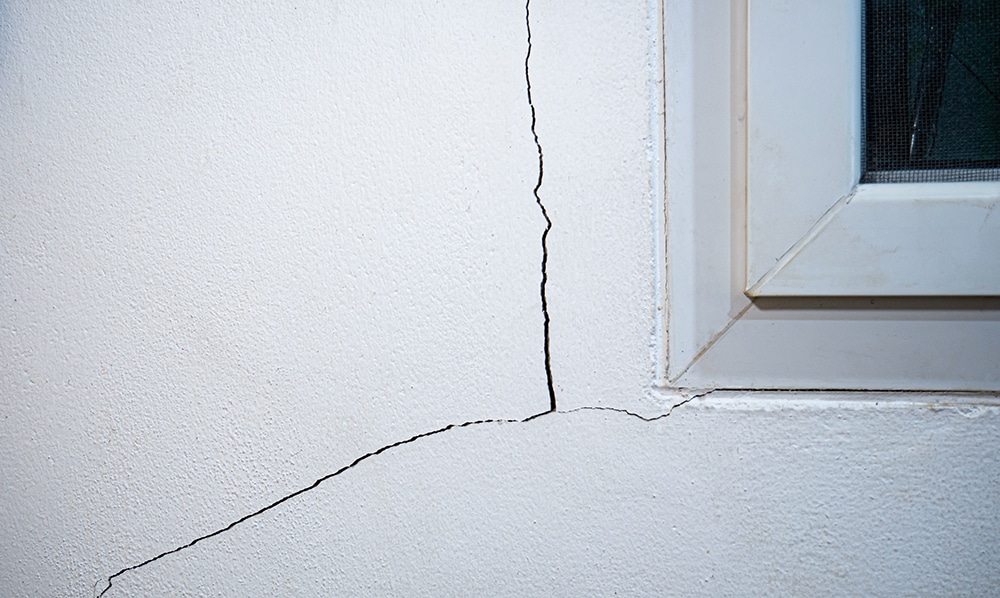
Every home experiences some degree of settling over time as soil shifts, moisture levels change, and structural materials naturally expand and contract. If your house tilts, sags, or feels uneven underfoot, pay attention – these are signs of a potentially serious problem with your foundation. House leveling is a solution designed to restore your home to a stable, even position and prevent further structural damage.
Why Do Houses Settle?
Many contributing factors combine to cause settling over a house’s lifespan. Minor settling is harmless, but too much can spell trouble for your foundation.
- Soil movement: Expansive soils shrink and swell with changing moisture levels, creating pressure that shifts your foundation.
- Water damage: Leaking pipes, poor drainage, or heavy rainfall can saturate the ground beneath your home, leading to sinking or uneven settling.
- Wood rot and decay: High humidity or standing water in your crawl space can cause wood joists to weaken.
- Pest activity: Termites and other insects can destroy wooden supports, contributing to sagging floors and structural instability.
Signs Your Home May Need Leveling
Foundation settling can be subtle and easy to overlook at first. Watch for these red flags:
- Cracks in your drywall, brick, or basement walls
- Uneven or sloping floors
- Doors and windows that stick or won’t latch properly
- Gaps between walls and ceilings
- Bowing or leaning foundation walls
- Persistent moisture or musty odors in your crawl space
Schedule a professional inspection as soon as you notice these issues. Unaddressed foundation damage can worsen quickly, leading to unsafe conditions and costly repairs.
What Happens During House Leveling
House leveling isn’t a one-size-fits-all process. When you contact Crawl Space Ninja, our foundation repair specialists start with a thorough inspection to pinpoint what causes the settling. Depending on your home’s needs, we may recommend: