Should You Install a Vapor Barrier in Your Crawl Space Yourself?
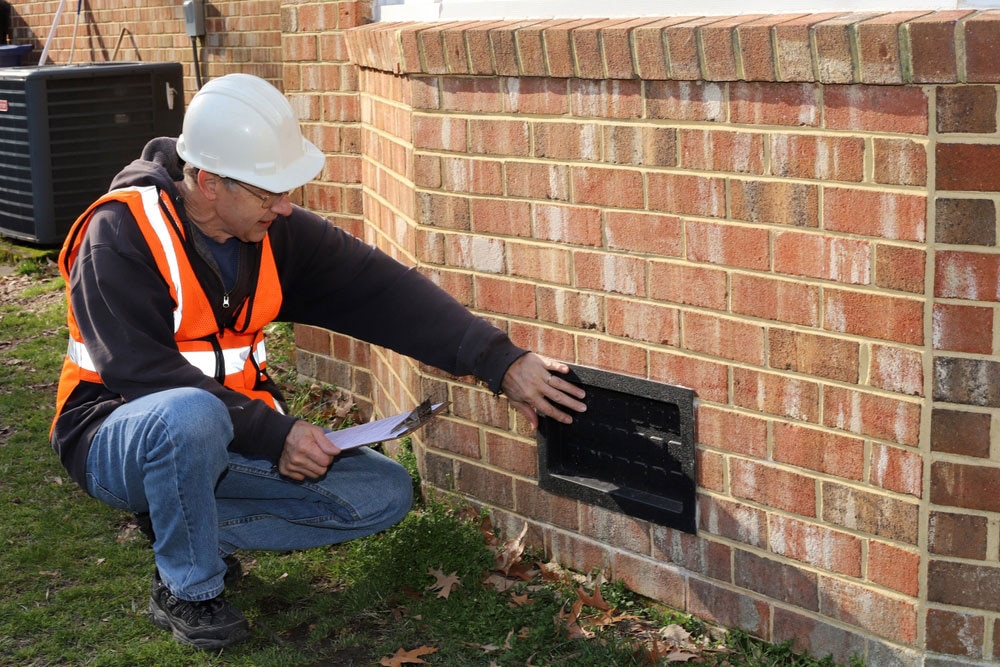
You’ve likely come across the term “vapor barrier” if you’ve researched ways to reduce moisture, improve air quality, and protect your home’s foundation. These plastic liners are a critical part of crawl space encapsulation.
While DIY solutions can be tempting, installing a vapor barrier in your crawl space is a project best left to professionals. Here’s why.
What Is a Vapor Barrier and What Does It Do?
A vapor barrier is a heavy-duty plastic sheet installed over the floor and sometimes walls of your crawl space. Its purpose is to block moisture from the ground from entering the air inside your crawl space and, eventually, your home.
Since most crawl spaces sit atop bare earth, they are especially vulnerable to moisture rising from the soil. Without a vapor barrier, your crawl space can become a breeding ground for mold, mildew, and pests – and may even contribute to structural damage over time.
Why Do You Need a Vapor Barrier?
Installing a vapor barrier has several benefits.
- Reduces moisture: Prevents mold, mildew, and wood rot.
- Improves indoor air quality: Up to 50% of the air on your first floor comes from your crawl space.
- Protects insulation and ductwork: Damp conditions can compromise HVAC components and fiberglass insulation.
- Boosts energy efficiency: Dry air is easier to heat and cool.
- Prevents pest infestations: Damp, dark environments attract insects and small animals.
Adding a vapor barrier is one of the most effective ways to create a healthier, more efficient home from the ground up.
Why You Shouldn’t Install a Vapor Barrier Yourself
While laying plastic sheets may sound simple, a comprehensive vapor barrier installation is far more complex. Here’s why this project is not ideal for DIYers.
1. Incorrect Installation Can Do More Harm Than Good
Improper sealing, overlapping, or anchoring of the barrier can trap water instead of repelling it – making your moisture problem worse, not better.