Crawl Space Vents: Open or Closed?
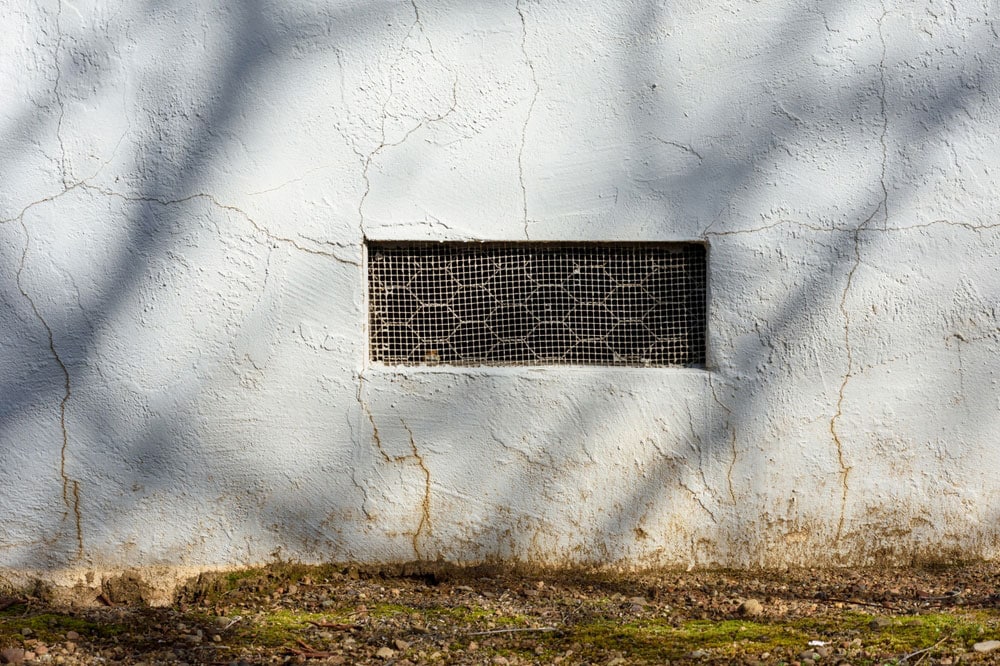
Crawl space vents have been a standard feature in home construction for decades. While conventional wisdom has been that allowing fresh air to flow in and out reduces moisture problems, that suggestion is overly simplistic. Leaving your crawl space vents open or closed by default could cause unexpected problems, including mold growth and energy inefficiency.
The Purpose of Crawl Space Vents
Crawl space vents’ original purpose was to promote air circulation underneath homes. Traditionally, homeowners left them open in the spring and summer to allow humidity and stale air to escape.
However, this approach only works in very specific conditions. In many regions, the warm, humid summer air increases crawl space moisture levels. When that moist air enters a cooler crawl space, it condenses on surfaces – leading to the exact problems vents should prevent.
By the same token, closing crawl space vents in the fall and winter is good advice, but isn’t enough to prevent water damage and the risk of frozen pipes.
Risks of Leaving Crawl Space Vents Open Year-Round
If your crawl space vents are permanently open, you may face problems such as:
- Increased humidity, leading to mold and mildew
- Wood rot in floor joists and beams
- Higher energy bills due to air exchange with the outside
- Pest entry points, especially for rodents and insects
- Musty odors that enter your home through the subfloor
- Condensation and rust on pipes, HVAC systems, and ductwork
These issues can damage your home’s structure and indoor air quality – and may sharply decrease your property value if left unaddressed.
So, What’s the Best Approach?
Encapsulated crawl spaces are the gold standard in most climates. This approach involves creating a clean, dry, and controlled environment that protects your home’s foundation, lowers energy costs, and prevents mold and pests.
- Sealing all vent openings
- Installing a thick vapor barrier across the floor and walls
- Adding proper insulation
- Using a dehumidifier to maintain consistent humidity levels