Leaves, Rain, and Rising Moisture: Fall Mold Risks in Crawl Spaces
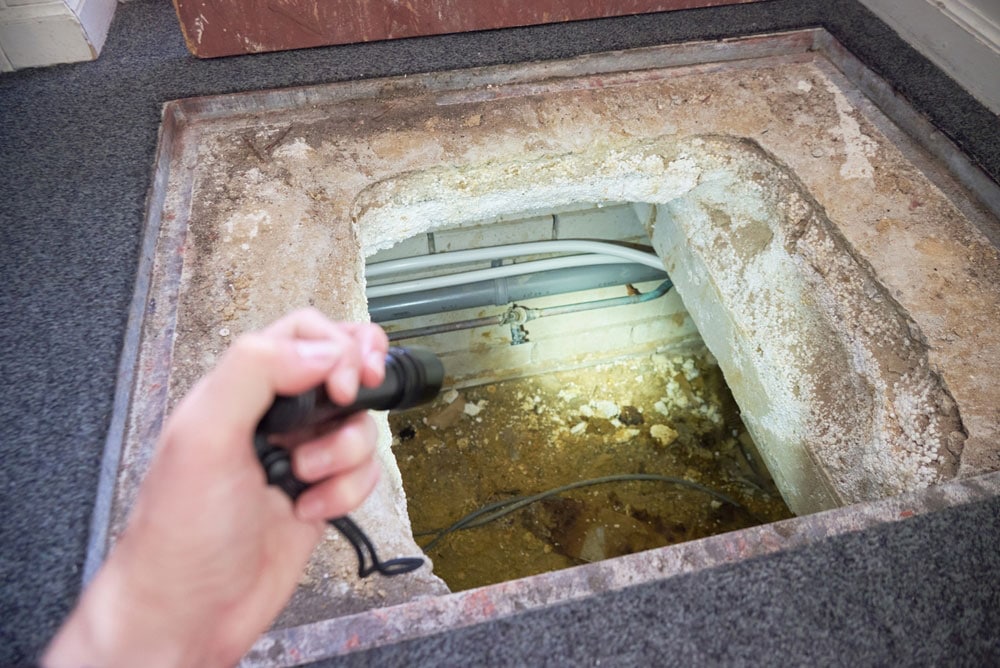
As the weather cools and leaves cover the ground, your home faces a new set of seasonal challenges. Most homeowners focus on winterizing tasks like raking and roof maintenance, leaving an even bigger threat hiding underfoot – mold growth in their crawl spaces.
Autumn brings a combination of wet leaves, heavy rain, and lingering humidity that can trap moisture under your home. Left unchecked, this damp environment becomes the perfect breeding ground for mold – and once it takes hold, it can spread quickly, affecting your health and your home’s structure.
Why Mold Starts in Crawl Spaces
Your crawl space naturally collects moisture because it sits below ground level. During fall, two factors make this problem worse.
- Rain and runoff: Wet weather increases groundwater levels and can cause water to pool near or inside your foundation.
- Falling leaves and debris: Leaves can clog gutters and downspouts, trapping water around your home and forcing it into the crawl space.
Even if you don’t see standing water, moisture can rise from the soil or seep through cracks and vents, creating a humid, enclosed space where mold thrives.
The Health Hazards of Mold
Mold is more than an unpleasant sight – it’s a serious health concern. When spores circulate through your home, they can cause:
- Allergic reactions and respiratory irritation
- Chronic coughing, congestion, or sinus infections
- Headaches and fatigue
- Aggravated asthma symptoms
Because air from your crawl space rises into your living areas due to the stack effect, mold contamination below can affect the air you breathe above.
Structural and Home Damage
Mold doesn’t stop at your air quality – it also damages the materials supporting your home. A minor mold issue today can easily escalate into a costly repair bill if you fail to address it promptly.