Why Water Is Coming in Your Basement Where the Walls Meet the Floor
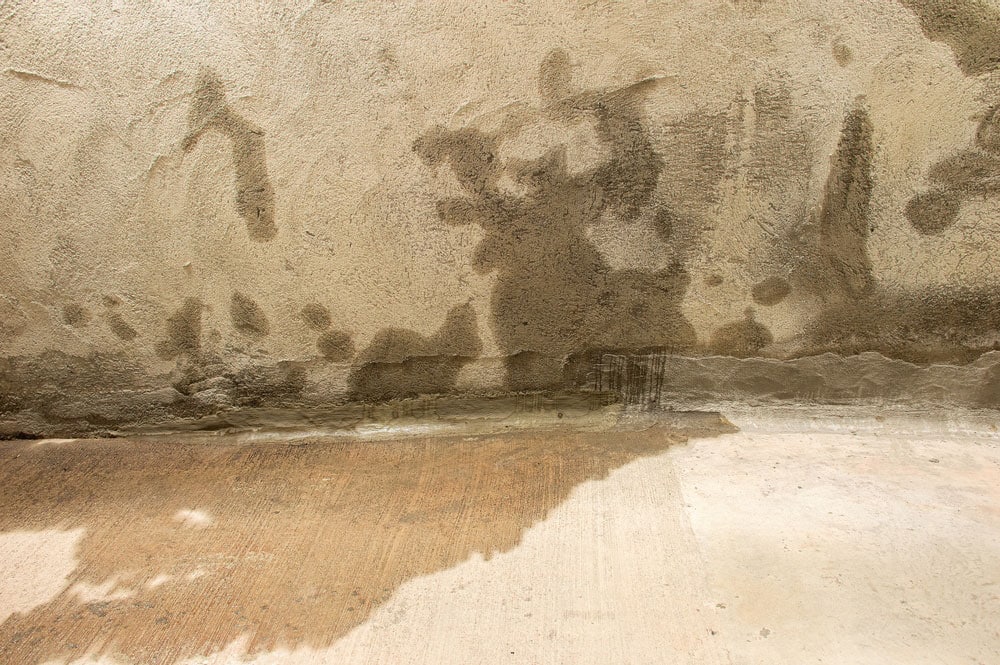
If you’ve noticed water seeping into your basement where the walls meet the floor, hydrostatic pressure is the probable culprit. This common but serious issue occurs when water builds up in the soil around your foundation, pushing against your walls and floor. Over time, it can lead to water infiltration, mold growth, and even structural damage, so it is in your best interest to know how to prevent it.
What Is Hydrostatic Pressure?
Hydrostatic pressure is the force exerted by water in the soil surrounding your foundation. Water weighs about 60 pounds per cubic foot, creating significant pressure when it accumulates in the ground due to heavy rainfall or poor drainage. It pushes against your basement walls and floors, eventually finding its way through cracks, gaps, or porous materials.
One of the most vulnerable spots for water intrusion is the cove joint – the seam where the basement walls meet the floor. This joint exists because construction crews pour the walls and floor separately when building houses. When hydrostatic pressure builds, water naturally seeps through this spot first, causing leaks and moisture problems.
Why You Should Immediately Address Water in Your Basement
Basement flooding can lead to several potentially severe complications.
- Mold and mildew growth: When humidity levels reach 70% or higher, it creates an ideal environment for mold and mildew to proliferate on walls, floors, and stored items in your basement. Fungus will damage materials and compromise your indoor air quality, causing health risks for people with respiratory conditions like allergies or asthma.
- Musty odors: A damp basement often smells musty, making the space less usable and creating an unpleasant environment.
- Water damage and wood rot: Prolonged exposure to moisture can weaken wooden beams and supports, potentially compromising your home’s structural integrity.
- Increased energy bills: Excess humidity in your basement forces your air conditioning system to work harder to regulate indoor temperatures, driving up utility costs.
- Higher humidity levels throughout your home: Moist air from the basement can rise into the rest of your house, making it feel sticky and uncomfortable, especially in summer.