What a Properly Sealed Crawl Space Should Look Like
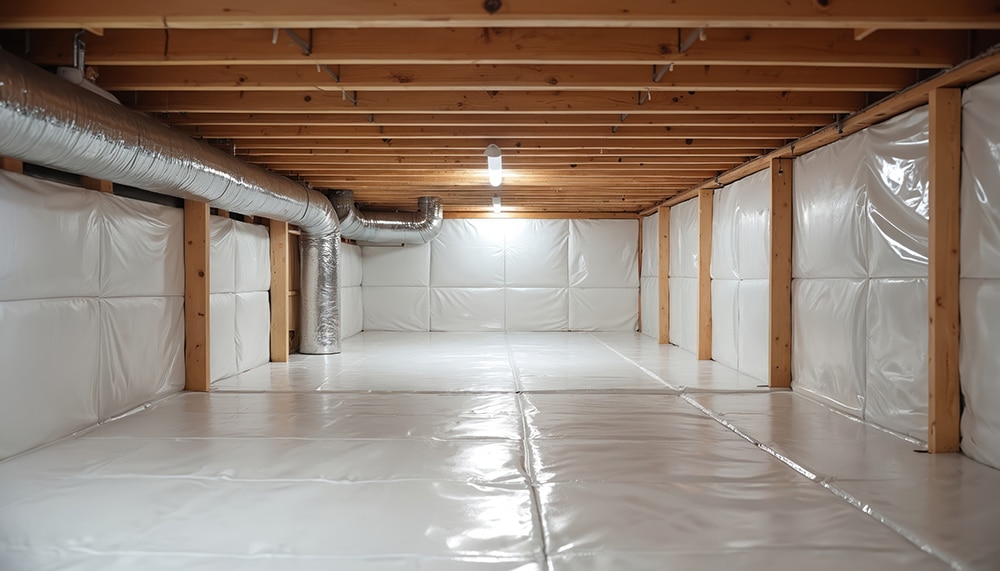
Your crawl space is out of sight, but it shouldn’t be out of mind. Many homeowners don’t think about what’s happening beneath their floors unless they experience problems like musty odors, high indoor humidity, pest infestations, or visible water damage.
A well-sealed crawl space prevents these issues before they start. Use this guide to recognize if your home is quietly at risk.
Why Seal Your Crawl Space?
Crawl spaces sit below ground level, which makes them naturally vulnerable to moisture, humidity, pests, and temperature fluctuations. Left unsealed, they can become a source of mold, structural damage, and poor indoor air quality.
Air from the crawl space doesn’t stay there; it rises into your living areas due to the stack effect. In other words, humidity, odors, mold spores that occur below can directly affect your comfort and health upstairs.
What to Expect From a Healthy Crawl Space
Your crawl space should be clean, dry, and intentionally controlled. Encapsulation is foundational when paired with:
- A continuous vapor barrier covering the crawl space floor and extending up the walls, sealed at the seams and edges
- Closed and sealed vents that prevent outside air and moisture from entering
- No standing water or damp soil beneath your home
- Controlled humidity levels, often maintained with a professional dehumidifier
- Sealed gaps and penetrations around pipes, wiring, and access points
- Intact insulation with no signs of mold, sagging, or pest damage
- Drainage solutions such as French drains, sump pumps, or exterior grading to stop moisture at its source
Preventive Crawl Space Care Is Worth the Investment
Sealing the crawl space is a protective measure for your home. It may feel counterintuitive to invest in an area of your home you rarely see, but the benefits are far-reaching.