Do I Need a Dehumidifier in My Crawl Space?
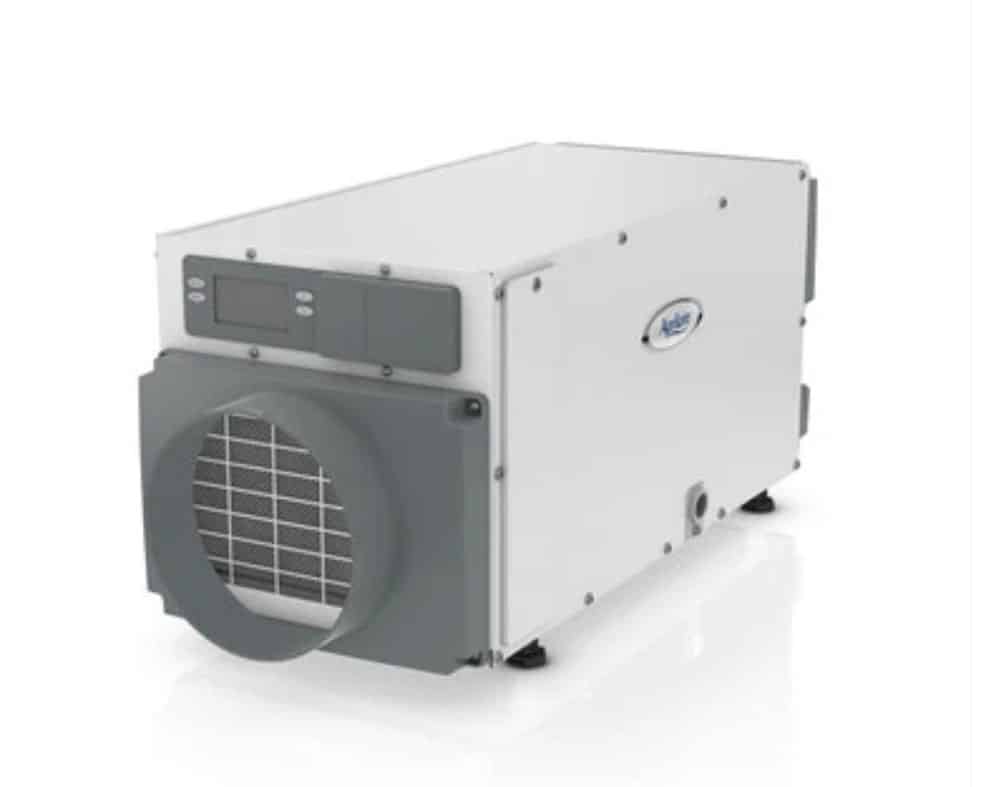
Have you ever noticed musty smells, damp air, or rising humidity in your home? Excess moisture in your crawl space could be to blame. A dehumidifier can be a critical part of the solution, but it works best as part of a complete moisture control system, not a stand-alone fix. Let’s break down the issues associated with uncontrolled crawl space humidity and when a dehumidifier makes sense.
Why Humidity Is a Bigger Problem Than You Think
Many homeowners ask the same question: “Why do I need a dehumidifier in a part of my house I rarely visit?”
A general rule of thumb is that indoor humidity levels should remain between 30% and 50%. Humidity that creeps above this range can create the perfect environment for problems to develop.
- Mold and mildew growth
- Dust mites and allergens
- Wood rot and structural damage
- Increased energy bills
- Health issues like sinus irritation and nosebleeds
Why Crawl Spaces Are Naturally Humid
Crawl spaces are especially prone to humidity because they sit directly above the ground and are vulnerable to outdoor conditions.
Even during a dry spell, moisture can enter your crawl space from:
- Morning fog and dew
- Rain and thunderstorms
- Warm, humid outdoor air
- Ground moisture evaporating from soil
- Small plumbing leaks or condensation
Additionally, due to a phenomenon called the stack effect, moisture in your crawl space will rise into your living space, affecting air quality throughout your house.
Why Ventilation Alone Doesn’t Work
A common misconception is that adding more vents or fans will solve crawl space humidity. While this approach may sound logical, it often backfires in humid climates. Outdoor air typically carries more moisture than the air inside your crawl space, so ventilation ends up feeding the problem instead of solving it.
Some people also make the mistake of assuming their HVAC system will manage crawl space moisture. While AC units remove some humidity, they aren’t capable of controlling conditions in an enclosed, unconditioned space. You’ll eventually end up overworking your system, driving up energy costs, and leaving humidity unmanaged whenever you don’t run your air conditioner.
When Dehumidifiers Help and Fall Short
A crawl space dehumidifier is one of the most effective tools for reducing excess moisture and creating a healthier home. It’s a worthwhile investment if you notice musty odors, high indoor humidity, condensation on pipes, mold growth, worsening allergies, or warping floors.
However, remember that a dehumidifier treats the symptoms, not the source. If moisture continues entering the crawl space, the unit will run constantly and may never fully resolve the issue. Long-term control usually requires a comprehensive, customized system that includes encapsulation, a high-quality vapor barrier, drainage solutions, and air sealing. Your dehumidifier will become far more effective when these components work together.
Furthermore, if you have standing water or flooding, any humidity control measures you take will be ineffective until you remove the water. Issues like groundwater pressure, poor grading, leaking pipes, or foundation seepage require drainage solutions such as French drains and sump pumps.
Resolve Your Crawl Space Humidity Issues Today
Every home is different. Soil conditions, climate, drainage, and construction all affect how moisture behaves in your crawl space. That’s why it’s vital to look at the full picture instead of relying on a single fix.
Crawl Space Ninja takes a comprehensive approach to moisture control. We’ll evaluate your situation and design a solution tailored specifically to improve your indoor air quality, protect your home’s structure, and make your entire living environment more comfortable. Contact our experts to schedule an inspection and find out what your crawl space really needs.