
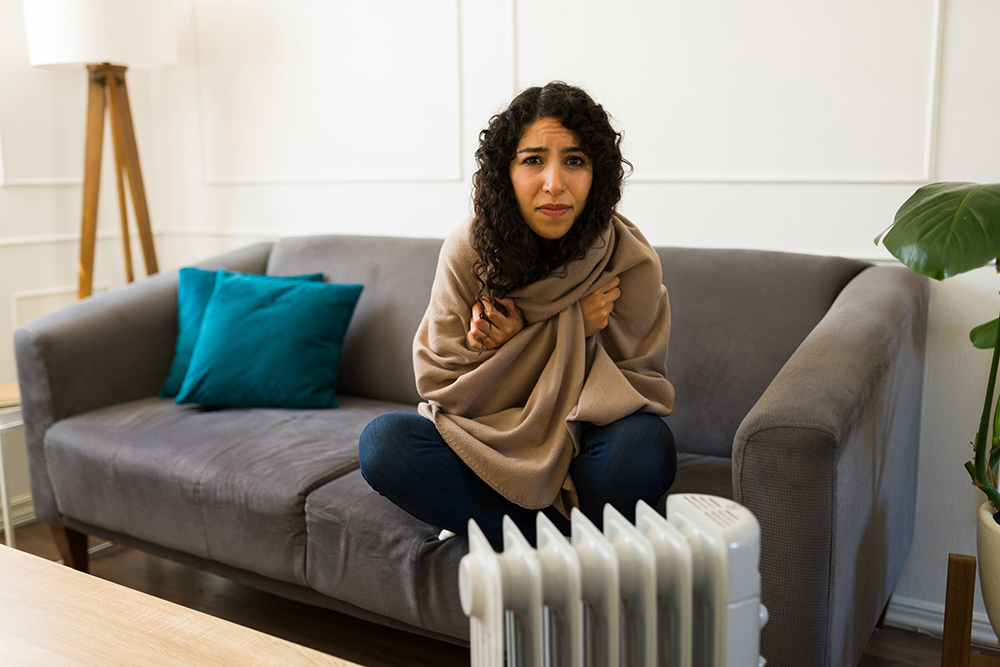
Do your floors still feel uncomfortably cold even when your heat is running? It’s not your imagination. Cold floors are a perennial winter complaint among homeowners, and they’re often a sign of more extensive problems. While your heating system might be your prime suspect, don’t overlook the crawl space issues that can hide underfoot.
Why Cold Floors Are a Winter Warning Sign
Warm indoor air naturally rises, while cold air sinks. During winter, unsealed and poorly insulated crawl spaces allow cold air from outdoors to settle beneath your floors. Even if you bump up your thermostat setting by several degrees, heat loss creates a persistent chill that no adjustments can fix.
Several crawl space conditions contribute directly to cold flooring.
- Missing or damaged insulation: When old, wet, or improperly installed insulation inevitably fails, it allows cold air to move freely into the floor system above.
- Open vents or air leaks: Traditional crawl space vents allow cold winter air to blow directly beneath your home. Gaps around plumbing, wiring, or access doors worsen the problem.
- High humidity and condensation: Moisture reduces insulation effectiveness and makes materials feel colder. Damp air beneath your home intensifies heat loss.
- Unsealed crawl space floors and walls: Bare soil and exposed foundation walls can absorb heat from your home.
Why Turning up the Heat Doesn’t Help
When cold air is constantly present in your crawl space, it will force your HVAC system to work overtime to maintain indoor temperatures, leading to:
- Higher energy bills
- Uneven temperatures between rooms
- Drafts near floors and baseboards
- Shorter HVAC system lifespan
If you fail to address the crawl space, you’ll essentially keep heating the outdoors instead of keeping that warmth inside where you want it.
Other Cold-Home Issues Linked to Crawl Space Problems
Cold floors often come with other winter discomforts, including:
- Rooms that never reach your desired temperature
- Condensation on windows or pipes
- Dry, uncomfortable air upstairs
- Increased humidity downstairs
- Musty odors that become more noticeable in cold weather
These issues all point to poor air control and insulation below your home.
How Crawl Space Improvements Restore Comfort
A properly maintained crawl space creates a thermal buffer between your home and the cold ground beneath it.
Together, the following improvements lead to warmer floors, more consistent temperatures, and lower energy costs.
- Encapsulation: Sealing the crawl space blocks cold air, moisture, and drafts, creating a more stable environment.
- Insulation upgrades: Proper insulation along crawl space walls and floors helps retain heat where it belongs – inside your home.
- Air sealing: Closing gaps and leaks prevents cold air infiltration and reduces heat loss.
- Humidity control: Dehumidifiers keep moisture levels in check, boosting insulation’s performance.
Why Winter Is the Best Time to Fix the Problem
Winter makes crawl space issues easier to identify. Cold floors, drafts, and uneven heating are obvious indicators that your home is losing heat from below. Addressing these problems now means immediate improvements, plus additional protection against moisture and mold when warmer weather returns.
If your floors are cold even when the heat is on, your crawl space deserves a closer look. Comfort problems rarely begin upstairs – they start underneath. Contact us to schedule a professional crawl space inspection and discover how sealing, insulating, and conditioning your crawl space can make your home warmer, healthier, and more energy-efficient all year round.