8 Signs Your Insulation May Be Failing
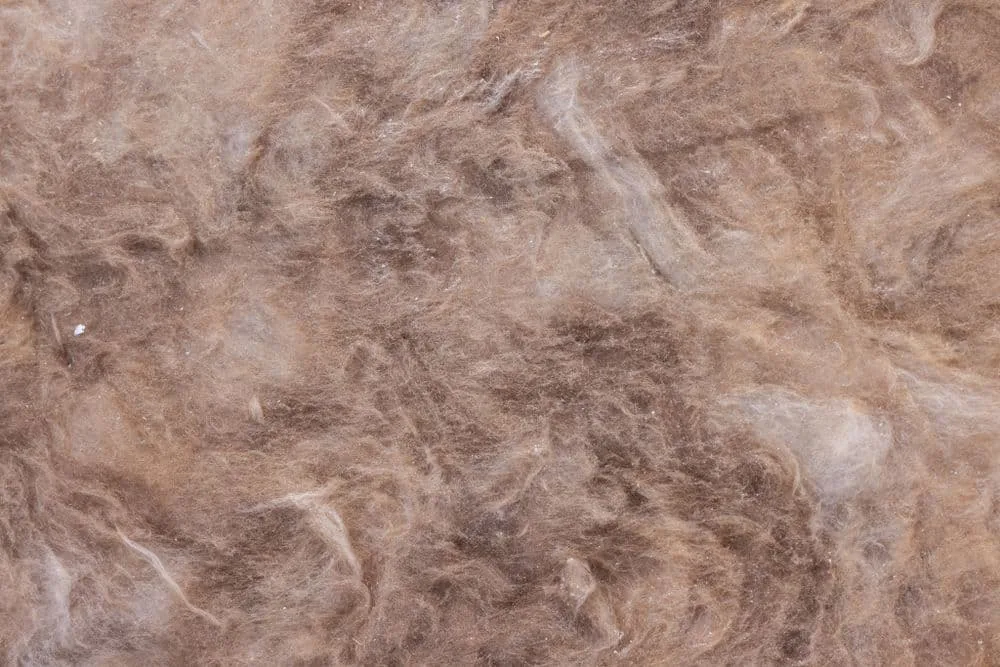
Summer is here, and many homeowners are bracing themselves for the higher costs of running their air conditioning for months. If your home feels harder to cool than it used to and your energy bills rise every year, your insulation may be the culprit.
Insulation is responsible for maintaining indoor comfort, controlling energy costs, and protecting your home from moisture-related damage. Unfortunately, insulating materials don’t last forever. They can become wet, compressed, damaged by pests, or lose effectiveness due to age.
If you pay attention and know what to look for, your home will often warn you about insulation problems before they become severe. Here are eight signs your insulation may be failing.
1. Your Energy Bills Keep Increasing
Unusually high utility costs are a typical sign of insulation problems. When insulation can no longer resist heat transfer, it forces your HVAC system to work harder to maintain comfortable indoor temperatures. During the summer, your air conditioner may cycle more frequently than it should.
If your utility bills continue increasing while your weather patterns and thermostat settings remain the same, failing insulation may be the problem.
2. Specific Rooms Are Always Hotter Than Others
Do some rooms feel like a sauna, no matter how low you set the thermostat? Uneven temperatures often indicate insulation gaps or deterioration. Heat can move into your home more easily when you have missing, compressed, or damaged insulation, creating hot spots and inconsistent comfort.
3. Your Air Conditioner Never Seems to Stop Running
During the summer, your HVAC system should regularly cycle on and off throughout the day. If it seems like your air conditioner is running constantly, your home may be struggling to hold conditioned air.
Poor insulation forces cooling systems to work harder because cool air escapes while heat enters. Over time, this increases wear and tear on HVAC equipment and can shorten its lifespan.
4. You Notice Wet, Sagging, or Fallen Insulation
Damaged insulation loses much of its R-value, or thermal resistance, and can create conditions that lead to mold growth and wood rot.
If you can safely access your crawl space or attic, a quick visual inspection may reveal obvious damage such as sagging, compression, or pulling away from surfaces.
5. Your Home Feels More Humid Than It Should
If your home feels sticky, clammy, or difficult to cool, insulation may be part of the issue. Damaged insulation can make it easier for warm, humid air to enter the home. At the same time, moisture problems in crawl spaces and attics can damage insulation and reduce its effectiveness.
6. You Notice Musty Odors
Many homeowners first notice unpleasant, lingering odors before they discover visible signs of moisture damage.
A persistent musty smell often signifies that moisture is present somewhere it shouldn’t be. Damp insulation creates the ideal conditions for mold and mildew growth, wood rot, and poor indoor air quality.
7. You’ve Had Pest Problems
Rodents, insects, and other pests frequently make their nests in insulation, tearing it apart and leaving their waste behind. It’s worth inspecting your insulation for damage even after you’ve dealt with the pest situation.
8. Your Home Is Dustier Than Usual
Excessive dust sometimes indicates insulation problems. Particles may break off damaged insulation and enter your ductwork, where they’ll circulate throughout your home. Wet insulation can also contribute to mold spores, allergens, and other airborne contaminants.
If you clean your house frequently and still struggle with indoor air quality, it may be worth checking your insulation.
Areas You Can Safely Inspect Yourself
While some insulation issues require professional evaluation, homeowners can often spot early warning signs during a simple visual inspection. If you discover any of these problems, you’d be wise to determine why your insulation failed before replacing it.
In the Attic
Look for:
- Compressed insulation
- Bare spots
- Discoloration
- Signs of moisture
- Evidence of pest activity
In the Crawl Space
Look for:
- Sagging insulation
- Wet insulation
- Missing sections
- Mold growth
- Excess humidity or condensation
Don’t Let Minor Problems Escalate
Don’t make the mistake of replacing damaged insulation without addressing the root cause. If moisture, humidity, drainage issues, or pest activity remain unresolved, new insulation can quickly develop the same problems. Long-term solutions often involve correcting the systemic issues that caused the damage in the first place, including moisture, humidity, airflow, drainage, or pests.
Instead of merely replacing old, ineffective insulation, Crawl Space Ninja takes a whole-home approach, identifying what caused the problem and recommending solutions that may include:
- Crawl space encapsulation
- Humidity control
- Yard drainage improvements
- Duct sealing
- Insulation replacement
Summer is one of the easiest times to notice insulation problems based on warning signs like rising energy bills, uneven temperatures, humidity issues, and musty odors. The sooner you identify that your insulation is no longer doing its job, the easier it is to protect your comfort, indoor air quality, and energy efficiency.
If you suspect your insulation may be failing, contact us for a professional inspection and personalized recommendations to keep your home comfortable all season long.