
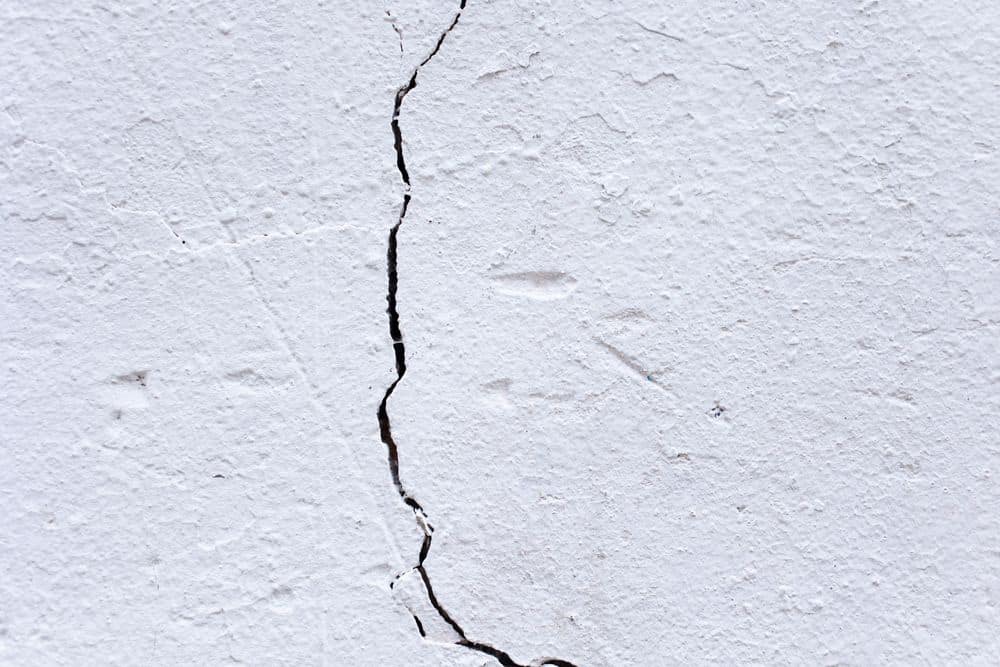
Is a crack in your foundation the result of your home settling over time, or is it a warning sign of a more serious structural problem? Some foundation cracks are relatively minor, while others may indicate ongoing movement, excessive soil pressure, or moisture issues that require professional attention.
In many cases, the crack isn’t the primary concern – it’s a symptom of various conditions affecting your home’s foundation. Understanding what the cracks are telling you gives you the runway to repair them.
Why Do Foundation Walls Crack?
Concrete is durable, but it isn’t immune to stress. Over time, your home’s foundation constantly responds to changes in the environment around it. As soil expands, contracts, shifts, or becomes saturated with water, it places pressure on your foundation walls.
Common causes of foundation cracks include:
- Natural settling as a home ages
- Shifting or expansive soils
- Poor grading around the home
- Standing water near the foundation
- Hydrostatic pressure from saturated soil
- Seasonal temperature changes
- Excessive crawl space moisture
What Different Types of Cracks May Be Telling You
The location, direction, and size of a crack can provide valuable clues about what’s happening beneath your home.
Vertical Cracks
Vertical cracks often develop as concrete cures or a home settles over time. While many are relatively minor, you should still monitor them for changes. If a vertical crack begins widening or allows water to enter your crawl space or basement, it’s time to have it professionally evaluated.
Horizontal Cracks
Horizontal cracks are generally more concerning. They develop when saturated soil presses against foundation walls, creating hydrostatic pressure. Over time, this pressure can cause walls to bow inward or weaken structurally.
Stairstep Cracks
Stairstep cracks commonly appear in masonry block or brick foundations, often indicating uneven settlement or shifting soil beneath the home. While they don’t always require major repairs, they can signal ongoing movement that you should have investigated before it worsens.
Multiple or Growing Cracks
One isolated crack isn’t necessarily cause for alarm. However, your foundation may still be moving if you notice several new cracks, existing cracks that widen, or cracks that spread with time. Continued movement increases the likelihood that you’ll eventually need additional structural repairs.
Don’t Evaluate a Crack by Itself
Many homeowners see foundation cracks as a cosmetic concern, not the warning sign of a bigger problem. As foundation repair specialists, we look at the entire home because structural problems rarely occur in isolation.
When several of these symptoms appear together, they often point to an underlying structural issue rather than a superficial defect.
- Sticking doors or windows
- Cracks in drywall
- Sloping or bouncy floors
- Gaps around trim or molding
- Bowing foundation walls
- Water intrusion
- Excess humidity in the crawl space
Moisture Is Often the Real Culprit
Many foundation problems begin with water. Inadequate drainage around your home allows water to collect near the foundation, increasing pressure on foundation walls and changing how the surrounding soil behaves.
These conditions can contribute to settlement, cracking, and structural movement. That’s why successful foundation repair often involves solutions such as improving yard drainage and controlling humidity in the crawl space.
Products like concrete fillers, sealants, and patching compounds may improve the appearance of a crack, but they don’t address the forces that caused it. If soil movement, drainage problems, or hydrostatic pressure continue, new cracks may develop or existing ones may reopen. Treating the symptoms without addressing the root cause often leads to recurring problems.
What Happens During a Professional Foundation Inspection?
A professional inspection goes far beyond measuring the crack. Foundation specialists evaluate the entire structural system, including:
- Foundation walls
- Settlement patterns
- Soil conditions
- Drainage around the home
- Crawl space moisture
- Floor joists and beams
- Support posts
- Signs of hydrostatic pressure
- Water intrusion
This comprehensive approach determines whether a crack is primarily cosmetic or part of a larger structural concern.
Why Crawl Space Ninja Takes a Whole-System Approach
Crawl Space Ninja understands that foundation cracks rarely occur without a reason. Besides repairing visible damage, we evaluate the conditions contributing to the problem. Depending on your home’s needs, they may recommend foundation crack repair, structural reinforcement, crawl space encapsulation, drainage improvements, dehumidification, or other solutions designed to stabilize your home and reduce the likelihood of future movement.
We help homeowners protect one of their most valuable investments by looking at how the soil, moisture, framing, drainage, and foundation all work together.
Prevent a Bigger Repair Tomorrow
Not every crack in your foundation signals a structural emergency, but they all deserve attention. Monitoring changes, recognizing accompanying warning signs, and understanding what may have caused the damage gives you the opportunity to address problems before they become more extensive and expensive.
If you’ve noticed cracks in your foundation walls, don’t settle for a cosmetic repair without understanding what’s happening beneath the surface. Contact Crawl Space Ninja to schedule a professional foundation inspection and get answers you can trust. By identifying the root cause – not just the visible symptom – you can make informed decisions that protect your home’s safety, stability, and long-term value.