The Hidden Link Between Crawl Space Moisture and HVAC Performance
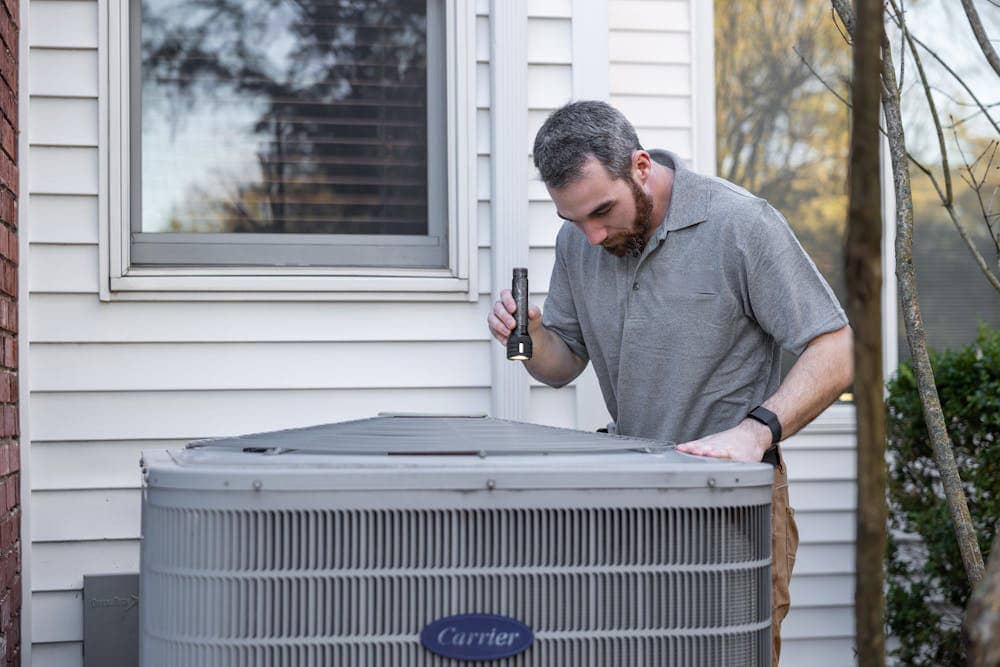
Your HVAC system is one of the most expensive investments in your home. It keeps you comfortable year-round, regulates indoor air quality, and protects your home from extreme temperatures. But many homeowners don’t realize the condition of their crawl space can significantly impact how well their HVAC system performs – and how long it lasts.
Moisture, air leaks, and insulation problems beneath your home can quietly force your HVAC equipment to work harder than it should, leading to higher energy bills and premature wear.
How Crawl Space Conditions Affect Your HVAC System
Your home’s crawl space, ductwork, insulation, and HVAC equipment all work together as an integrated unit. When one part falls short, the rest must compensate to keep up.
Your HVAC system may struggle to maintain consistent temperatures and humidity levels if your crawl space is damp, poorly sealed, or improperly insulated.
Humidity Forces Your HVAC to Work Overtime
Excess moisture in a crawl space raises indoor humidity levels. Even if your thermostat reads a comfortable temperature, humid air feels warmer in summer and cooler in winter, causing your HVAC system to run longer cycles to achieve comfort.
High humidity can also:
- Increase strain on your AC
- Reduce cooling efficiency
- Cause condensation to form on ducts and equipment
- Contribute to mold growth near HVAC components
Over time, this extra workload can shorten the lifespan of HVAC compressors, blowers, and other critical parts.
Air Leaks Reduce Efficiency
Unsealed crawl spaces allow outdoor air to enter beneath your home. That air will seep you’re your living areas through gaps and ductwork, forcing your HVAC system to constantly adjust for temperature changes.
Leaky or uninsulated ductwork running through a crawl space can lose significant amounts of conditioned air before it ever reaches your rooms. Then, your heating and cooling equipment will work harder to deliver the same level of comfort.
The result is:
- Higher energy bills
- Uneven heating and cooling
- Longer run times
- Increased wear on mechanical components
Insulation Problems Impact System Performance
Insulation in your crawl space helps maintain stable temperatures. When insulation becomes damp, compressed, or damaged, it loses effectiveness.
Without proper insulation:
- Cold air penetrates floors in winter
- Heat transfers more easily in summer
- Temperature swings become more extreme
- Your HVAC system cycles more frequently
Frequent cycling and extended run times accelerate wear on motors and moving parts, potentially reducing the life of your equipment.
Protecting Your HVAC Investment Matters
Most homeowners want their air conditioning and heating equipment to last as long as possible and perform efficiently without unexpected breakdowns. The best way to achieve that goal is to ensure your crawl space works in tandem with your HVAC system instead of struggling against it.
By maintaining a dry, sealed crawl space, you will:
- Reduce system strain
- Improve airflow consistency
- Maintain balanced humidity
- Extend equipment lifespan
- Lower energy consumption
Crawl Space Solutions That Improve HVAC Performance
Homes with well-maintained crawl spaces have dramatically improved efficiency.
- Encapsulation: Sealing the crawl space prevents outdoor air and moisture from affecting ductwork and equipment.
- Dehumidification: Maintaining balanced humidity levels reduces condensation and system strain.
- Duct sealing and insulation: Sealing gaps in your ductwork prevents air loss and energy waste.
- Air sealing: Closing gaps and penetrations limits uncontrolled air movement throughout your home.
Why Homeowners Trust Crawl Space Ninja
Crawl Space Ninja eliminates water, fixes foundation cracks, and upgrades insulation to create an environment that supports – not stresses – your HVAC system. With professional assessments and long-term solutions backed by an exclusive limited lifetime warranty, we protect your home and your comfort investment.
If your HVAC system seems to run constantly or your energy bills keep climbing, the problem may be beneath your feet. Contact us today to schedule an inspection and discover how improving your crawl space can improve your HVAC performance.