When to Address Structural Concerns Instead of Ignoring Them
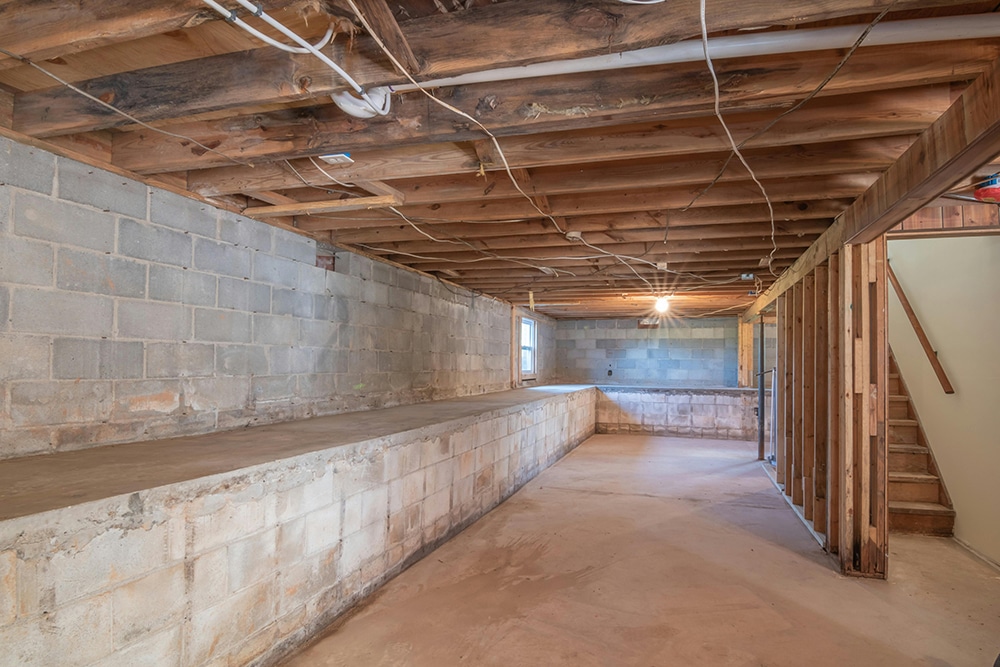
It’s easy to dismiss small changes in your home as typical signs of aging. A floor that feels slightly uneven, a door that sticks, or a faint musty smell may not seem urgent at first. But when you ignore structural concerns – especially those that originate in your crawl space – they often grow into far more serious and expensive problems.
Knowing when to act can make the difference between a manageable repair and a major structural overhaul.
Why You Shouldn’t Overlook Structural Problems
Structural issues rarely announce themselves all at once. In many homes, damage begins below the floor, out of sight, where moisture, soil movement, or pests quietly weaken crucial support components. Unless you regularly visit your crawl space, you may not realize you have a problem until the effects show up elsewhere in your house.
By the time cracks appear in your drywall or floors begin to sag noticeably, the underlying issue has usually progressed for some time.
Signs It’s Time to Take Structural Concerns Seriously
While some cosmetic changes are harmless, other warning signs deserve immediate attention. These include uneven or sloping floors, recurring cracks in walls or ceilings, doors and windows that no longer open or close properly, or persistent moisture and unpleasant odors. Soft or “bouncy” floors can also indicate weakened joists or wood rot caused by prolonged humidity.
These symptoms often point to deeper problems such as foundation settling, compromised floor joists, or moisture-related decay – all issues that become more complex if left untreated.
Why Waiting Can Make Things Worse
Structural problems don’t stay static. Moisture continues to spread, wood continues to weaken, and soil continues to shift. Over time, this can lead to extensive damage to floor joists, subflooring, and even foundation walls.
In addition to higher repair costs, unresolved structural issues can reduce your home’s value, complicate future sales, and create safety concerns for your family.