The Crawl Space Problem Most Homeowners Overlook
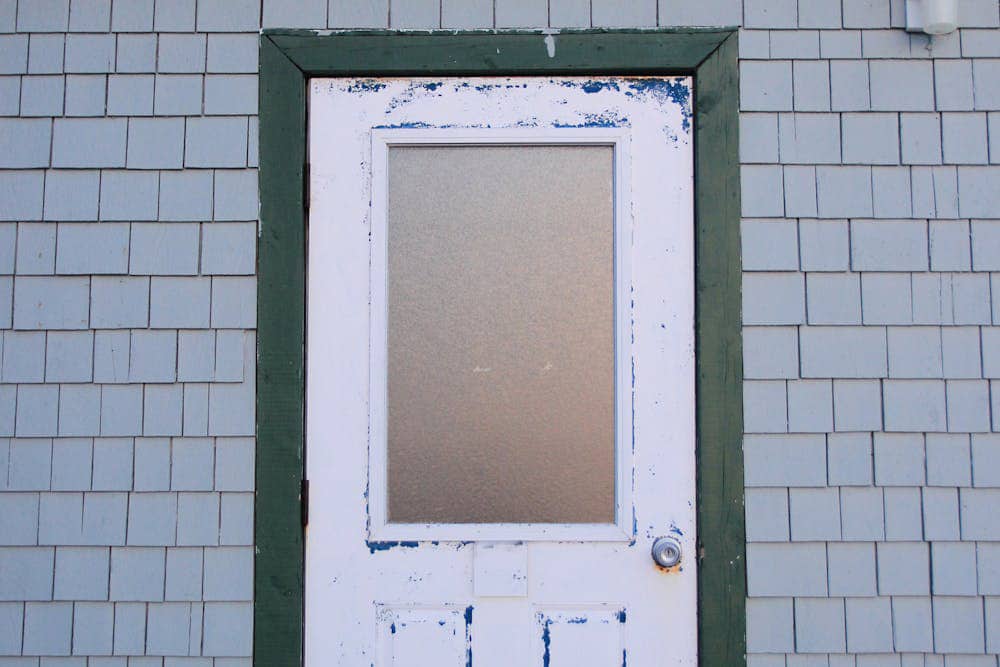
If homeowners think about crawl space maintenance, they usually focus on issues like mold, standing water, insulation, or foundation damage. They often ignore the door to their crawl spaces, even though damage here can undermine every other improvement made beneath their homes.
The crawl space door may not seem important at first glance, but it’s one of the most critical barriers between your home and the outside environment. If it’s damaged, poorly sealed, or improperly installed, it can allow moisture, pests, and unconditioned air to enter and create problems that spread upward.
Why Crawl Space Doors Matter More Than You Think
Your crawl space should protect your home’s structure, starting with the foundation and continuing with the plumbing pipes and ductwork. But that protection is only as effective as the method used to seal the space from outdoor conditions. In many homes, the crawl space door is the weak point that makes everything inside more vulnerable.
A poorly functioning door can:
- Allow humid air and rainwater into the crawl space
- Create openings for pests and rodents
- Reduce energy efficiency
- Compromise encapsulation systems
- Contribute to mold and wood rot
Even a small gap or warped section can create long-term moisture problems.
Moisture Intrusion Starts Small
Moisture intrusion is the biggest danger associated with a failing crawl space door. Wooden doors are vulnerable to warping, rotting, cracking, and separating around the edges, especially with age.
Once gaps form, humid outdoor air and rainwater can enter the crawl space. Over time, this extra moisture raises humidity levels and creates the perfect conditions for mold growth, wood rot, damp insulation, and condensation forming on ductwork.
Spring and summer often worsen these problems because rising humidity and seasonal storms increase moisture exposure.
Pests Love Easy Access
Your crawl space naturally provides the dark, secluded environment pests love. A damaged or loosely sealed door gives intruders like rodents, termites, ants, and snakes an easy invitation inside. Once these unwelcome guests enter your crawl space, they can chew through wires, damage insulation, contaminate the area, and even affect indoor air quality.
Ineffective Crawl Space Doors Can Increase Energy Bills
Most homeowners don’t realize that crawl space doors also affect HVAC efficiency. When outdoor air gets beneath your home, it creates temperature fluctuations that force your heating and cooling equipment to work harder, which can lead to cold floors in winter, high humidity in summer, increased energy bills, and uneven temperatures throughout your house.
Even if you’ve had your crawl space professionally insulated or encapsulated, a poorly sealed door can allow conditioned air to escape and humid air to enter.
Why This Matters for Encapsulated Crawl Spaces
Encapsulation systems should create a clean, dry, controlled environment beneath your home. But even the highest-quality solution can’t perform properly if the crawl space door doesn’t seal tightly.
Ideally, your crawl space should function as a cohesive system. However, if the door is a weak point that allows outside air and moisture inside, it can compromise your HVAC efficiency and indoor air quality by leading to the conditions that cause humidity and air quality issues.
Signs It May Be Time to Replace Your Crawl Space Door
Many crawl space door problems are easy to overlook because homeowners rarely inspect closely. But even minor damage can lead to bigger problems over time.
Warning signs include:
- Visible rot, rust, or cracking
- Warping or sagging
- Water pooling near the entrance
- Pest activity around the opening
- A door that no longer closes flush
- Air gaps or visible light around the edges
What Makes a Quality Crawl Space Door?
A quality door should withstand moisture, temperature changes, and long-term exposure to the elements.
- Durable materials: Heavy-duty plastic or composite materials are often more resistant to rot and moisture than traditional wood.
- Airtight sealing: Proper weatherstripping or sealing gaskets block humidity, outside air, and pests.
- Secure fit: A well-designed door should close tightly and remain stable over time without sagging or shifting.
- Compatibility with encapsulation: The door should integrate seamlessly with your crawl space encapsulation and vapor barrier system.
Why Crawl Space Ninja Takes a Holistic Approach
Your crawl space door should work with your encapsulation system, not against it. Crawl Space Ninja understands that the goal of protecting a crawl space isn’t merely to fix one isolated issue. Every component – from drainage and insulation to vapor barriers and access doors – should work together to create a healthier home.
While some companies focus only on encapsulation or cleaning, we evaluate systematic performance throughout the entire crawl space system. That includes ensuring the door and other weak points don’t compromise the work we do elsewhere.
Sometimes the Smallest Problems Cause the Biggest Issues
If your crawl space still feels damp, musty, or inefficient despite other improvements you’ve made, the problem may be simpler than you think.
While you focus on cleaning and home maintenance upgrades this spring, don’t overlook the barrier that protects everything beneath your home. Contact us today to schedule an inspection and make sure your entire crawl space – including the door – works as it should.