Should I Encapsulate My Crawl Space?
Will It Help to do Crawl Space Encapsulation? I get this question a lot. Before I answer that I’d like to explain what crawl space encapsulation means to me. Every company has a different definition or product they use to achieve the same goal when it comes to encapsulating a crawl space. The goal is a dry, clean, healthy and efficient crawl space.
My definition of crawl space encapsulation is
“A crawl space that controls water and humidity, while preventing wood rot fungus, mold, bugs infestation, animal intrusion and soil gases with proper insulation to ensure maximum energy efficiency.”
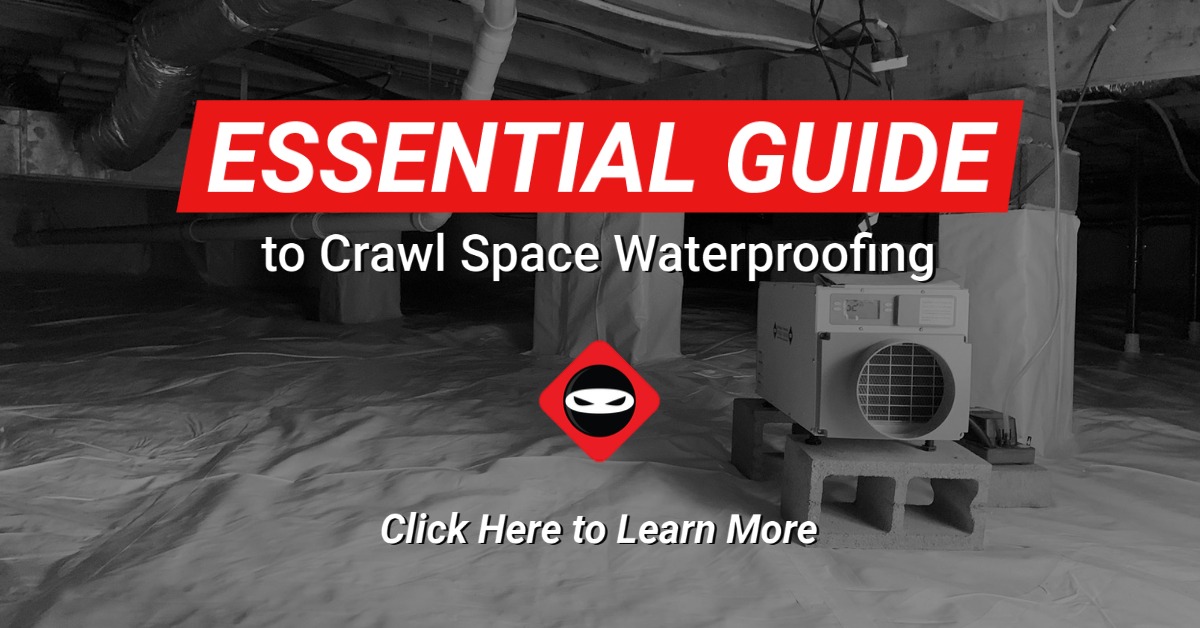
Controlling Water in a Crawl Space
Water intrusion happens from 4 areas in a crawl space. Crawl space repair can be done to fix active water intrusion from these areas. Sometimes it is also recommended to prevent potential future issues that could happen. The four areas of concern are:
- Ground water – this is typically addressed by a vapor barrier or plastic placed on the floor of the crawl space.
- Foundation water – this is water that enters the crawl space from the outside through the cinder block or concrete walls. This can be addressed in several ways on the inside and outside of the crawl space.
- Condensation – standing water from condensation occurs when warm air with high humidity hits a cold surface like air ducts, plumbing pipes, HVAC equipment and more. I will talk about humidity later but many times humidity creates visible water.
- Leaks from above – this can happen from plumbing issues, roof leaks, flashing problems and more.
When controlling water intrusion most people think of a sump pump and or french drain system. These are useful ways to redirect the water and are installed most of the time in a crawl space with standing water. Some home owners will even install a sump pump when there is no standing water. Why you ask? I have spoke with many home owners that experienced a flood in the kitchen, bathroom, attic, etc. and of course the crawl space flooded as a result.
Since they are extremely sensitive to the effects of water damage. They understand how difficult it can be to remove water from a flooded crawl space so they insist on installing a sump pump system to capture any potential flood water from water damage. If you have never lived through a catastrophe like your home flooding, you may decide installing a sump pump in crawl space that does not have standing water is a waste of resources.
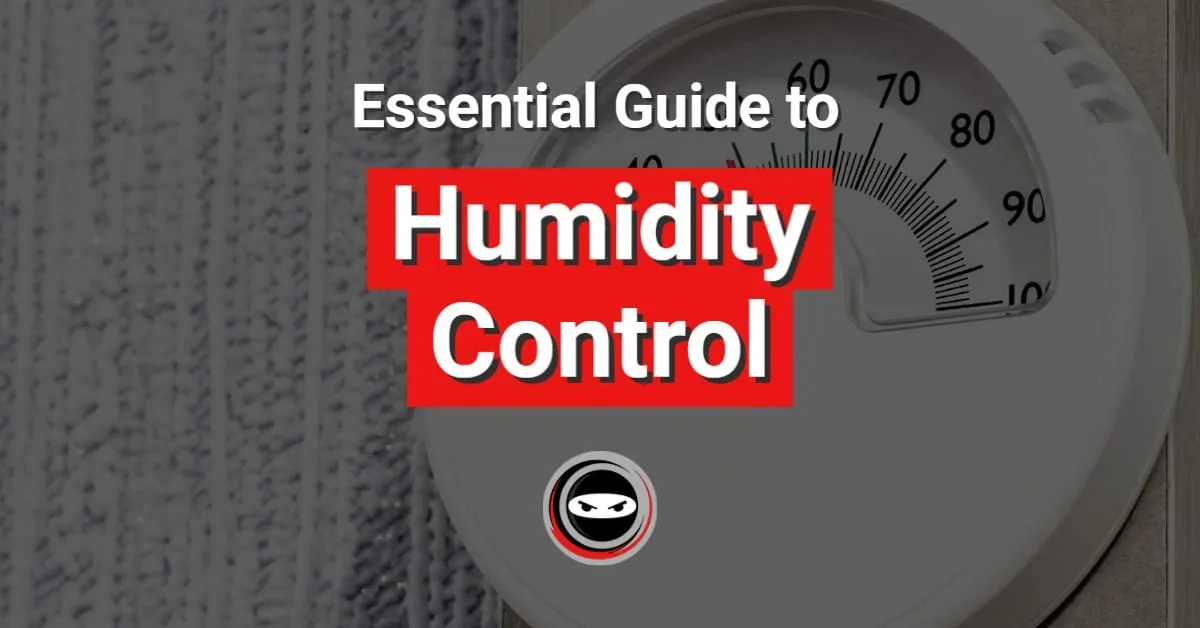
Controlling Humidity in a Crawl Space
The keyword here is “control” because there is a lot of opinions on how to do this. Some think a dehumidifier is the best way while others want to add more crawl space fans or condition the crawl space with the central heat and air conditioning system.
One thing is for sure, whatever method you choose make sure you monitor that method. If you add more crawl space vents don’t just take the word of the installer that your humidity is lower. Install a remote humidity reader or hygrometer to keep a daily check on the relative humidity in your crawl space. The same goes for a crawl space dehumidifier, crawl space fan or conditioning with an HVAC supply and return vent.
The best dehumidifier in the world can fail for many reasons. If you are unaware of the failure of the system you install, it may take months or even longer for you to know. A remote humidity reader is a great $50 investment to ensure peace of mind. You may decide to purchase one before doing any crawl space repair just to show yourself that the crawl space does need some work.
Determining the best way to control humidity in the crawl space is up for debate but I recommend closing the crawl space and installing an adequately sized dehumidifier with a filter and condensate pump. The Aprilaire 1830 is a great start but there are many great models available. Gravity fed condensation lines can be effective too but we see more build up in these lines versus a condensate pump. Plus many crawl spaces may not be high enough for gravity feed lines to be effective unless you have the dehumidifier draining directly into a sump pump basin.
Traditional vented crawlspaces have shown significant evidence of structural, mold, and pest problems. Crawl space vents are supposed to prevent moisture problems, based on the assumption that dry fresh air entering through vents on one side of the house would push out moist air on the other side. However, in humid climates, the air from outside is often more moist than the air in the crawl space…homes with closed crawl spaces used 15% to 18% less energy for heating and cooling. A closed crawl space is more energy efficient and one of the factors to this is the humidity is lower. Lower humidity, typically between 45% and 55%, is less tasking on the heat and air system. When humidity is controlled, the automatic result is more efficiency and this is true of a basement, house on slab or crawl space.
Mold and Wood Rot Fungus
Don’t all crawl spaces have this mold or wood rot fungus? The best answer is yes IF they are wet or have high humidity. If a crawl space is built from day one to control water and humidity there will be no mold or fungus. Unfortunately, most crawl spaces built today are built based on outdated code and building practices. With the introduction of more efficient heat and air systems comes a need for more moisture control in a crawl space.
Dew point is the cause of many moisture problems. When the dew point of an object is reached, that object gives off water vapor. Let’s look at a can of soda as a way to explain this phenomenon. If you keep your soda in the pantry and drink it at room temperature most likely the can doesn’t sweat. If you enjoy a cold soda it may sweat some as you carry it around your home. What happens if you take it outside on a hot day? It pours the water. The same happens when you have an HVAC system that runs really cold versus that 20-year old unit you got rid of last year.
What Next?
Do you need help with mold removal, crawl space encapsulation, crawl space insulation, vapor barrier, waterproofing, or controlling humidity in your crawl space and you live in Georgia, Delaware, North Carolina, South Carolina, Tennessee, Ohio, or Kentucky? If so, please contact us to schedule your assessment. Also, let us know in the comments below if you have an idea for a new blog topic.
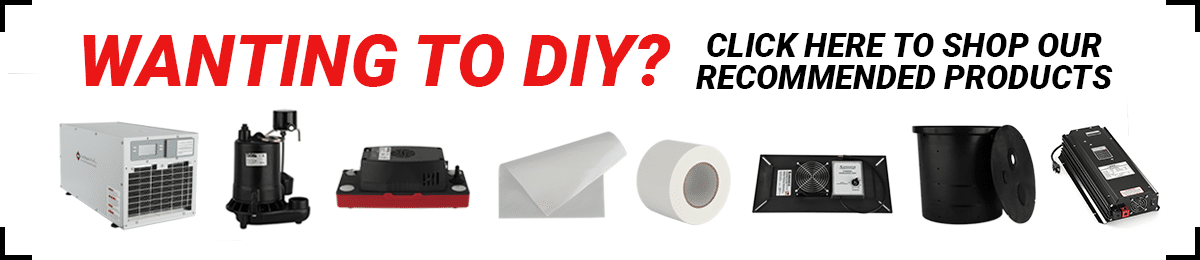
Perhaps you’d like to tackle your own crawl space repair. Visit our DIY Store.
Contact us if you need help fixing your crawl space or yard drainage by clicking here.
Learn about Crawl Space Ninja Franchise opportunities.